

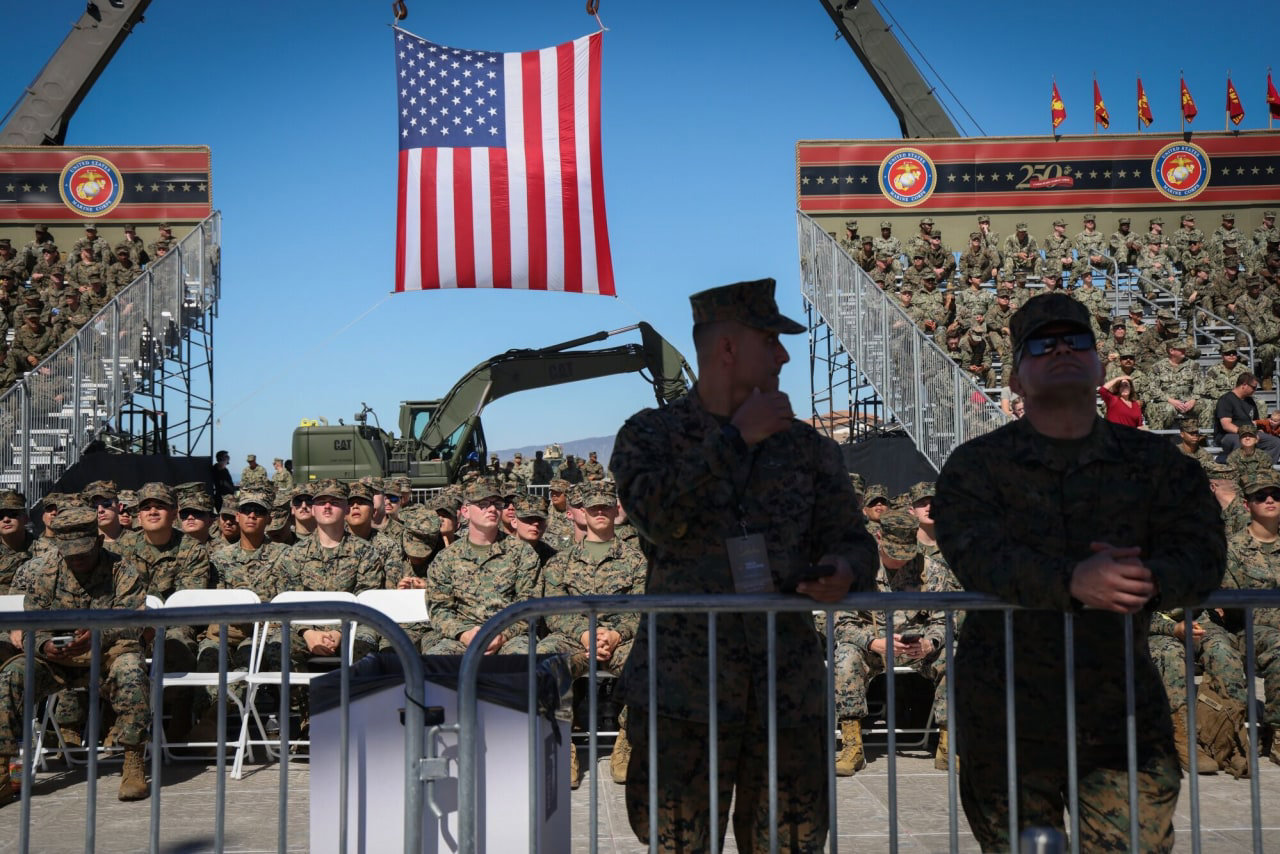
WASHINGTON — The Pentagon confirmed Friday that it will use a $130 million private donation from an anonymous “friend” of President Donald Trump to help pay U.S. military personnel during the ongoing government shutdown, an unprecedented move that immediately triggered bipartisan scrutiny and legal questions.
Pentagon spokesperson Sean Parnell told CNN that the donation was accepted under the department’s “general gift acceptance authority,” and that the donor specifically requested the funds be used to “offset the cost of service members’ salaries and benefits.”
However, the extraordinary decision to use private money to fund the military—traditionally financed solely through Congressional appropriations—has alarmed lawmakers and budget experts, who warn it could violate federal law and undermine civilian control of the armed forces.
“This raises deeply troubling questions about whether our troops are literally being bought and paid for by foreign powers,” said Sen. Chris Coons (D-Del.), the top Democrat on the Senate’s Defense Appropriations Subcommittee. “Using anonymous donations to fund the U.S. military is a dangerous precedent.”
The Pentagon has not disclosed the donor’s identity and referred all related inquiries to the White House, which has also declined to provide details. President Trump, speaking Thursday, described the contributor only as “a friend of mine” who wanted to help “cover military shortfalls” during the shutdown, adding, “He doesn’t really want the recognition.”
The $130 million sum is only a fraction of total military payroll needs, amounting to roughly $100 per active-duty service member among the 1.3 million troops currently serving.
Experts argue that the move likely breaches the Antideficiency Act, which forbids federal agencies from using unappropriated funds or accepting outside money to replace lapsed government funding. “The law is very clear,” said Bill Hoagland, a former Republican Senate budget aide now at the Bipartisan Policy Center. “They might be able to accept the gift, but they cannot use it to pay salaries. This is not legally defensible.”
Critics also questioned whether the gift acceptance statute cited by the Defense Department applies to military payroll at all. Historically, the authority has been limited to donations for military schools, hospitals, cemeteries, or programs for wounded veterans and their families — not general salary payments.
The revelation comes as the shutdown enters its fourth week, with hundreds of thousands of civilian and military workers affected. While Trump has insisted that “troops will be taken care of,” the use of a private donation to meet payroll marks a radical break from precedent and blurs long-standing boundaries between public funding and private influence in U.S. defense operations.
Congressional committees from both parties said Friday they are seeking urgent clarification from the Defense Department on the legality of the transaction, the donor’s background, and the decision-making process behind accepting such a large and politically charged gift.
For now, the Pentagon has described the contribution simply as an “anonymous donation,” offering no assurance that Congress—or the public—will learn who effectively financed part of America’s military payroll during the shutdown.