

Canada is preparing to host one of its most globally ambitious events in recent years, the G7 leaders summit in Kananaskis, Alberta. Under the leadership of Prime Minister Mark Carney, this year’s gathering will not only bring together leaders of the world’s largest advanced economies but also feature a broad and bold lineup of non-G7 invitees—each selected to reflect Canada’s evolving foreign policy agenda.
As host, Carney has full discretion to invite world leaders beyond the G7. Foreign Affairs Minister Anita Anand explained that the government chose participants based on their relevance to serious global challenges spanning economic stability, climate action, and international security.
Among the invitees is Australian Prime Minister Anthony Albanese, whose country shares Canada’s interest in preserving a rules-based trade system and collaborating on Arctic surveillance through radar partnerships. Brazil’s President Luiz Inácio Lula da Silva will also attend, bringing a strong focus on climate and democracy as he prepares for the COP30 summit in the Amazon. His participation underlines a mutual concern with Canada over global misinformation threats.
India’s Prime Minister Narendra Modi’s invitation is perhaps the most contentious. It comes as Canada continues to grapple with fallout from the assassination of Sikh leader Hardeep Singh Nijjar and allegations of Indian state involvement. Despite planned protests and diplomatic tensions, Carney is under pressure to engage India—the world’s largest democracy—on trade and security, while also addressing transnational repression.
Indonesia’s President Prabowo Subianto will represent another vital Indo-Pacific partner. Canada recently signed a free-trade agreement with Indonesia and is exploring opportunities to export small-scale nuclear technology to help electrify remote regions in both countries. Mexico’s newly elected President Claudia Sheinbaum will also attend after weeks of deliberation, possibly using the summit as a platform to engage in trilateral talks with the U.S. and Canada on trade and tariffs under CUSMA.
From South Korea, President Lee Jae-myung seeks to affirm his country’s democratic credentials after political instability and marshal deeper cooperation with Canada on gender equality, maritime security, and critical mineral development. South Korea, long aspiring to G7 membership, sees this summit as a major diplomatic opportunity ahead of its hosting of the APEC summit in November.
President Cyril Ramaphosa of South Africa, who is preparing to host the G20 later this year, will attend to bridge G7 priorities with the concerns of developing nations. Canada views his role as essential in ensuring that smaller summits feed meaningfully into broader global goals.
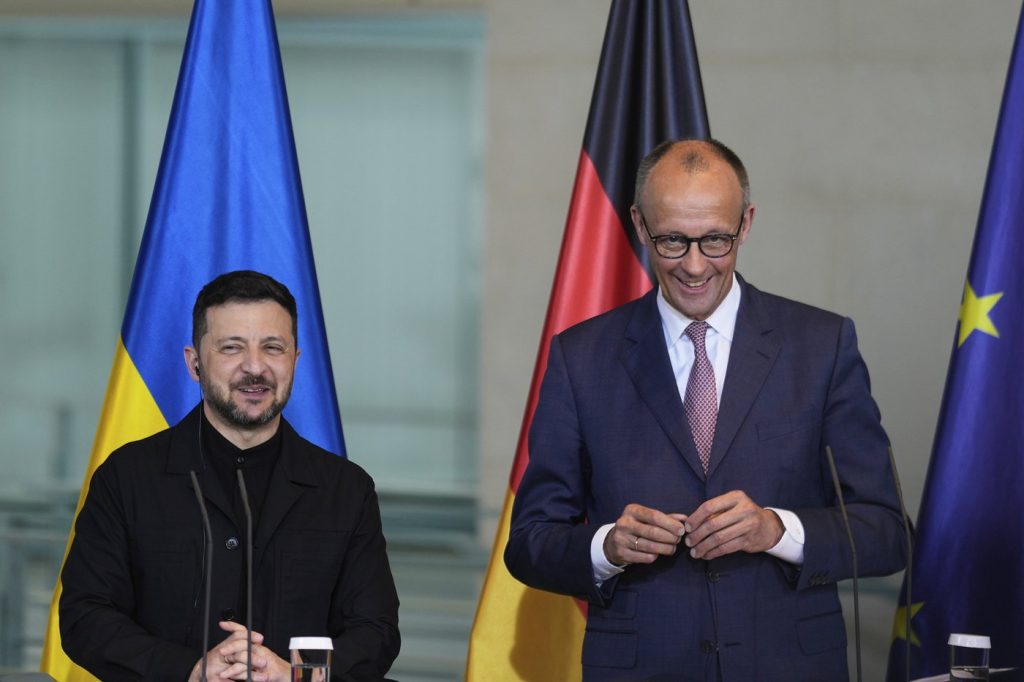
Ukrainian President Volodymyr Zelenskyy is also expected to be present, bringing a sharp focus on the war with Russia and concerns over Washington’s shifting stance. Canada has taken a leadership role in advocating for the seizure of Russian assets to fund Ukraine’s defense, a move that has gained some traction but limited results.
One of the more surprising names on Carney’s list is UAE President Sheikh Mohammed bin Zayed Al Nahyan. While the UAE has yet to confirm its attendance, Canada sees the country as a vital humanitarian partner. However, Ottawa faces criticism for its silence over allegations that the UAE supplied arms to Sudanese paramilitary forces accused of genocide. The UAE has denied these claims.
Notably absent from the list is Saudi Arabia. Though invited, Crown Prince Mohammed bin Salman has declined. Canada only recently restored diplomatic relations with Saudi Arabia, five years after tensions flared over human rights concerns. The CIA continues to assert that the Crown Prince ordered the assassination of journalist Jamal Khashoggi—an event that looms large over Saudi-Canadian relations, despite ongoing arms exports.
Canada’s summit may also include prominent leaders of global organizations such as NATO’s Secretary General Mark Rutte, World Bank President Ajay Banga, and representatives from the United Nations, World Trade Organization, and the OECD. The inclusion of these international voices underscores Carney’s strategy to make Canada’s G7 presidency a vehicle for inclusive, future-oriented diplomacy.
As the summit approaches, Canada’s expanded guest list speaks volumes about its aspirations to play a stronger role on the world stage—one where dialogue, even among the most uneasy of partners, is still the preferred path forward.