

A looming $342 million gap in Brampton’s budget could derail key community projects, and Mayor Patrick Brown says it’s up to the province to step in and fund the shortfall caused by Ontario’s new housing legislation.
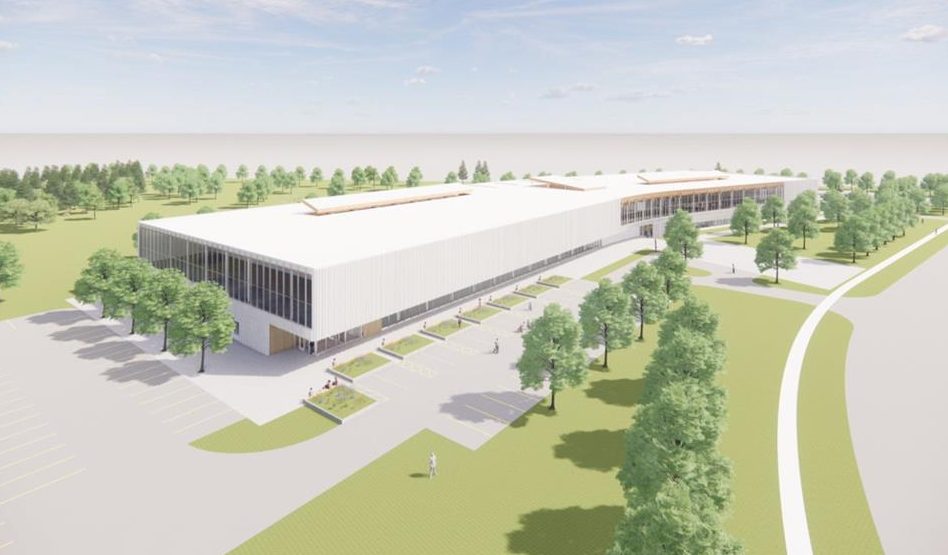
Brampton City Council warned this week that several important projects—including the Embelton Community Centre, the Goreway Drive widening, and the Victoria Park Arena redevelopment—are in jeopardy due to changes brought on by Ontario’s Bill 17, which received royal assent earlier this month.
The bill alters the timing of when municipalities receive development charges—one-time fees paid by developers to fund infrastructure like roads, sewers, and community centres. Instead of collecting these funds upfront at the application stage, cities like Brampton will now have to wait until occupancy permits are issued. According to city staff, this delay could trigger “significant near-term revenue shortfalls,” severely limiting Brampton’s ability to finance its $567 million capital program.
“This is financially reckless if there’s not a revenue source to replace the critical servicing that’s necessary,” Mayor Brown said during the council meeting on Wednesday. He emphasized that if the province wants to encourage rapid housing growth, it must also ensure municipalities aren’t left holding the financial bag.
City staff echoed this concern, stating that the change injects a level of uncertainty into long-term planning. “We won’t have certainty of what projects will get approved, and we won’t be able to really plan ahead,” they told council.
Councillor Michael Palleschi called on the province to provide “backstop” funding to cover the losses, while others warned that relying on property tax revenue to bridge the gap could lead to increased taxes for Brampton residents.
The financial stress doesn’t stop at the city level. A report heading to Peel Region Council this week estimates the region could face a deficit of up to $569 million by the end of 2027 as a result of the deferred development charges.
Councillor Rowena Santos stressed that the issue is about more than housing. “This is not just about building housing and incentivizing housing,” she said. “It’s also about building complete communities.” She urged local MPPs to consider what won’t get built for their constituents if the city doesn’t get the support it needs.
A city report estimates Brampton could lose between $84 million and $112 million in the first year alone due to the changes, followed by another $13 to $21 million annually. These figures have prompted a full review of Brampton’s capital funding plan for 2025, with officials warning that expected revenues “will not materialize.”
City officials also expressed concern that the province’s aggressive housing targets have placed a focus on quantity over quality, leading to long-term challenges in building livable, well-planned communities.
An update on Bill 17’s financial impacts is scheduled for review by the Region of Peel Council on Thursday.