

Despite growing visibility and a vibrant queer and trans community, many trans and non-binary residents in Peel Region continue to face significant barriers in accessing safe, affirming health care.
According to local service providers, trans-specific health services remain scarce, with only a few clinics in the region offering gender-affirming care—and even those are often at capacity. Many residents, especially youth, are routinely referred to clinics in Toronto or beyond, creating a healthcare landscape that feels distant and fragmented.
Michael Segbor, a health coordinator at Moyo Health and Community Services, describes the challenge as isolating. “When I’m offering clients to other organizations, it’s almost like I have to traverse a tundra — a large space that seems barren,” he said. The lack of local options, he noted, makes Peel feel like a region where trans people are still underserved and overlooked.
Rosalyn Forrester, a community health worker with the East Mississauga Community Health Centre, says that while training for trans-affirming care has been available to doctors since 2011, uptake remains limited. “Many trans residents still experience confusion, redirection, or outright rejection when they try to access care,” she said.
Only a few providers in the region currently offer gender-affirming services. The Queen Square Family Health Team in Brampton offers hormone therapy and surgical referrals but is now directing new patients to its partner clinic in Milton due to high demand. The East Mississauga Community Health Centre, part of LAMP CHC, includes trans individuals in its broader programming but does not provide trans-specific medical interventions.
For young people in particular, the barriers are steep. Tobias Evans-Hinostroza, a youth counsellor at Associated Youth Services of Peel, said trans youth face “a quantifiable lack of gender-affirming care close to where they live.” Public transportation presents another major hurdle. “For many clients, just getting to a clinic is a 90-minute trip each way,” they explained.
Stigma, too, remains a formidable obstacle. Forrester noted that negative narratives in right-wing media continue to spill into health-care spaces, making it harder for trans people to seek support without fear or judgment. “How do you stabilize yourself to be able to work, to be able to just live your life when you don’t have public support?” she asked.
The COVID-19 pandemic exacerbated these struggles, deepening isolation and changing how residents engage with already limited services. A 2019 Trans PULSE Canada survey revealed that while 81 per cent of trans and non-binary people had a primary care provider, nearly half reported at least one unmet health-care need in the previous year. Twelve per cent avoided the emergency room entirely due to fear of discrimination.
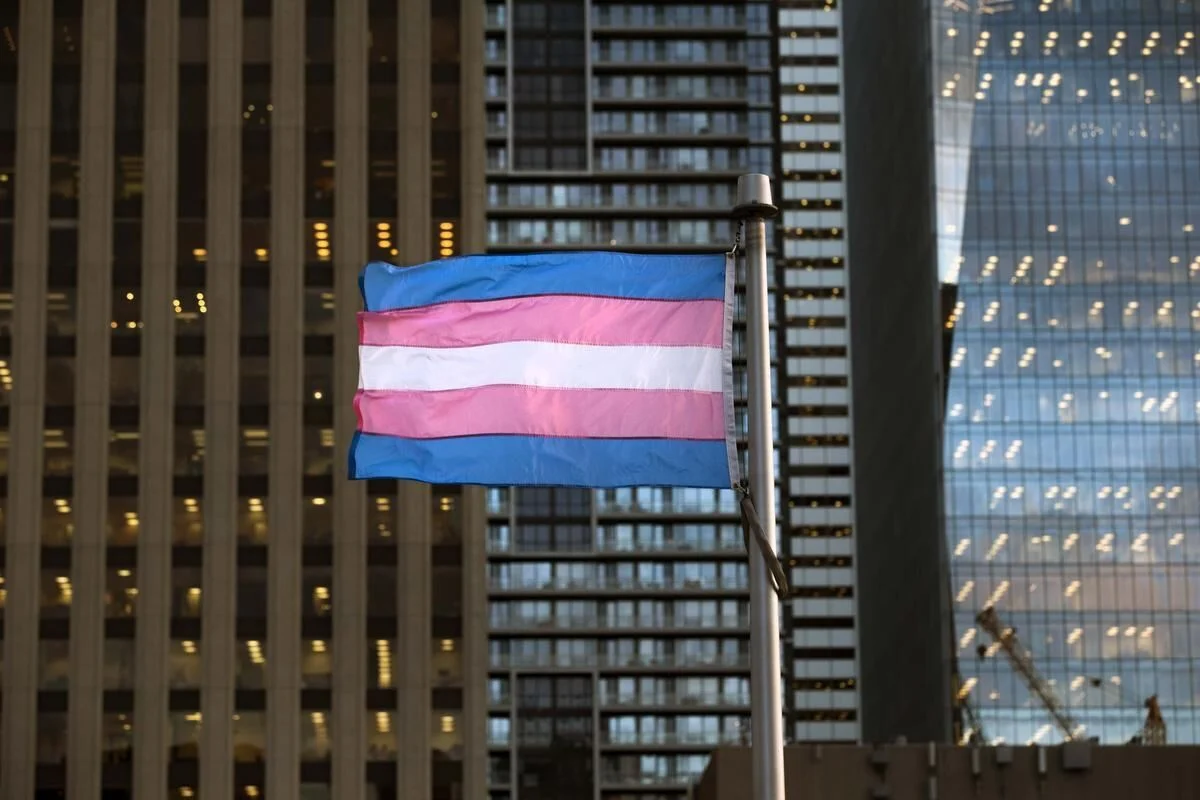
Even as Pride flags become more common in municipal spaces, systemic leadership and policy change remain elusive. Advocates say regional governments in Peel have not demonstrated consistent support for 2SLGBTQ+ issues, especially when compared to neighbouring municipalities.
“Folks are here,” said Evans-Hinostroza, “but it might not appear that way because there are so few spaces for people to be visible.”
Grassroots organizations continue to fill the gaps. Forrester recalled that even local Pride events often rely on self-funding. “Every year, we’re trying to figure out how we’re going to fund this,” she said.
As it stands, gender-affirming care in Peel is often left to the initiative of individual providers who have sought out training on their own. This patchwork system leaves many residents without reliable or comprehensive support.
What’s needed, service providers agree, is not just more clinics—but stronger integration between school boards, community organizations, and health-care systems, along with improved transit access, especially for youth. They also stress that all public services—not just medical ones—should be made more inclusive and reflective of the needs of trans people at every stage of life.
Forrester summed up the core issue simply: “We have a pretty big community here in Peel. People having to go outside to get access to health care doesn’t make sense to me — you should get health care where you live.”
Until that becomes a reality, service providers say, trans and non-binary people in Peel will continue to navigate a system that is still far from equitable.