

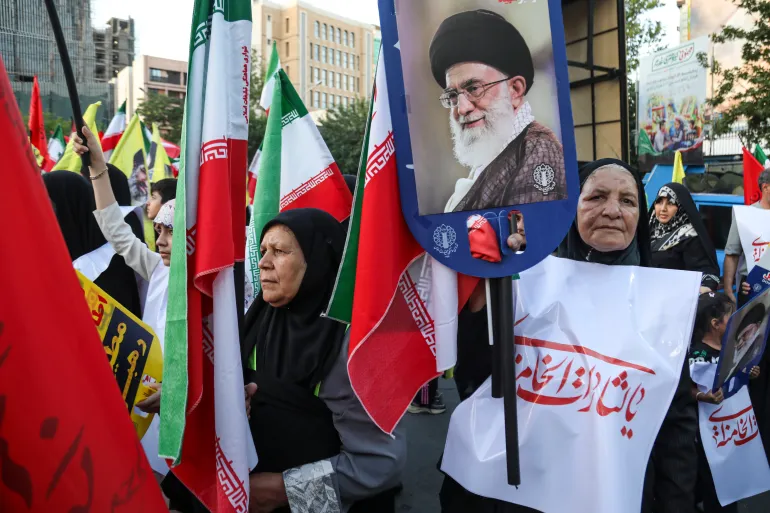
World leaders have welcomed the announcement of a tentative peace agreement between the United States and Iran, raising hopes that a conflict which has shaken the Middle East, disrupted global energy markets, and claimed thousands of lives may finally be drawing to a close.
The breakthrough came after months of intense diplomacy involving multiple regional and international actors. U.S. President Donald Trump confirmed that a framework agreement had been reached, paving the way for the reopening of the Strait of Hormuz and the gradual restoration of regional stability.
Iranian officials indicated that broader negotiations, including discussions on sanctions relief and long-term security arrangements, would continue during a proposed 60-day ceasefire period. The formal signing ceremony is expected to take place in Geneva on June 19.
The announcement triggered a wave of positive reactions from governments around the world, many of which described the agreement as a significant diplomatic achievement and an important step toward preventing further bloodshed in the region.
Pakistan, which played a prominent mediating role during the negotiations, hailed the agreement as a victory for peace and diplomacy. Prime Minister Shehbaz Sharif described the accord as a historic breakthrough that demonstrated the power of dialogue over conflict. He also praised the contributions of Qatar, Saudi Arabia, Türkiye, and other international partners who helped facilitate the negotiations.
Qatar welcomed the agreement and expressed appreciation for the commitment shown by both Washington and Tehran in pursuing a peaceful resolution. Qatari officials said they hoped the deal would serve as a foundation for broader regional stability and encourage further diplomatic engagement on unresolved issues.
Saudi Arabia also endorsed the agreement, describing it as an important opportunity to end hostilities and launch comprehensive negotiations aimed at achieving a lasting settlement. The kingdom emphasized the importance of maintaining peace and security throughout the Gulf region.
The United Arab Emirates called for full compliance with the terms of the agreement and urged all parties to immediately cease hostile actions. Emirati officials stressed that diplomacy, dialogue, and adherence to international law remain essential for achieving long-term regional security.
Kuwait similarly welcomed the agreement and praised the efforts of Pakistan and Qatar in helping bridge differences between the parties.
Turkish President Recep Tayyip Erdoğan described the development as a positive step toward peace and tranquility in the Middle East. He reaffirmed Türkiye’s support for diplomatic solutions and pledged continued efforts to promote regional stability through dialogue and international cooperation.
At the United Nations, Secretary-General António Guterres praised the agreement as a critical step toward achieving a peaceful resolution to the conflict. He urged all parties to honour their commitments and work toward a durable settlement.
European leaders also responded positively. European Commission President Ursula von der Leyen emphasized the need for swift implementation of the agreement and the restoration of unrestricted navigation through the Strait of Hormuz, a crucial artery for global trade and energy supplies.
British Prime Minister Keir Starmer called the deal a major diplomatic achievement and stressed that any lasting peace must include robust safeguards regarding Iran’s nuclear activities. He also indicated that the United Kingdom would be prepared to assist with maritime security and mine-clearance operations if required.
French President Emmanuel Macron welcomed the agreement and urged the immediate reopening of shipping routes through the Gulf. He described freedom of navigation as essential to both regional security and global economic stability.
German Chancellor Friedrich Merz said the agreement had the potential to revitalize the global economy and create a more secure Middle East, provided all parties fully implement their commitments.
Canada also joined the growing list of countries welcoming the accord. Prime Minister Mark Carney reiterated Canada’s longstanding support for diplomatic solutions and praised efforts to reduce tensions through negotiation rather than military confrontation.
Not all reactions were positive. In Israel, government leaders expressed serious reservations about the agreement. Defence Minister Israel Katz stated that Israel would continue taking measures it considers necessary to protect its security interests, particularly concerning Hezbollah in Lebanon. Finance Minister Bezalel Smotrich criticized the accord, arguing that it did not adequately address concerns regarding Iran’s regional influence and nuclear ambitions.
Despite those concerns, the overall international response has been overwhelmingly supportive. Financial markets reacted positively to the announcement, with stock markets rising and oil prices falling amid expectations that energy supplies will stabilize and global trade routes will fully reopen.
The agreement now moves into its next phase, with negotiators expected to address technical implementation details and broader political issues in the coming weeks. While significant challenges remain, diplomats and world leaders view the breakthrough as the most promising opportunity in years to reduce tensions in one of the world’s most volatile regions.
For millions of people affected by the conflict and for a global economy that has endured months of uncertainty, the agreement represents a rare moment of optimism and the possibility of a more stable future for the Middle East and beyond.