

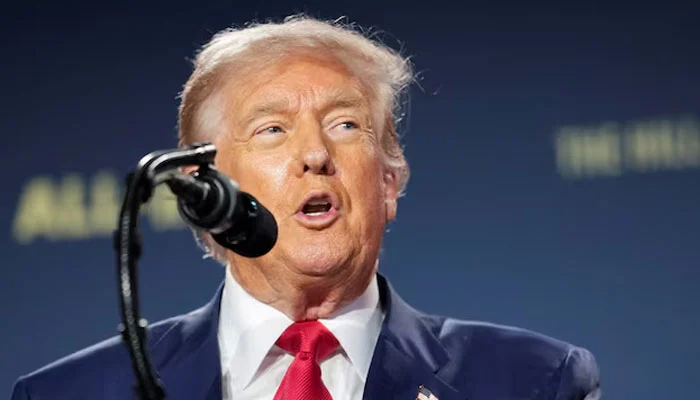
A dramatic new diplomatic push by Donald Trump is reshaping discussions surrounding the emerging Iran peace negotiations, after the U.S. president publicly urged several Muslim-majority nations — including Pakistan, Saudi Arabia and Qatar — to formally normalize relations with Israel through the expansion of the historic Abraham Accords.
In a lengthy social media statement posted Monday, Trump said countries participating in discussions surrounding the Iran crisis should sign onto the Abraham Accords as part of a broader regional settlement aimed at stabilizing the Middle East and reducing long-standing hostilities.
Trump described the proposed expansion of the accords as a necessary step toward transforming the developing Iran agreement into what he called a truly “historic event.”
The president specifically named Saudi Arabia, Qatar, Pakistan, Türkiye, Egypt and Jordan as countries he discussed during weekend diplomatic conversations, while also noting that the United Arab Emirates and Bahrain are already signatories to the Abraham Accords.
Trump indicated that he expects Saudi Arabia and Qatar to move first and suggested that countries unwilling to join the accords may demonstrate “bad intentions” toward the broader peace process.
The Abraham Accords, first brokered during Trump’s presidency in 2020, normalized diplomatic relations between Israel and several Arab nations and were widely viewed internationally as one of the most significant geopolitical breakthroughs in the Middle East in recent decades.
The agreements led to formal diplomatic, economic and security cooperation between Israel, the UAE, Bahrain and later additional regional partners.
However, despite being praised by many Western governments and foreign policy experts, the accords have remained deeply controversial across parts of the Muslim world because they largely bypassed the unresolved Israeli-Palestinian conflict, which remains a highly emotional and politically sensitive issue throughout the region.
Trump’s latest comments come amid rapidly evolving negotiations involving the United States and Iran following months of military escalation, sanctions and instability across the Middle East.
Diplomatic sources indicate that ongoing negotiations may include ceasefire extensions, reopening of the strategically critical Strait of Hormuz and future talks surrounding Iran’s nuclear program and regional influence.
By linking the Iran peace process with broader normalization agreements involving Israel and Muslim-majority nations, Trump appears to be attempting to reshape the geopolitical landscape of the Middle East through a wider coalition-building strategy.
The inclusion of Pakistan in Trump’s remarks is particularly significant given Pakistan’s longstanding support for the Palestinian cause and its historic refusal to formally recognize Israel.
Any move toward normalization by Pakistan would likely generate major political debate domestically and internationally.
Saudi Arabia’s position is also being closely watched, as Riyadh has long been considered one of the most influential and symbolically important potential additions to the Abraham Accords framework.
Analysts say a Saudi-Israel normalization agreement would dramatically alter regional alliances, security dynamics and economic partnerships throughout the Middle East.
At the same time, critics warn that pushing normalization agreements without addressing Palestinian statehood and broader regional grievances could fuel further political tensions and public backlash across the Muslim world.
Trump’s remarks now place additional international pressure on several regional governments as diplomatic efforts continue to prevent further escalation following months of conflict involving Iran, Israel and U.S.-allied Gulf states.
The coming weeks are expected to determine whether the emerging Iran negotiations evolve into a broader Middle East diplomatic realignment or remain limited to temporary ceasefire and security arrangements.