

Nearly a year ago, federal officials quietly proposed a plan to regularly brief leaders of opposition parties with intelligence-informed updates on issues such as foreign interference, violent extremism, and international conflicts, according to a newly released internal memo.
The memo, obtained by The Canadian Press through an Access to Information request, reveals that the Privy Council Office (PCO) recommended classified briefings for security-cleared leaders and designated alternates. These sessions would offer a deeper understanding of emerging national security threats, with the intent of better informing political leaders as they shape party decisions and policy stances.
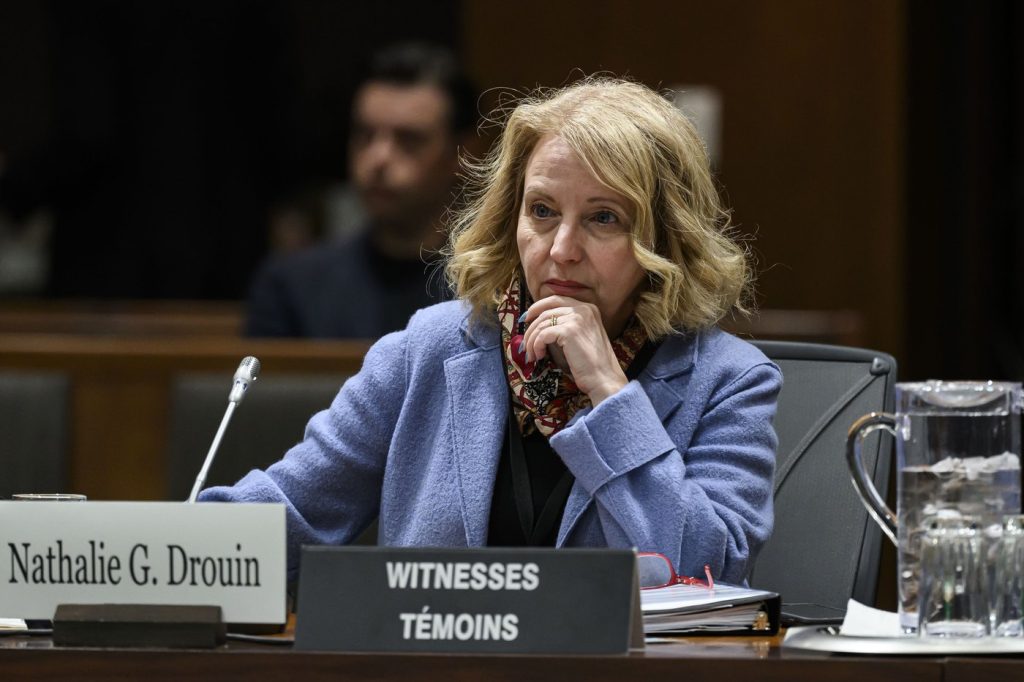
Dated May 10, 2024, and addressed to then-prime minister Justin Trudeau, the memo was drafted by Nathalie Drouin, the national security and intelligence adviser to the prime minister. It outlined a new protocol for the briefings — emphasizing that they could be general, such as updates on the Russia-Ukraine conflict, or tailored to threats directly involving a political party.
To participate, party leaders would be required to undergo a top-secret security clearance process. While the outcome of that process can’t be predetermined, the protocol ensures those granted clearance receive information strictly on a “need-to-know” basis. Importantly, the protocol also anticipates scenarios where party leaders cannot attend and allows a cleared alternate to be briefed in their place.
The proposal comes amid mounting questions around Conservative Leader Pierre Poilievre’s refusal to seek the necessary clearance. Poilievre has publicly argued that accepting such briefings would effectively silence him on key issues, as he would be restricted from speaking about classified content in public. While his chief of staff does hold clearance, Poilievre continues to push back against participating personally.
The memo, however, notes that while classified information must not be disclosed, Members of Parliament do retain parliamentary immunity — meaning they are legally allowed to speak freely in the House of Commons. The PCO’s draft protocol aims to manage this tension, cautioning that briefings would cease if classified information is inappropriately disclosed.
Privy Council Office spokesperson Daniel Savoie said the government remains confident that MPs will understand the gravity of safeguarding sensitive intelligence. He clarified that the protocol, expected to be published in the coming weeks, does not require parliamentarians to waive their immunity. Instead, it outlines a clear accountability structure for handling information that, if leaked, could harm national security.
The federal government is looking to implement a system similar to those used in countries like the United States and the United Kingdom, where opposition leaders receive regular security briefings. The proposed Canadian model would include at least two classified briefings per year, with additional briefings as needed.
The plan also includes input from a committee of deputy ministers on intelligence, who would help approve briefing agendas and content. The Prime Minister’s Office would be informed in advance of the topics being shared with opposition leaders — except during election periods.
While the proposal hasn’t yet been put into effect, some leaders have already taken steps to be informed. NDP Leader Jagmeet Singh, Green Party Leader Elizabeth May, and Bloc Québécois Leader Yves-François Blanchet all previously secured top-secret clearance in order to read a classified annex of a report on foreign interference. Singh, according to the memo, has also received additional briefings on select national security topics.
Elizabeth May expressed strong support for the proposal, saying it would help bridge knowledge gaps across party lines. “I think it’s an excellent idea,” she said. “The only politician I know who seems to prefer remaining in ignorance is Pierre Poilievre. But I think most of us would like to know more.”
A spokesperson for the Conservative Party said they would review the details of the proposed measures before offering comment. The party maintains that the government already has the ability to alert leaders to urgent or relevant security threats.