

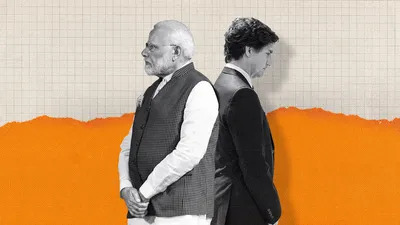
On Monday, Canada escalated its ongoing tensions with India by expelling New Delhi’s top envoy and five other diplomats, marking the latest development in a months-long diplomatic standoff between the two nations.
What Is Fueling the Tensions?
The root of the rift lies in India’s opposition to the Khalistan separatist movement, which advocates for a Sikh homeland to be carved out of Indian territory. While India views this movement as a serious threat to its national security and unconstitutional, Canada has maintained that it supports India’s territorial integrity but will not suppress freedom of expression within its borders.
Tensions escalated after rallies and referendums organized by Khalistan supporters in Canada received significant media attention in India, though they were less prominent in Canadian media. India has long criticized Canada for allegedly allowing pro-Khalistan groups to operate freely, accusing them of supporting terrorism.
The Catalyst: Alleged Involvement in a Canadian Murder
In September 2023, Canadian Prime Minister Justin Trudeau announced an investigation into “credible” intelligence linking India’s government to the assassination of Sikh leader Hardeep Singh Nijjar in British Columbia. Initially, India denied involvement but later clarified that extrajudicial killings are not part of its state policy.
The case intensified after American authorities unsealed an indictment alleging a murder-for-hire plot by an Indian national, further connecting Indian agents to violent acts, including Nijjar’s killing. In May, Edmonton police arrested three Indian nationals, charging them with Nijjar’s murder. India has consistently denied receiving any concrete evidence from Canada regarding its involvement.
Diplomatic Fallout Reaches New Heights
As tensions escalated, India suspended visa services for Canadians and revoked diplomatic immunity for most Canadian envoys. This led Ottawa to withdraw most of its diplomats from India.
On Monday, the Royal Canadian Mounted Police (RCMP) warned the public about a wave of crimes, including murder and extortion, linked to Indian government agents. In response, Canada expelled six Indian diplomats, citing non-cooperation from New Delhi. India quickly mirrored the move, expelling six Canadian diplomats.
Why Does This Matter?
Despite the current tensions, India remains a vital partner for Canada. In 2022, Canada named India a “critical partner” in its Indo-Pacific strategy, seeking closer trade, educational, and renewable energy ties. India is also a major destination for Canadian exports, such as lentils and potash, and a top source of international students.
However, the rift has disrupted trade negotiations, with talks for a limited trade agreement paused shortly after Trudeau’s allegations about India’s role in Nijjar’s killing were made public.
Is This a Political Conflict?
The diplomatic spat has political underpinnings, with Indian Prime Minister Narendra Modi’s government expressing frustration that Trudeau’s administration has not taken the Khalistan separatist issue seriously. This tension dates back to Trudeau’s 2018 visit to India, which was marred by controversy after a convicted Sikh extremist was invited to attend official events.
Indian Foreign Minister Subrahmanyam Jaishankar hinted that the problems stem from specific segments of Canadian politics rather than the country as a whole, particularly pointing to Liberal policies that his government finds unfavorable.
What Happened This Week?
On Monday, Canadian authorities confronted India about the recent criminal activities tied to Indian government agents, presenting evidence but receiving no cooperation. This led to the expulsion of diplomats, marking a severe escalation in the diplomatic conflict.
For now, both countries find themselves in a precarious position, with future relations uncertain amid growing international scrutiny.