

The United States is not preparing for imminent military action against Cuba despite repeated remarks by Donald Trump suggesting the island nation could be the next focus of American pressure following tensions in the Middle East, according to U.S. officials familiar with ongoing discussions.
Officials told The Associated Press that while military options technically remain available, current U.S. efforts are focused more on diplomacy, sanctions and humanitarian proposals aimed at pressuring Havana to adopt political and economic reforms.
Trump recently reignited tensions by saying “Cuba is next” and suggesting that U.S. naval forces returning from the Middle East could stop near the island, remarks that sparked speculation about possible American intervention.
At the same time, the U.S. administration has reportedly offered Cuba a package of humanitarian assistance that includes millions of dollars in aid, infrastructure support, agricultural assistance and two years of free Starlink internet access for Cuban citizens.
However, American officials acknowledged they are uncertain whether Cuba’s communist leadership will accept the offer, which reportedly comes with conditions including the release of political prisoners, reduced political repression and expanded opportunities for U.S. private investment.
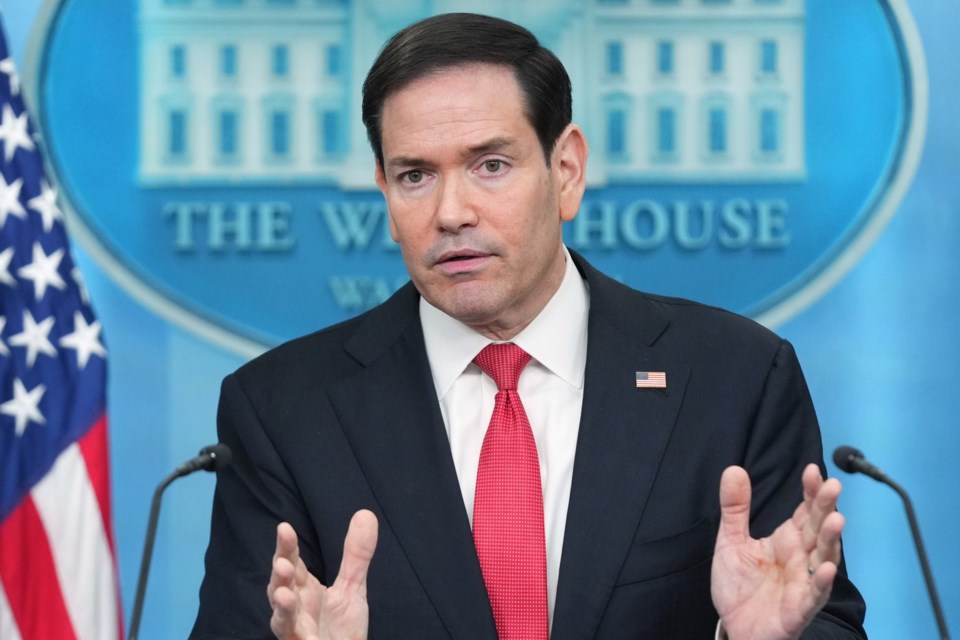
Marco Rubio, whose parents immigrated from Cuba, has continued to take a hard stance against Havana’s government, describing Cuba’s economic system as a failure.
“The only thing worse than a communist is an incompetent one,” Rubio told reporters earlier this week while criticizing the country’s leadership.
Cuba has strongly rejected suggestions that its internal political system is open to negotiation.
Bruno Rodríguez Parrilla condemned the latest U.S. sanctions as “collective punishment” and accused Washington of attempting to impose its will through coercion and economic pressure.
Cuban officials also dismissed any suggestion of regime change discussions, insisting that the country’s sovereignty and leadership are not negotiable.
Despite public tensions, contacts between the two countries have reportedly increased in recent months. According to U.S. officials, senior American diplomats visited Havana in April for discussions with Cuban representatives, marking one of the highest-level direct engagements between the countries in years.
The talks reportedly focused on humanitarian conditions, migration concerns and regional security issues, including growing U.S. concerns about Russian and Chinese influence in Cuba.
American officials remain skeptical that Havana is willing to make major reforms, while Cuban authorities continue to blame long-standing U.S. sanctions and economic restrictions for worsening conditions on the island.
The latest developments come as the Trump administration expands sanctions targeting Cuba while simultaneously leaving open the possibility of future negotiations.