

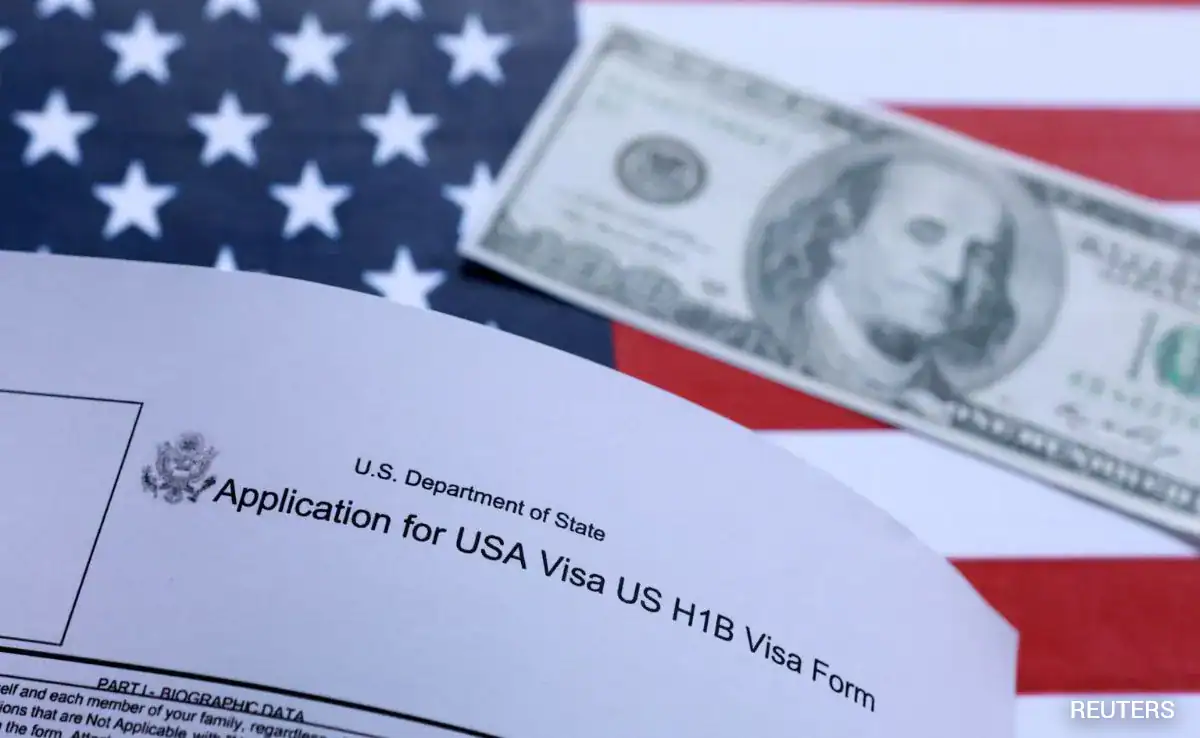
NEW DELHI — The Trump administration has issued a sweeping directive instructing U.S. embassies to reject visa applications from people who have worked in fact-checking, content moderation, compliance, trust and safety, or any role deemed connected to “censorship” — a move expected to hit Indian technology workers particularly hard.
According to a State Department memo obtained by Reuters, consular officials have been told to deny visas to anyone considered “responsible for, or complicit in, censorship or attempted censorship of protected expression in the United States.” The order applies broadly across visa categories — from journalists and tourists to students — but is focused most aggressively on H-1B applicants, the skilled-worker visa heavily used by India’s tech sector.
Under the new rules, visa officers will scrutinize applicants’ LinkedIn profiles, résumés, work histories, and social media accounts to determine whether they have been involved in fact-checking, misinformation analysis, trust-and-safety functions, content removal, or platform compliance. Evidence of such work could lead to immediate disqualification.
The policy casts a wide net: professionals who combat child sexual abuse material, antisemitism, online extremism, cyberbullying, or self-harm content may also be caught up in the ban, even though their roles are intended to protect users. Officials in the United Kingdom who enforce the Online Safety Act 2023, which empowers regulators to fine companies for harmful online content, may also be denied entry under the new rules.
The administration has defended the directive as part of its broader effort to “protect free speech,” frequently citing Donald Trump’s own social media bans following the January 6, 2021 Capitol riot. A State Department spokesperson said the government intends to block foreigners who “work as censors muzzling Americans,” adding that allowing such individuals into the country would “insult and injure the American people.”
Critics argue the policy dangerously misrepresents the purpose of online safety work. “I’m alarmed that trust and safety work is being conflated with ‘censorship,’” said Alice Goguen Hunsberger, vice-president of trust and safety at PartnerHero, in comments to NPR. She stressed that these teams are responsible for protecting children from sexual abuse material, stopping scams and fraud, and preventing sextortion. “Having global workers in trust and safety absolutely keeps Americans safer,” she said.
The ban comes in a year marked by escalating tensions between the administration and the media. The White House has already restricted visas for foreign journalists, removed climate change references from federal websites, blocked press access, and filed lawsuits against media outlets. In May, Secretary of State Marco Rubio declared on social media that foreigners who “undermine the rights of Americans” should no longer expect to be welcomed into the United States.
For India — the single largest source of H-1B applicants — the implications are far-reaching. Many Indian tech professionals have experience in content moderation, misinformation analysis, fraud prevention, and online safety — fields now potentially classified as “censorship” under the new U.S. policy. Immigration lawyers expect widespread rejections unless the directive is clarified or reversed.
The administration has not commented on the leaked memo directly, but the message from Washington is unmistakable: those involved in policing the internet, even for public safety, may no longer be welcome in America.