

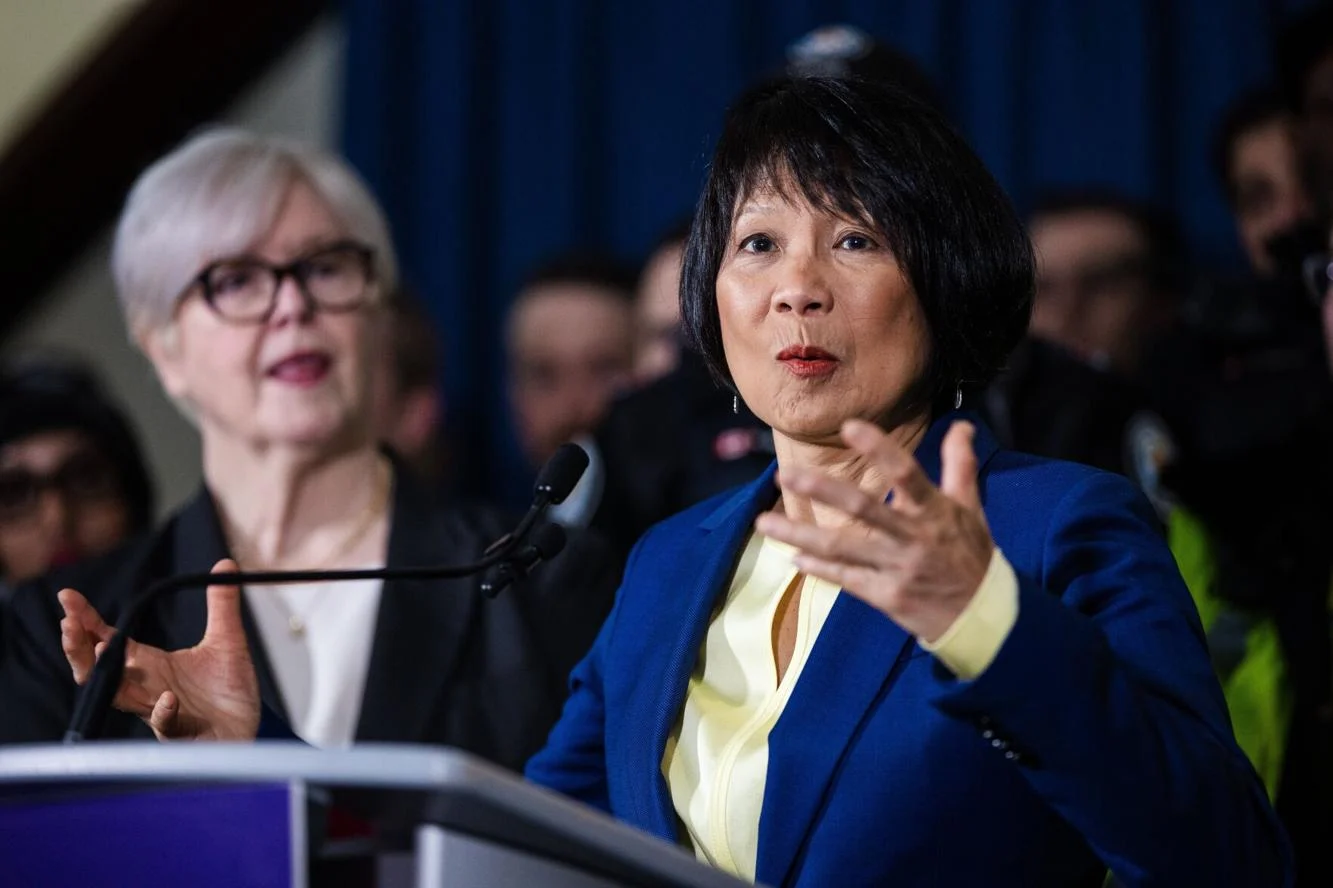
Mayor Olivia Chow is expected to propose a property tax increase of less than five per cent in the City of Toronto’s 2026 budget, marking the smallest tax hike of her administration as the city navigates mounting financial pressures ahead of a pivotal municipal election later this year.
City councillors speaking ahead of the budget’s release indicated that the anticipated increase would be significantly lower than the 9.5 per cent hike in 2024 and the 6.9 per cent increase in 2025, both of which were introduced to stabilize city finances following the pandemic. The draft budget is set to be unveiled this week, with final approval expected in February—months before an October election in which Chow is widely expected to seek re-election.
While the mayor’s office has signalled that the lower tax increase can be achieved through internal savings without cutting frontline services, city hall sources say the plan will also rely on deferring some long-term infrastructure spending and tighter controls on departmental growth.
Councillor Mike Colle described the approach as an attempt to offer relief to residents facing affordability challenges, noting that even a moderate increase will remain controversial. Other councillors suggested the increase could land in the three to four per cent range, reflecting the political sensitivity of raising taxes for a third consecutive year.
Key Financial Pressures
Several major factors are already shaping the 2026 budget:
- A previously approved 1.5 per cent City Building Levy, dedicated to transit and housing infrastructure, will again be included in the overall tax rate.
- Each one per cent property tax increase generates approximately $49 million in revenue.
- Council has approved a new luxury home land transfer tax on properties over $3 million, expected to raise $13.8 million in 2026.
- The city faces an estimated $1 billion in inflation- and growth-related costs just to maintain current service levels.
Toronto is also contending with declining land transfer tax revenue and provincial changes to development charges, which city staff estimate will reduce municipal revenues by $1.9 billion over the next decade.
Budget chief Councillor Shelley Carroll said departments were given stringent savings targets and described the forthcoming tax increase as “manageable” and comparable to those in other GTA municipalities. She stressed that essential services—such as snow clearing, libraries, parks, and recreation programs—will not be impacted.
Agency Spending and Capital Delays
Despite efforts to restrain overall spending, budgets for major agencies are expected to rise. The Toronto Transit Commission (TTC) has proposed a 6.8 per cent operating budget increase, helping to freeze fares for a third straight year, maintain service levels, and introduce a fare-capping program.
Similarly, the Toronto Police Service is seeking a seven per cent budget increase to support officer hiring, respond to rising service demands, and expand neighbourhood policing initiatives.
To offset these increases, the city is pausing non-essential hiring and scrutinizing even smaller programs. Some capital projects—particularly non-essential state-of-good-repair work—may be delayed, a move that has raised concerns among councillors who warn that deferred maintenance can lead to higher costs in the future.
Political Stakes Ahead
With the budget landing in an election year, councillors acknowledge that property taxes and affordability will play a central role in Mayor Chow’s political future. While progressive members may push for higher taxes to fund services and infrastructure, others caution that increases above inflation could strain homeowners and affect voter support.
The budget released this week will serve as a draft and will undergo committee review and public consultations. Under Ontario’s strong mayor legislation, Mayor Chow must formally introduce her final version by February 1, with City Council set to vote on February 10.
As Toronto balances fiscal responsibility, infrastructure needs, and political realities, the 2026 budget is shaping up to be one of the most consequential of Chow’s tenure to date.