

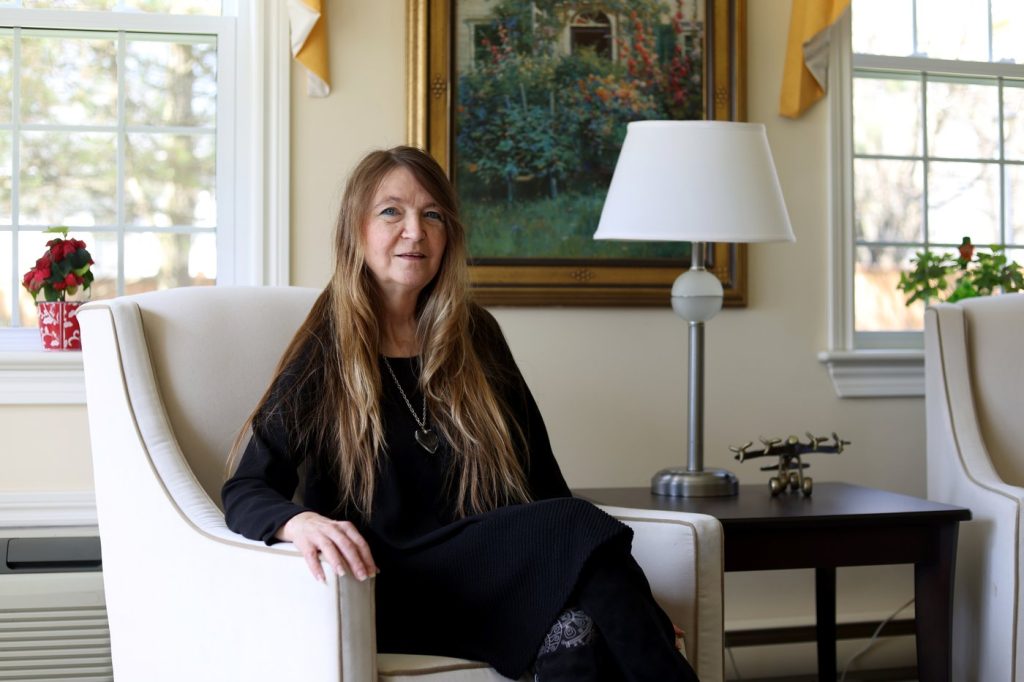
Laurie Miller, a 59-year-old heart transplant recipient in Stratford, Ontario, found herself suddenly quarantined after learning she had been exposed to measles during a visit to a hospital emergency room in March. She had gone to support her husband after an all-terrain vehicle accident, only to receive a call days later from public health officials alerting her to a potential exposure. Though born before 1970—a group often presumed to have natural immunity—she was instructed to leave her workplace immediately and isolate at home.
Miller’s experience highlights the precarious situation faced by people with compromised immune systems during the current measles outbreak. As someone who cannot receive the live attenuated measles vaccine, which carries risk for those with weakened immune systems, Miller is part of a growing population that remains especially vulnerable.
Ontario has seen over 1,000 confirmed measles cases since October, with more than 120 cases in Miller’s local Huron Perth region alone. Alberta has reported 122 cases, 14 of which are currently communicable, and Quebec declared its outbreak over earlier this week.
For individuals like Miller, vaccines are not an option. The weakened virus in the measles vaccine is safe for most people but could potentially cause infection in someone with a suppressed immune system. Miller isn’t alone—cancer patients on chemotherapy, people with organ transplants, and those with chronic illnesses are all at higher risk.
Dr. Deepali Kumar, director of the Ajmera Transplant Centre at Toronto’s University Health Network, says this outbreak marks a new reality. When measles was last circulating widely in Ontario before its elimination in 1988, the number of immunocompromised people was far smaller. Advances in medical science, particularly the development and use of immunosuppressants, have expanded the population that falls into this high-risk category. Kumar estimates that four to six per cent of Canadians today are immunocompromised.
In response to her exposure, Miller traveled to Toronto General Hospital and received an intravenous infusion of immunoglobulin, a therapy made from donated blood containing protective antibodies. It can only be administered within six days of exposure and provides short-term immunity. While she hasn’t become ill, Miller says the experience left her cautious—avoiding crowded stores, wearing masks, and worrying about everyday outings.
Others share similar concerns. Steff Di Pardo, a 29-year-old Mississauga resident living with ankylosing spondylitis, takes regular immunosuppressive treatments for her autoimmune condition. She wears a mask routinely and remains hyper-aware of her surroundings, but the resurgence of measles has intensified her fears. Like Miller, she’s part of a medically vulnerable population that must rely on others being vaccinated to reduce the risk of exposure.
Janna Shapiro, a postdoctoral fellow at the Centre for Vaccine Preventable Diseases at the University of Toronto, is currently researching how live vaccines like MMR (measles, mumps, and rubella) affect immunocompromised individuals. She believes the risks and benefits of live-virus vaccines need to be re-evaluated in this new era, particularly for children with conditions like leukemia or those on biologic medications for diseases such as inflammatory bowel disease.
Shapiro notes that the landscape has changed. New medications and evolving health conditions mean more people are now immunocompromised, and many of them were not accounted for in previous vaccine safety studies. The best strategy to protect them, she says, is community-wide immunization. When those around them are vaccinated, their chances of exposure drop dramatically.
As measles continues to spread, the voices of people like Miller, Di Pardo, and the researchers advocating on their behalf serve as a sobering reminder: in a world where a highly contagious virus can circulate rapidly, immunity must extend beyond the individual—it must include the community.