

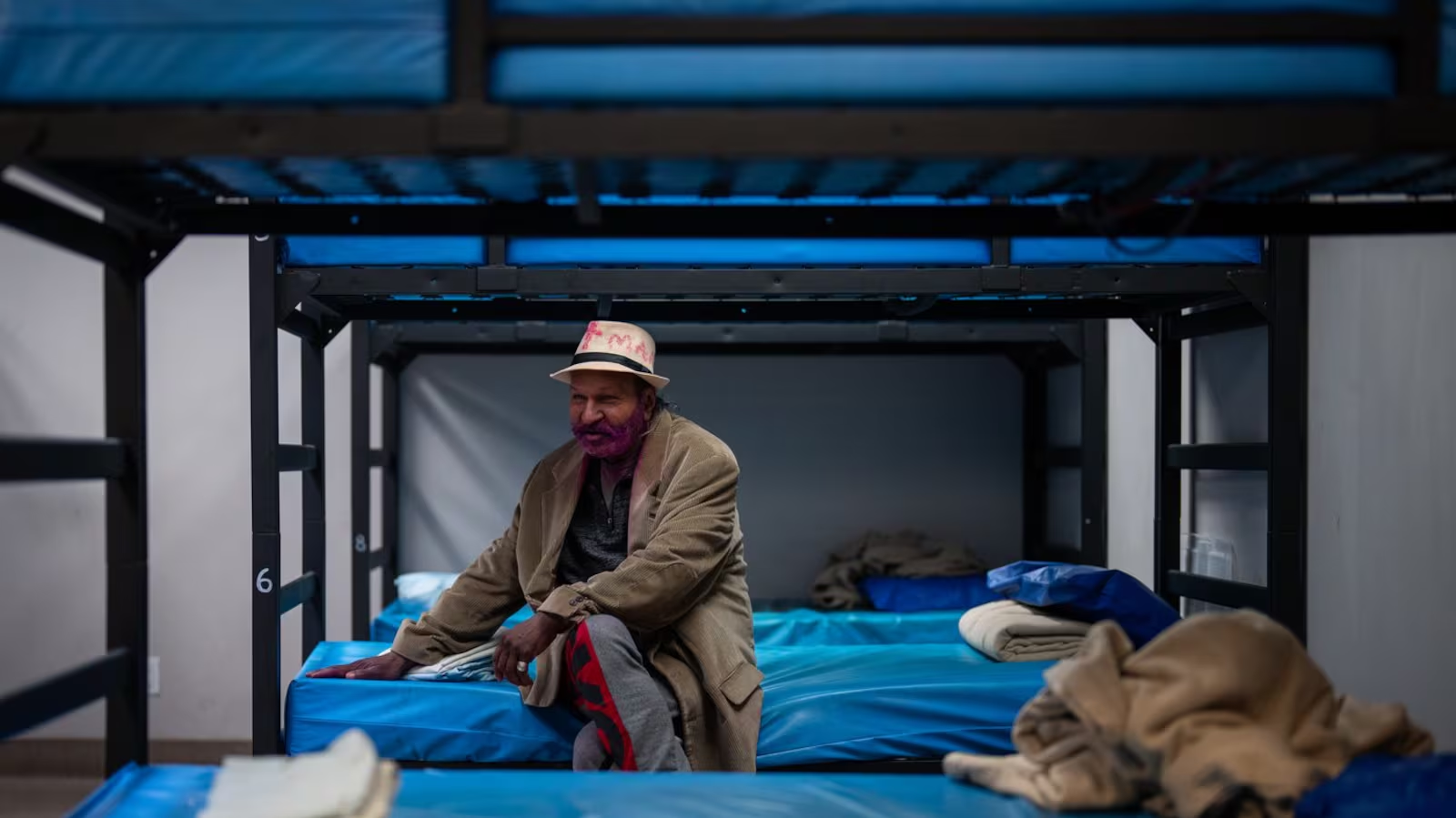
Roger Oake, 71, sat quietly on a bench outside Vancouver’s Union Gospel Mission shelter. He had just finished breakfast. This wasn’t his first stay at the shelter—far from it. After years of homelessness, he’s no stranger to the street or the toll it takes. But now, each passing year makes the day-to-day harder. “We’re people too, you know?” he said. “We’re not just bums.”
Across Canada, shelters like this one are seeing a clear and concerning trend: their clients are getting older. The face of homelessness is changing, and it’s forcing service providers to rethink everything—from facility design to medical training for staff.
In Vancouver alone, Union Gospel Mission says that since the COVID-19 pandemic, the number of clients aged 55 and older has risen dramatically—now making up one-third of their shelter population. Nick Wells, a spokesperson for the organization, said seniors in crisis are increasingly arriving at their doors, many of them newly homeless due to evictions, financial instability, or health emergencies.
Some seniors lose their homes simply because they were hospitalized for too long. Others are priced out of aging apartments or displaced by renovations they can’t afford. And once on the street, even simple routines become hard.
It’s not just about giving someone a bed anymore. It’s about making sure that bed is close to an accessible washroom. That there’s a plug nearby for a mobility scooter. That shelter workers are equipped to manage dementia or help someone apply for Old Age Security.

One former shelter resident with dementia, now living in the building’s transitional housing, regularly wanders back into the shelter space because he remembers the bathroom layout there. A staff member guides him back to his floor each time. It’s a small act—but one that speaks volumes about the evolving challenges of shelter care.
Shelters across Alberta, Saskatchewan, and B.C. are seeing the same shift. Samantha Lowe, senior director at The Mustard Seed, says traditional definitions of “senior” no longer apply. Chronic homelessness accelerates aging. A 55-year-old who has lived on the streets for years might have the health issues of someone 75. Many arrive with complex medical needs—diabetes, cancer, COPD—and often must choose between medication and housing.
Meanwhile, in Toronto, the Salvation Army’s Islington Seniors’ Shelter operates at full capacity. The 83-bed facility is designed specifically for older adults facing homelessness, offering semi-private suites, shared living, and emotional support to fight loneliness and isolation.
Spokesman Glenn van Gulik notes a rising number of seniors in the system—20% of Toronto’s homeless population is over 55. And the shelter’s services go far beyond a warm meal: staff help with dietary needs, secure dental appointments, and search for affordable rentals on a fixed income.
Back in Vancouver, 68-year-old Mo Singh Khunkhun dyes his beard a vivid purple. “I don’t do boring,” he laughs. He’s worked construction, farms, all kinds of jobs. But after the heat failed in his last apartment, he fell behind on rent and lost his home.
Now, like many others, he’s part of a growing group of seniors experiencing homelessness later in life. He says the camaraderie helps. Even if it’s just talking about health struggles, telling jokes, or going for walks, there’s comfort in being around others who understand.
Still, support workers say the situation needs more than friendship. What’s urgently required is a coordinated effort from government and healthcare systems to create age-friendly shelter policies, expand seniors’ housing, and ensure no one gets evicted while in a hospital bed.
As Oake said with quiet resignation, “We are what we are and we’re at where we’re at.”