

Steel Strong, Prices Higher: Trump’s Tariffs Risk Ripple Effects Across U.S. Economy
In a major escalation of his trade agenda, U.S. President Donald Trump has doubled tariffs on imported steel and aluminum to 50%, a move that has stirred celebration in the American steel industry but sparked alarm across sectors that rely on these metals. The new duties, which took effect at midnight Wednesday, are expected to ripple through industries from auto manufacturing to food packaging.
The White House defended the sharp tariff hike as essential to national security and economic sovereignty. “Domestic steel and aluminum production is imperative for our defense-industrial base,” said White House spokesperson Kush Desai, calling the tariffs part of a broader effort to reshore vital manufacturing. The administration tied the tariff move to its wider suite of reforms including deregulation, tax cuts, and energy expansion.
Steel executives welcomed the move. Lourenco Goncalves, CEO of Cleveland Cliffs and chair of the American Iron and Steel Institute, argued the price hike’s impact on consumers would be minimal. “Adding $300 to the price of a $48,000 car won’t stop anyone from buying it,” he said. However, industries that use steel and aluminum warned the increase could lead to job losses and higher prices down the supply chain.
The Aluminum Association expressed concern that the blanket tariff could do more harm than good. Many U.S. aluminum finishing mills depend on raw material from Canada due to energy cost advantages. Industry leaders are now lobbying for a carve-out to protect cross-border supply chains. “The administration should reserve high tariffs for bad actors like China,” the group said in a statement.
Consumer-facing industries like beverage and canned goods manufacturers are also bracing for impact. The Can Manufacturers Institute warned that 80% of tin mill steel is imported due to limited domestic production, and the tariff increase could push up grocery prices.
Economists say the decision could result in broader economic fallout. Larry Summers, a former director of the National Economic Council, called the move “quintessentially damaging,” pointing out that for every job in steel, there are dozens more in industries that use it. “The net effect is going to be to destroy manufacturing jobs and push up consumer prices,” he told CNN.
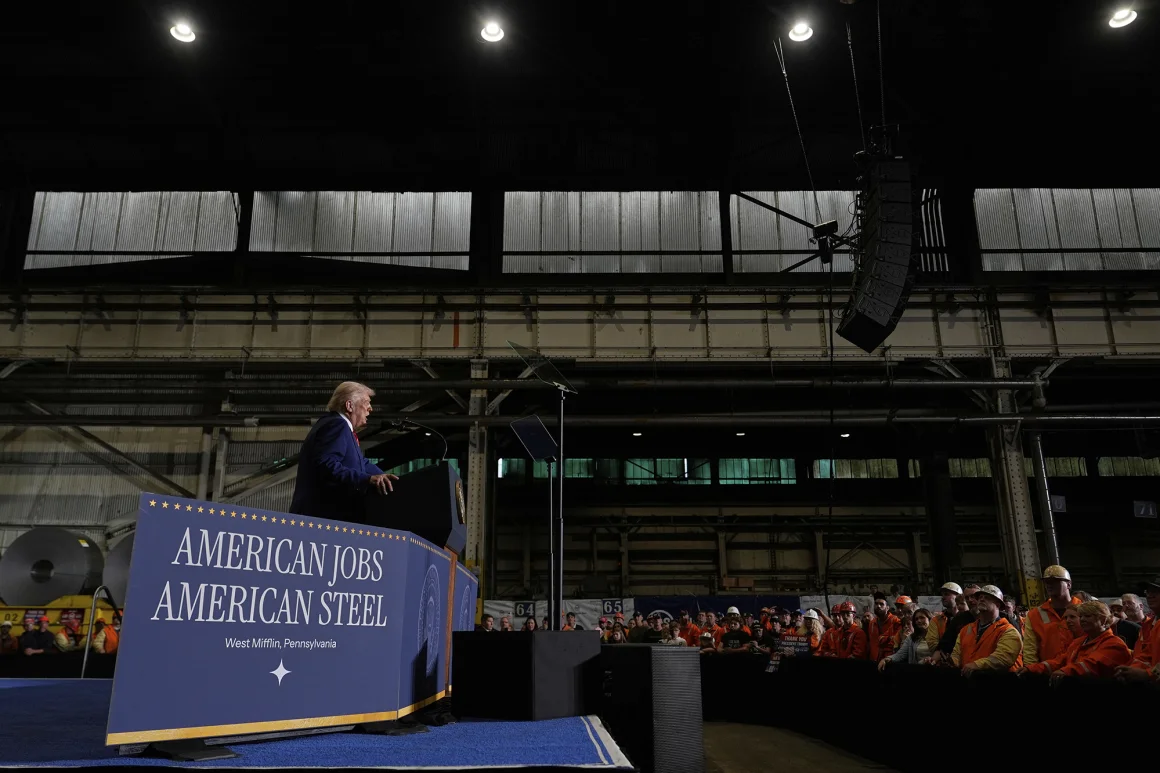
Trump announced the tariff hike during a visit to a U.S. Steel plant outside Pittsburgh on May 30, where he declared, “If you don’t have steel, you don’t have a country.” The move plays directly into his appeal to Rust Belt voters, for whom steel is symbolic of economic pride and national strength.
Spot prices for steel have already surged more than 20% since the initial 25% tariffs began in March. Aluminum prices have also risen, though at a slower pace. Previous rounds of tariffs during Trump’s first term did little to boost overall domestic production and, in some cases, backfired. For example, U.S. producers have largely exited the market for tin mill steel, a key component in food and beverage cans.
Even within the aluminum industry, major producers like Alcoa have warned that tariffs could cost jobs rather than save them. CEO William Oplinger predicted earlier this year that the 25% tariff could cost the U.S. 100,000 jobs. Following the tariff hike to 50%, Alcoa is reevaluating the economic impact.
Major buyers like Coca-Cola are already adapting. CEO James Quincey said in February that the company was preparing to switch to glass and plastic packaging to dodge aluminum-related cost spikes — and that was before the doubling of duties.
Despite Trump’s push for a revival in American metal production, analysts caution the plan could hurt more than it helps. While the tariff move is politically popular in some regions, its long-term economic benefits remain uncertain — particularly as industries and consumers brace for the cascading cost of a trade war.