

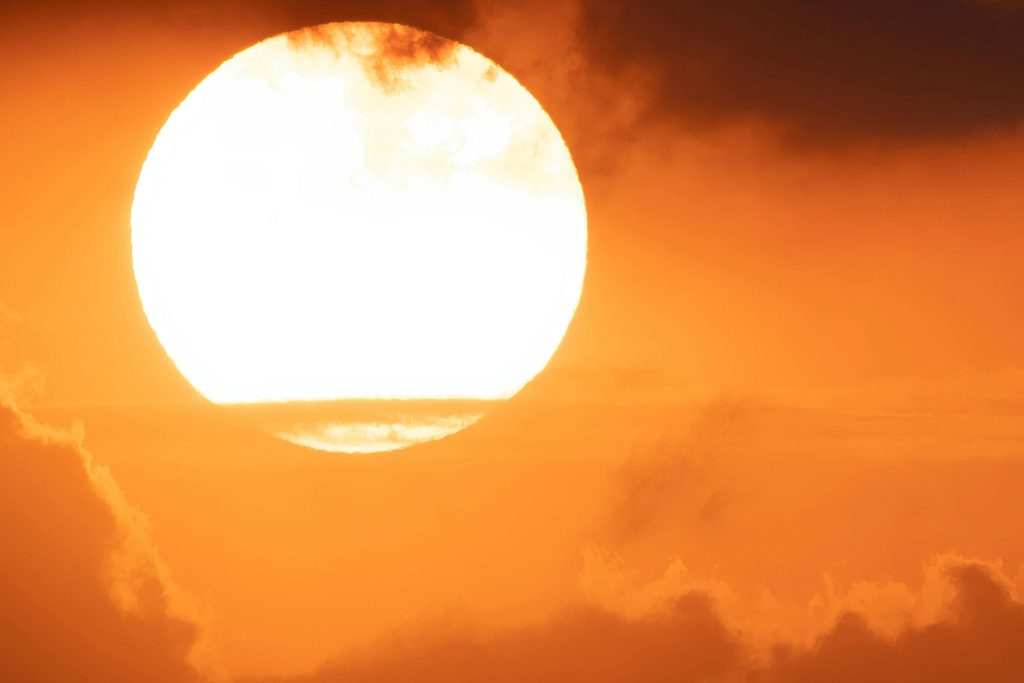
Ontarians dreaming of sunny days can look forward to a warm, humid summer — but the forecast comes with serious caveats. According to The Weather Network’s seasonal outlook, June through August will bring above-average temperatures to much of Ontario, Quebec, and the Maritimes, alongside a heightened risk of wildfires and severe thunderstorms.
Meteorologist Doug Gillham from The Weather Network notes that while many will initially welcome the heat, the season may “highlight that you can get too much of a good thing.” Warm nights, powerful storms, and drier conditions could make this summer particularly volatile. Though not as persistently hot as some past years, heat waves are likely — even before July — especially west of Lake Superior.
With conditions already dry along the Ontario-Manitoba boundary, recent wildfires in that area are seen as a warning sign. Evacuations have already taken place in several communities, and fire risk remains high.
Gillham emphasized the need for increased vigilance this summer, as warmer temperatures and below-normal rainfall can quickly escalate fire threats. Meanwhile, Central Canada is bracing for muggy air and frequent storms, driven by sustained humidity.
Climate change continues to shift the definition of “normal” in Canadian weather. Since the late 1940s, average summer temperatures have risen by nearly two degrees Celsius. As the climate warms, the chances of cooler summers decline, and extreme heat events become more probable.
The southern Prairies are also expected to see scorching temperatures with lower precipitation, raising drought concerns. Although the region is entering the summer in a better state than during severe drought years like 2012, the outlook remains challenging.
Comparisons to the catastrophic summer of 2021 — marked by wildfires, water shortages, and a deadly heat dome in British Columbia — are being cautiously drawn. However, Gillham suggests this year’s pressure may shift eastward, focusing more on the Prairies.
Western Canada, including B.C., is forecast to experience warmer and drier conditions inland, while coastal areas may enjoy near-normal summer weather. Further north, the territories are looking at warmer-than-average temperatures with mixed precipitation levels, putting wildfire potential under close watch.
In the Atlantic region, warmer waters fueled by climate change are expected to contribute to a busier hurricane season. Between 13 and 19 named storms are anticipated, with up to five major hurricanes predicted. Even with fewer storms overall, a single landfall could cause significant damage, especially in Atlantic Canada or the northeastern U.S., with Ontario and Quebec possibly feeling storm remnants.
The Maritimes and western Newfoundland will likely experience warmer and wetter conditions, while eastern Newfoundland and Labrador may see more typical summer rainfall. Cold fronts may still cut through the heat, but the overarching forecast paints a picture of a summer that’s far from calm.