

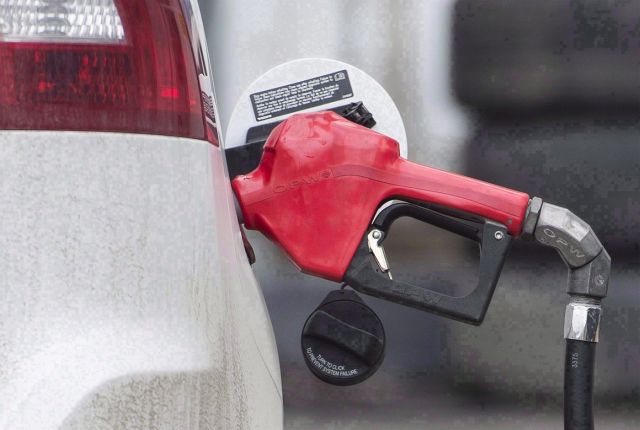
Canadians are set to feel a quick cash boost at the gas pumps, but the ripple effects of scrapping the consumer carbon price might take longer to hit their grocery carts, according to a fresh Desjardins Economics report released Wednesday. The move comes hot on the heels of Prime Minister Mark Carney’s new Liberal crew zeroing out the levy as of April 1, ending a policy that once padded wallets with quarterly rebates—the last of which lands in April.
The big win? Gas prices. Desjardins’ deputy chief economist Randall Bartlett predicts an 18-cent drop per litre in provinces under federal carbon pricing, slashing about $9 off a 50-litre fill-up. Without Carney’s axe, the planned hike would’ve jacked prices up another three cents. “That’s real, noticeable savings,” Bartlett said, spotlighting the instant relief for drivers in places like Ontario and Alberta. Natural gas prices are also poised to plunge 12.8% from March to April, softening heating bills.
The federal carbon price—currently $85 per tonne—hit over two dozen fuels like gasoline, propane, and coal, pegged to their greenhouse gas emissions when burned. It applied everywhere except British Columbia, Quebec, and the Northwest Territories, which ran their own equivalent systems—until B.C. jumped ship post-Carney, ditching its provincial levy too.
But don’t expect your grocery bill to shrink overnight. Desjardins says lower transport costs from the carbon price cut will trickle down slowly, cooling food inflation over time. RSM economist Tu Nguyen agrees: “It took years for the carbon price to build up; unwinding it won’t flip prices instantly.” She points to global oil markets, demand swings, and supply hiccups as bigger players in gas costs anyway.
The report pegs a 0.7% dip in April’s inflation rate thanks to the policy kill—echoing Bank of Canada Governor Tiff Macklem’s May 2024 estimate to the finance committee. That could drag annual inflation down to 2.1% from February’s surprise 2.6% spike, juiced by the end of Ottawa’s sales tax holiday. Desjardins had warned of 3%-plus inflation by late 2025 with the carbon price intact; now, it’s eyeing 2.5%.
Bartlett says this breather could offset some tariff-war pain—Canada’s retaliatory levies and a sagging loonie are set to hike import costs. Nguyen’s less rosy: “Tariffs will hit harder—think pricier perishables, then appliances.” Still, with inflation easing, the Bank of Canada might find wiggle room to cut rates again after last week’s trim, balancing trade-war blows without fretting as much about price spikes, Bartlett notes. For now, it’s cheaper fill-ups fast—cheaper kale, maybe later.