

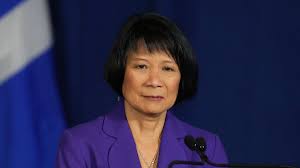
Mayor Olivia Chow Set to Reveal Toronto’s 2025 Budget Amid Financial Pressures
Toronto Mayor Olivia Chow will unveil the first iteration of the city’s 2025 budget today, providing insight into property tax rates, spending priorities, and measures to address an estimated $1.2 billion financial shortfall. The proposed budget will be subject to adjustments by city council before a final vote in mid-February.
Last year, the city approved a 9.5% property tax increase, the largest in decades, to address a staggering $1.8 billion budget gap. Chow has signaled that another significant hike might be necessary this year to maintain current service levels while adhering to Ontario’s requirement for municipalities to balance their budgets.
Key Budget Details So Far
- Water and Garbage Rates: Toronto residents should expect a 3.75% increase in water and garbage bills, amounting to an average of $50 more annually.
- Police Funding: The Toronto Police Services Board has approved a proposed $46.2 million increase to its 2025 budget, prioritizing public safety initiatives.
- Transit Investments: The Toronto Transit Commission (TTC) plans to freeze fares for the second consecutive year while allocating funds to operate the new Eglinton and Finch LRT lines, expected to launch in July and August 2025.
- Traffic Management: The city will invest $3 million to hire more traffic agents to alleviate congestion at Toronto’s busiest intersections. “Anywhere there’s traffic jams, you can expect to see them,” Chow said last week.
The city began public consultations last October, gathering input both in person and online. A survey was also launched to gauge residents’ priorities. Whether this feedback has shaped the proposed budget remains to be seen.
Today’s announcement marks the first draft of the budget, which is expected to undergo revisions in the coming weeks. Historically, initial proposals have included higher tax rates that were later adjusted.
Toronto continues to grapple with mounting fiscal challenges. Chow has emphasized the need for a balanced approach to maintain essential services, expand housing initiatives, and support public safety.