

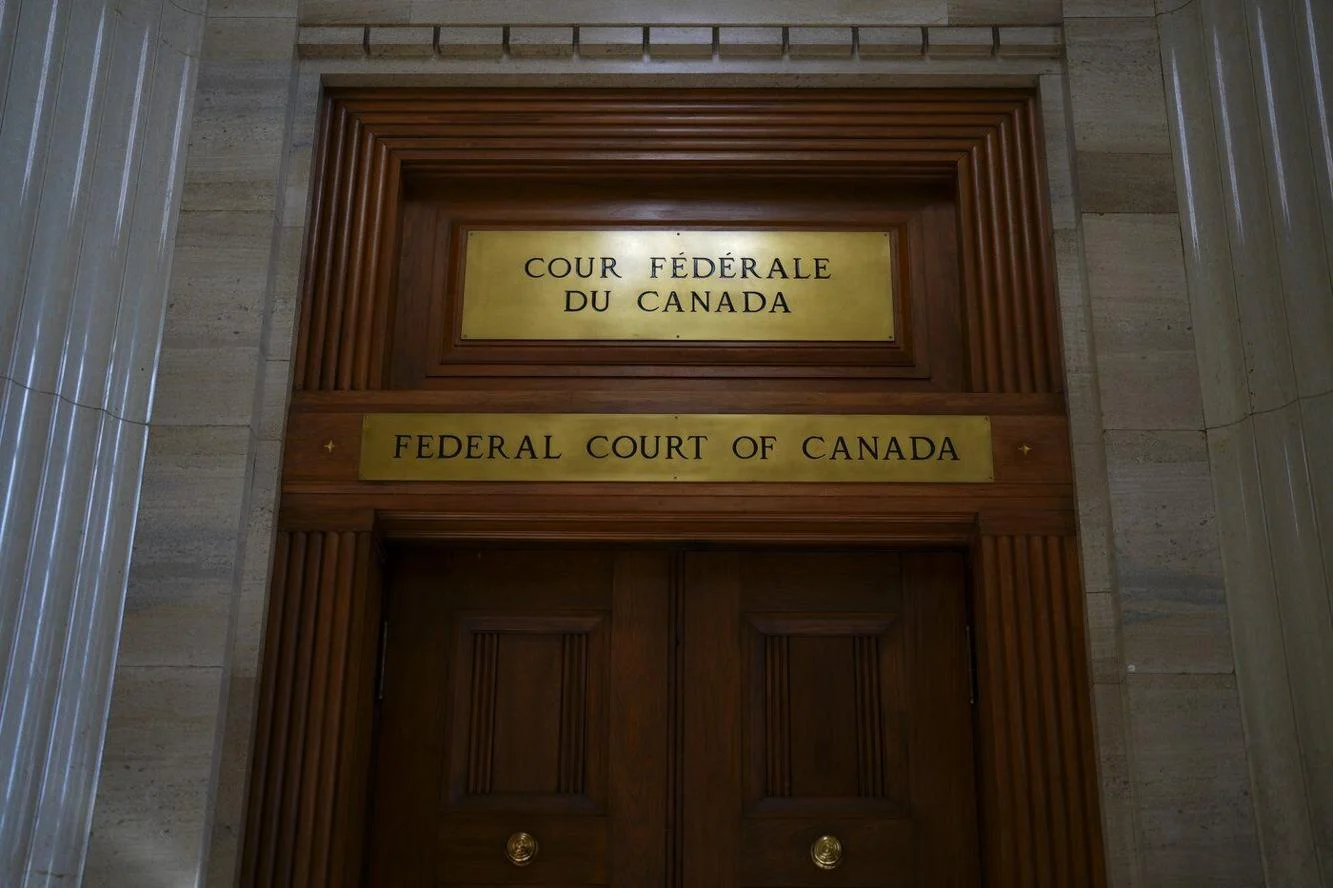
The federal government is asking the Federal Court to dismiss more than 400 immigration-related cases at once, arguing they were improperly filed with the help of unauthorized “ghost agents” rather than by the applicants themselves.
In a motion filed last month, Ottawa said 430 court applications — brought by people seeking study, work or visitor permits — show striking similarities in wording, format and structure. Despite claiming to be self-represented, many applicants listed identical home addresses, phone numbers and email accounts, raising concerns that a single unlicensed agent or group prepared the filings behind the scenes.
The cases involve mostly Chinese applicants who turned to the court after experiencing long delays in immigration processing. They are asking for a legal remedy known as mandamus, which would compel Immigration, Refugees and Citizenship Canada to act if the delays are deemed unreasonable. The government is not disputing whether the delays were excessive, but instead argues the applications should be thrown out because they were allegedly filed in breach of court rules.
Under Canadian law, individuals appearing before the Federal Court must either represent themselves or be represented by a licensed lawyer or authorized consultant. The government maintains the applicants misled the court by claiming self-representation while relying on unauthorized agents.
Immigration lawyers say the move is unusual in its scale. While some of the cases appear to raise legitimate concerns — including waits of well over a year — legal experts acknowledge the similarities across filings strongly suggest the involvement of ghost agents, whose activities have long plagued the immigration system.
Unauthorized representatives often operate within cultural communities, charging lower fees and avoiding regulation, but their involvement can lead to rejected applications, court sanctions and long-term consequences for applicants. In previous cases, courts have already dismissed mass filings that showed identical language and even cited non-existent legal precedents.
The surge in immigration litigation has placed growing pressure on the Federal Court, with immigration cases rising from fewer than 8,000 in 2019 to nearly 25,000 in 2024. Officials say unauthorized agents contribute to backlogs by submitting poor-quality or misleading applications, which then fuel further appeals.
While critics argue the government should focus on prosecuting the ghost agents themselves rather than punishing applicants, Ottawa says it is moving in that direction. Proposed regulations expected in 2026 would allow fines of up to $1.5 million against unauthorized immigration practitioners and require public disclosure of their names.
As the case proceeds, the court will have to balance the integrity of its rules against the reality that many applicants may have unknowingly relied on unlicensed help — a problem lawyers warn could grow as artificial intelligence tools become more widely used in immigration filings.