

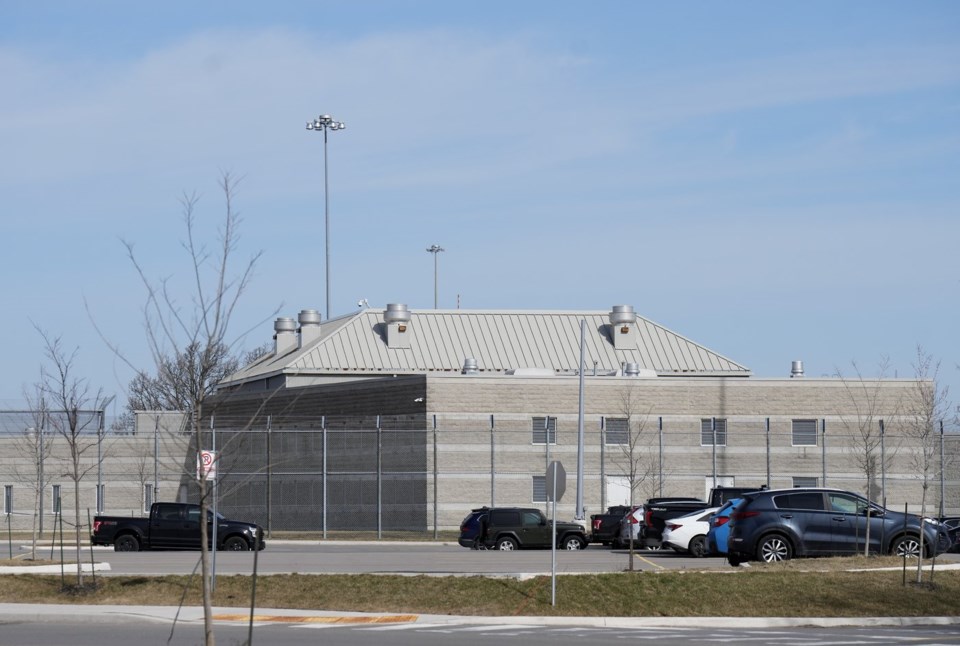
Ontario is preparing for one of the largest correctional expansions in its history, with internal government documents revealing plans to add nearly 6,000 new jail beds by 2050. The ambitious strategy comes as provincial institutions face chronic overcrowding, rising inmate populations, and mounting pressure on staff and infrastructure.
According to records tied to the office of Michael Kerzner, the province’s current jail system is already operating far beyond comfortable limits, with roughly 2,000 more inmates than available beds. Officials say the strain is being driven by several factors, including court backlogs, longer remand periods, bail reforms, and population growth.
The expansion is structured in three phases. The first phase, already underway, would add more than 1,100 beds by 2032 through new builds, modular facilities, and upgrades at sites including Thunder Bay, Niagara, Milton, Sudbury, Brockville, Kemptville, and Napanee. Longer-term phases would continue construction through 2050, eventually boosting total capacity by approximately 66 per cent.
One of the flagship projects is the new Thunder Bay Correctional Complex, a billion-dollar facility intended to replace aging infrastructure and significantly expand space. Officials describe these early investments as immediate relief measures, while acknowledging that future demand will require thousands more beds.
Supporters of the plan argue the province has little choice. Overcrowded jails can create dangerous conditions for both inmates and correctional officers, with reports of triple bunking, delayed bail hearings, and increased assaults. From a public safety perspective, the government says expanding capacity is necessary to maintain order and protect communities.
Critics, however, see the plan as costly and misguided. Researchers and advocacy groups warn that building more jails does not address the root causes of incarceration, such as poverty, mental health challenges, addiction, housing instability, and delays in the justice system. They argue billions could be better spent on prevention, rehabilitation, and faster court processes rather than expanding incarceration.
The financial stakes are enormous. Construction alone could cost billions, while annual operating costs are also expected to rise substantially as new facilities come online. That raises difficult questions for taxpayers about long-term priorities and whether incarceration should be the province’s primary response to system pressures.
For communities across Ontario—including Brampton, Milton, and other fast-growing regions—the issue goes beyond jail walls. It touches on public safety, justice reform, municipal planning, and where governments choose to invest limited resources.
Ontario’s plan signals that the province expects correctional pressures to grow for decades. The debate now is not whether capacity is strained—it is whether building more cells is the smartest answer.