

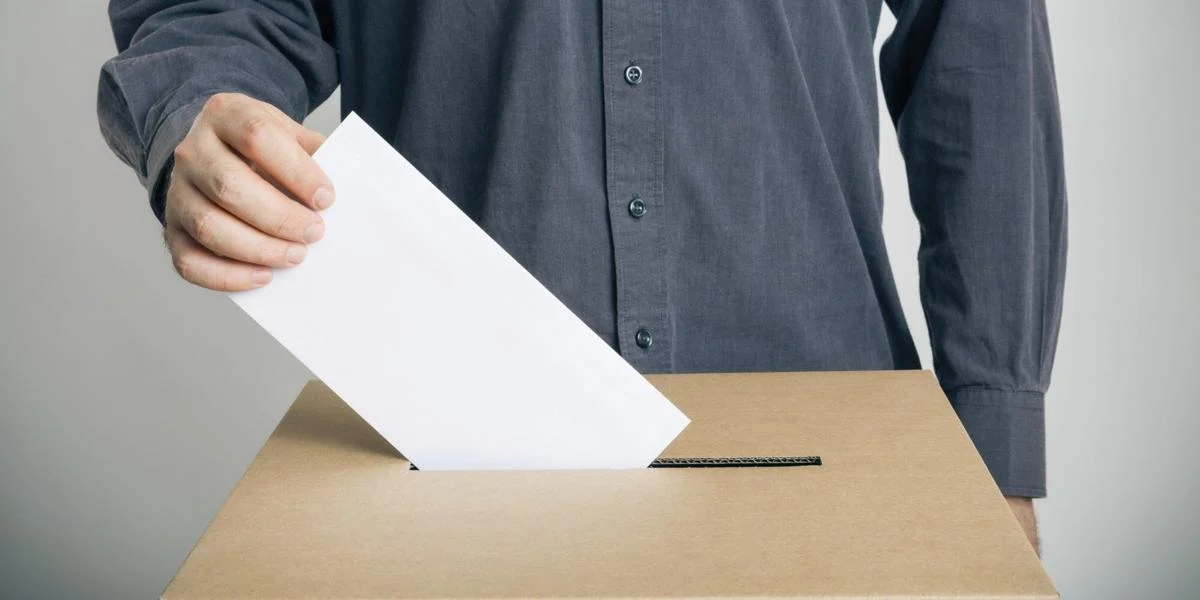
ONTARIO — Ontario voters will head to the polls on Oct. 26, 2026, to elect mayors, councillors, regional representatives and school trustees — officials whose decisions directly affect many everyday services.
Despite the importance of local government, voter participation remains low. In the 2022 municipal elections, only 32.9 per cent of eligible Ontario voters cast a ballot, meaning more than two-thirds stayed home.
Municipal governments oversee services residents use every day, including local roads, public transit, snow clearing, garbage collection, policing, fire protection, parks, recreation centres, libraries, water and wastewater services, land-use planning and building enforcement.
They also determine property tax rates and make decisions about how communities grow. Ontario municipalities collectively spend nearly $65 billion annually on public services and own or maintain close to $1 trillion in infrastructure.
Municipal councils are elected every four years and operate under provincial legislation. While municipalities handle local services, provincial and federal governments have separate responsibilities, with some areas — particularly housing and infrastructure — requiring cooperation among all three levels.
Property taxes are another major election issue. According to the Association of Municipalities of Ontario, Ontario’s property taxes averaged about $2,200 per person in 2022, the second-highest level in Canada.
With decisions ranging from potholes and buses to property taxes and neighbourhood development, the Oct. 26 election gives residents a direct opportunity to influence how their communities are governed for the next four years.