

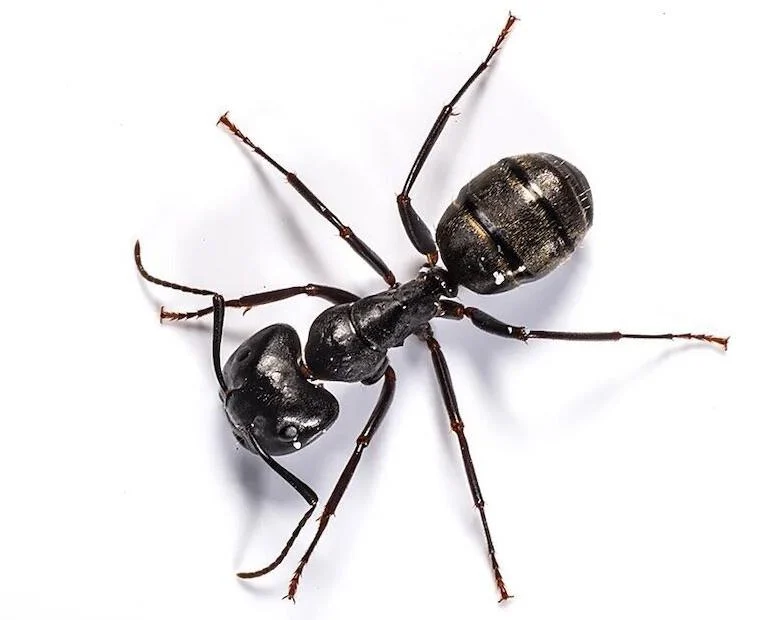
Ontario homeowners are being warned not to ignore spring ant infestations as warmer weather and increased moisture drive insects indoors searching for food, shelter and nesting spaces.
While many ant species are little more than a seasonal annoyance, pest control experts say some — especially carpenter ants — can quietly cause significant structural damage inside homes if left untreated.
Carpenter Ants Among Ontario’s Biggest Pest Concerns
Abell Pest Control says calls involving carpenter ants begin as early as February and increase rapidly during spring.
Jeff Bow explained that carpenter ants are among the most serious household pests found in Ontario.
“Most people understand that it is doing some damage. It’s not just a nuisance in their home,” Bow said.
Unlike termites, carpenter ants do not eat wood, but they tunnel through damp or weakened wood to build nests, hollowing out walls, beams and other structural areas.
Experts warn they are especially attracted to:
- Water-damaged wood
- Damp basements
- Patio door sill plates
- Roof leaks
- Older skylights with moisture issues
- Foam insulation systems
Carpenter ants are typically larger than common household ants and are usually black in colour.
Warning Signs Homeowners Should Watch For
Pest experts say homeowners should pay close attention to:
- Small piles of sawdust near walls or windows
- Tiny ant body parts or exoskeleton fragments
- Ant trails near kitchens, basements or patios
- Rustling sounds inside walls
- Cracks near foundations or windows
Another common spring species in Ontario is the pavement ant, which often nests under driveways, patios and interlocking stone. Though less destructive, they can still enter homes through very small foundation cracks.
Why Ant Problems Get Worse in Spring
Spring rain and warmer temperatures push ant colonies out of winter dormancy.
Tree branches touching roofs or walls can act like “highways” into homes, while damp areas around foundations provide ideal nesting environments.
Experts also warn that firewood piles stored near homes can unknowingly introduce ants indoors.
How to Reduce the Risk of Infestation
Experts and Health Canada recommend several preventative measures:
- Trim tree branches touching the home
- Seal cracks around doors, windows and utility lines
- Repair leaks and standing water near foundations
- Keep compost bins and firewood away from exterior walls
- Clean food spills quickly
- Empty garbage regularly
- Store sugary or greasy foods in sealed containers
- Avoid leaving pet food exposed
Health Canada also recommends using non-chemical prevention methods such as:
- Diatomaceous earth
- Sticky barriers
- Flooding outdoor nests with water
- Boiling water mixed with detergent for outdoor colonies
Why DIY Treatments Often Fail
Bow warned that homeowners often underestimate colony size.
“You could be killing 300,000 ants but there could be a million or more in the colony,” he explained.
Many ant control gels and bait products rely on worker ants carrying poisoned food back to the queen. If the queen survives, the colony usually continues growing.
Experts recommend hiring licensed pest-control professionals when dealing with carpenter ants or recurring infestations.
Homeowners are also advised to check that any insecticide products carry a valid PCP (Pest Control Product) number approved by Health Canada, and avoid purchasing unregulated products online from outside Canada.