

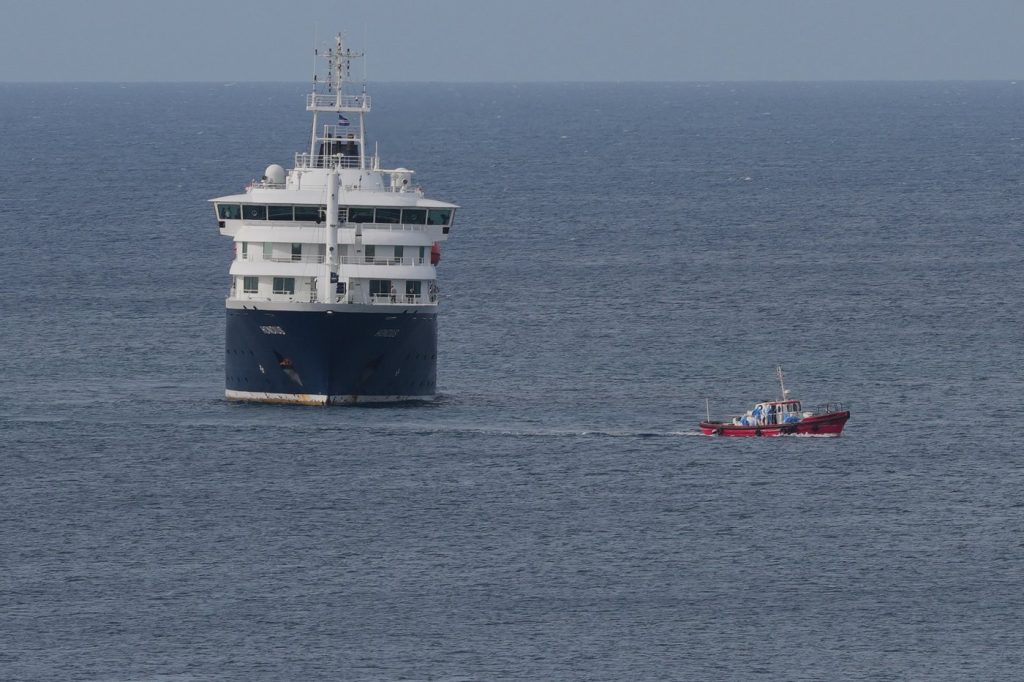
Ontario’s top doctor says the risk posed by the ongoing hantavirus outbreak linked to a remote expedition cruise remains low in Canada, even as health authorities continue closely monitoring exposed passengers, including two Ontario residents currently isolating at home.
Dr. Kieran Moore said the couple returned to Ontario after disembarking from the outbreak-linked cruise ship and have shown no symptoms since leaving the vessel.
The outbreak aboard the expedition cruise ship has drawn global attention after multiple infections and deaths were linked to a South American strain of hantavirus capable of limited human-to-human transmission.
Ontario Couple Under Daily Monitoring
According to Moore, the Ontario residents remain in good health and are being monitored daily by local public health officials as a precaution.
Officials are observing them for up to 45 days, considered the maximum known incubation period for this particular strain of hantavirus.
The monitoring period is being calculated from April 25, when the couple shared a flight from the remote South Atlantic island of St. Helena to Johannesburg with another infected individual.
Moore emphasized the pair has never shown symptoms and currently poses very low risk to the public.
What Is Hantavirus?
Hantaviruses are rare viruses typically spread from rodents to humans through exposure to contaminated droppings, urine or saliva.
Most strains do not spread easily between people. However, Moore explained that the South American strain involved in the cruise ship outbreak is one of the few known variants capable of limited person-to-person transmission.
Health officials stressed that the virus is well-known to scientists and public health agencies, particularly in parts of Argentina, where previous outbreaks have occurred.
Unlike COVID-19, hantavirus is not considered highly contagious and is not spreading rapidly within the general population.
No Vaccine, But Public Health Prepared
Moore acknowledged that there is currently no approved vaccine or standard treatment for hantavirus, although some experimental therapies may help reduce severe outcomes.
Ontario health authorities say lessons learned during the COVID-19 pandemic are helping officials respond more effectively through international communication, contact tracing, testing coordination and public information sharing.
“This is not COVID,” Moore stressed during the interview, adding that Ontario’s public health system is now highly experienced in managing infectious disease responses.
He also noted the outbreak is highly unusual due to its location aboard a cruise ship involving passengers from more than 20 countries travelling through remote international regions.
WHO Says Global Risk Remains Low
The World Health Organization has described the outbreak as a low-risk global event, though international monitoring continues.
Health officials worldwide are now collaborating on tracing passengers, sharing virus samples and studying the outbreak to better understand how the virus spread aboard the ship.
Ontario health officials say they remain prepared to respond quickly should any symptoms develop among monitored travellers, but continue to reassure residents that the risk to the broader public remains extremely low.