

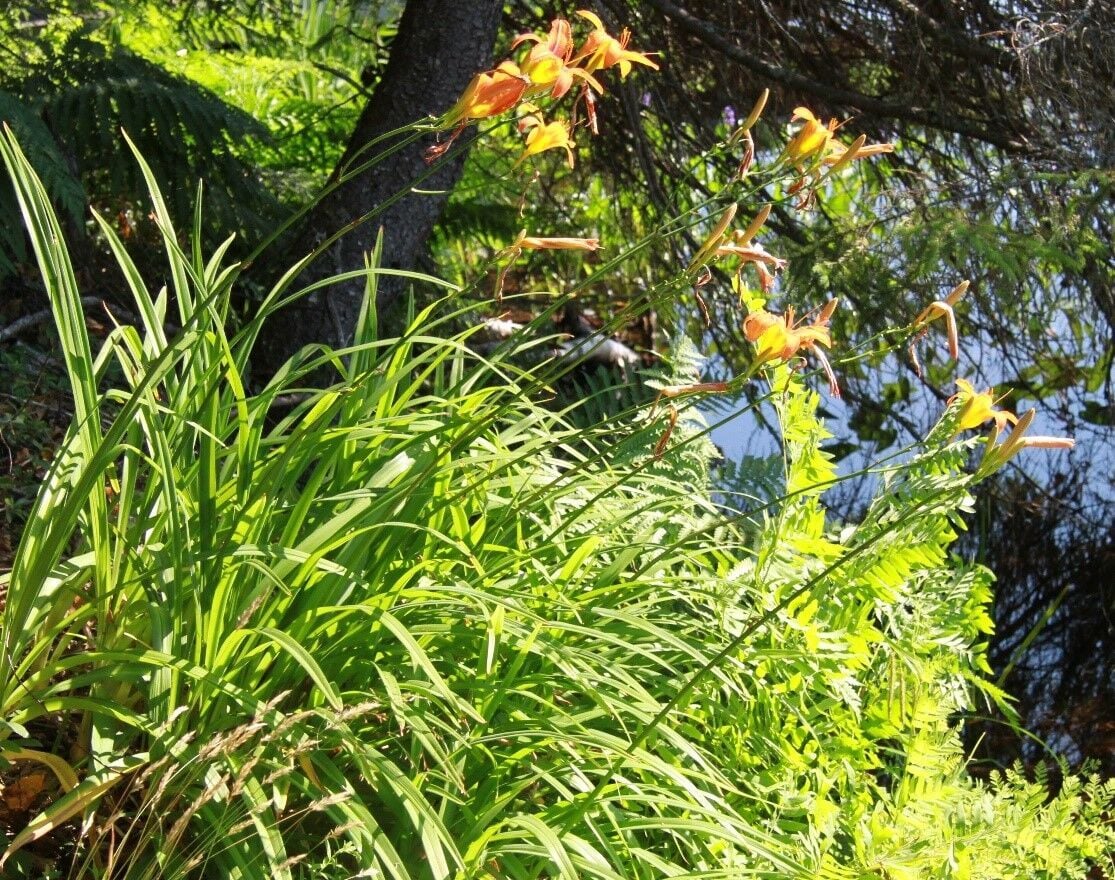
As Ontario gardeners prepare for the traditional Victoria Day weekend planting season, experts are warning that several popular garden plants commonly sold or shared between homeowners are actually invasive species that can damage local ecosystems.
Plants like Periwinkle, Lily-of-the-Valley, Daylily and Yellow Iris may appear attractive and easy to grow, but environmental experts say they can quickly spread beyond gardens and overwhelm native Ontario species.
Why Invasive Plants Are a Problem
Ontario’s Ministry of Natural Resources warns that invasive plants can:
- Disrupt local ecosystems
- Crowd out native wildflowers and grasses
- Harm pollinators and wildlife habitats
- Spread aggressively into forests, wetlands and shorelines
The Ontario Invasive Plant Council also warns that the buying and selling of invasive species remains one of the biggest ways these plants spread across the province.
Experts say many gardeners unknowingly introduce invasive species because they are widely available in garden centres and are marketed as hardy, low-maintenance plants.
Popular Garden Plants That Are Actually Invasive
Periwinkle
Known for its glossy green leaves and blue-purple flowers, periwinkle spreads rapidly as a ground cover and can overtake woodland environments.
Better native alternative: Wild geranium
Lily-of-the-Valley
This fragrant white flowering plant is highly poisonous and aggressively competes with native woodland plants.
Better native alternative: Starry Solomon’s seal
Daylily
The bright orange roadside daylily, introduced from Asia in the 1800s, has spread widely throughout Ontario.
Better native alternative: Michigan lily, which also attracts hummingbirds and butterflies.
Miscanthus
This tall ornamental grass forms dense clumps that are difficult to control and spread aggressively.
Better native alternative: Big bluestem grass
Invasive Trees and Shrubs Also Cause Problems
Gardeners are also being urged to avoid invasive landscaping trees and shrubs such as:
- Norway Maple
- Russian Olive
- Japanese Barberry
Instead, experts recommend native Ontario species including:
- Sugar maple
- Silver maple
- Native viburnums
- Witch hazel
How to Spot Potentially Invasive Plants
Experts say gardeners should be cautious when seed packets or plant labels include terms such as:
- “Fast spreading”
- “Aggressive”
- “Self-seeding”
Those descriptions may indicate invasive tendencies.
Gardeners are encouraged to:
- Research plants before purchasing
- Ask nursery staff whether species are native to Ontario
- Use Ontario invasive species resources and apps
Never Compost Invasive Plants
The province also warns homeowners never to place invasive plants into backyard compost bins.
Some invasive species can regrow from fragments as small as two centimetres, while seeds can survive composting conditions and spread further.
Instead, invasive plants should be:
- Sealed in plastic bags
- Left in the sun to dry out
- Disposed of in household garbage
Choosing Native Plants Helps Pollinators and Wildlife
Environmental groups say native plants provide major benefits for:
- Bees
- Butterflies
- Birds
- Local biodiversity
“When native species thrive in your garden, bees, birds and butterflies can blossom too,” Ontario’s Ministry of Natural Resources noted.
Gardeners can also report invasive plant sightings using the EDDMapS Ontario app or through the Ontario Federation of Anglers and Hunters invasive species hotline.