

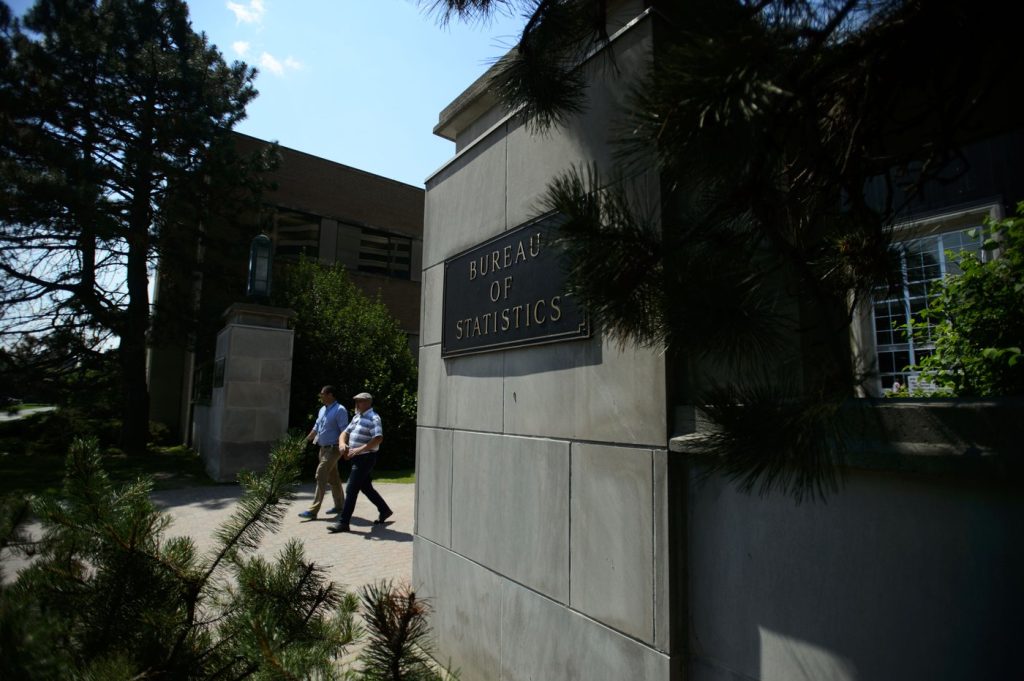
As some Canadians voice privacy concerns and political frustration over the 2026 national census, a Liberal member of Parliament is urging residents to complete their census forms, warning that refusing to participate could negatively impact local communities.
Mark Gerretsen, MP for Kingston and the Islands, said the census is essential for determining how governments allocate funding and services across the country.
“The census is not a personal data grab,” Gerretsen said in a video posted online. “It helps determine where schools, hospitals, transit systems and housing investments are needed.”
Canadians were asked to complete their census forms by May 12, although Statistics Canada describes that date as a “reference date” rather than a strict deadline.
Under the federal Statistics Act, completing the census is mandatory for all households and farm operators, with possible fines of up to $500 for non-compliance.
Despite that requirement, some Canadians have taken to social media to protest the census by posting images of ripped-up forms and envelopes marked “return to sender,” often accompanied by criticism of Prime Minister Mark Carney and the Liberal government.
Nina Koumoudouros of Brampton said she returned her census form as a protest against what she described as an “illegitimate majority government.”
“This is just a protest against Carney’s majority government gained without a general election,” she said, also expressing concerns about government privacy protections and recent floor-crossings by opposition MPs.
The Liberal government secured a majority after a series of byelection victories and multiple opposition members crossed the floor to join the Liberals since late 2025.
Gerretsen argued that refusing to complete the census ultimately harms communities rather than the federal government.
“When people refuse the census, they’re not sticking it to Ottawa. They’re sticking it to their own community,” he said.
He explained that census information helps governments plan for schools, hospitals, infrastructure projects, transit systems, housing needs and demographic changes such as aging populations and labour shortages.
According to Statistics Canada, three out of four Canadian households received the short-form census questionnaire focused on demographic information, while the remaining households received a more detailed long-form questionnaire that also gathers social and economic data.
Julien Abord-Babin said it is still too early to determine how many Canadians may refuse to complete the census, but early response rates appear consistent with previous census cycles.
The agency said reminder letters, phone calls and in-person visits may follow for households that do not respond.
Statistics Canada also stressed that census responses are protected under strict confidentiality laws.
André Loranger said all census information collected under the Statistics Act remains confidential and protected from unauthorized disclosure.
While the agency prioritizes voluntary compliance over penalties, repeat non-responders can ultimately be referred to the Public Prosecution Service of Canada for legal action.
Statistics Canada referred 47 cases after the 2016 census and 43 cases following the 2021 census for possible prosecution.