

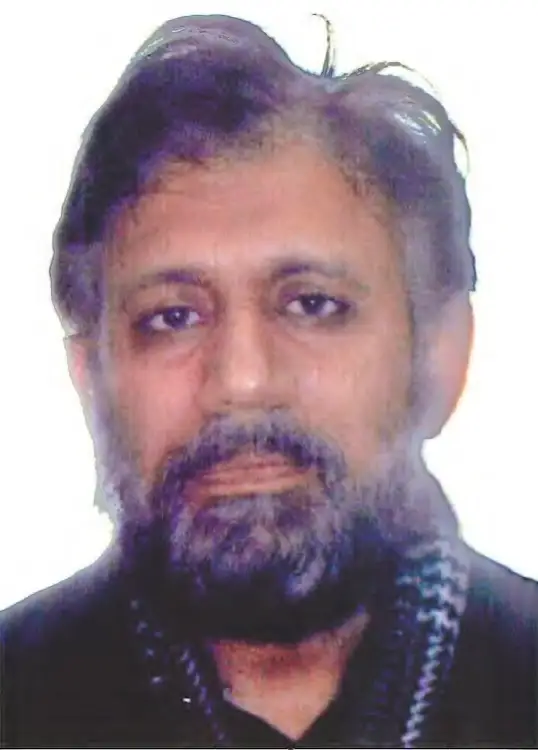
Canada’s long-running effort to revoke the citizenship of convicted terrorist Tahawwur Hussain Rana is raising serious questions about how the country handles cases involving citizenship fraud, national security and delayed accountability.
Rana, a former Pakistani army captain, became a Canadian citizen in 2001 after swearing the citizenship oath in Ottawa. But federal documents obtained by Global News allege he obtained that citizenship through “deception” by falsely claiming he lived in Canada when evidence later showed he was actually residing in Chicago.
According to government records, an RCMP investigation found that Rana listed Ottawa-area addresses on his citizenship application, but witnesses and neighbours later told investigators he had not lived at those locations. U.S. records also showed he owned properties and operated businesses in Chicago during the period he claimed to be residing in Canada.
Despite those findings, Rana received Canadian citizenship and a passport. Indian authorities allege he later used that passport to travel to Mumbai before the 2008 terrorist attacks that killed 166 people, including two Canadians.
Rana was arrested by the FBI in 2009 and later convicted in the United States for providing support to the terrorist group connected to the Mumbai attack. He was extradited to India in 2025, where he is now awaiting trial for his alleged role in the plot. He has denied wrongdoing in connection with the Mumbai attack.
Canada began examining whether Rana’s citizenship should be revoked more than a decade ago. The RCMP completed its investigation in 2012, and immigration officials recommended revocation in 2013. However, the case remains unresolved before the Federal Court.
A Global News review found that citizenship revocation cases in Canada often take more than 10 years, even when the government has significant evidence of fraud or misrepresentation.
Immigration lawyers say the process is slow because revoking citizenship is legally complex and must include strong procedural fairness safeguards. Legislative changes over the past decade have also forced some cases to be restarted or delayed.
Under current Canadian law, citizenship can generally be revoked only if it was obtained through fraud, false representation or concealment of material facts. The immigration minister or Federal Court must approve revocation.
The Rana case has intensified debate over whether Canada’s citizenship system is strong enough to identify fraud before citizenship is granted and whether the revocation process moves quickly enough in serious national security cases.
Critics argue that when citizenship is allegedly obtained through false information, particularly in cases tied to terrorism or war crimes, the process should not take decades.
Government officials say revocation remains rare and is handled carefully because citizenship is a serious legal status with major consequences.
Since 2024, Canada has revoked citizenship in about two dozen cases, while several others remain before the Federal Court. Officials also reviewed dozens of additional cases but decided not to proceed due to personal circumstances.
The case has been especially painful for survivors of the Mumbai attack. Canadian survivor Michael Rudder, who was shot multiple times during the attack, said he supports revoking Rana’s citizenship.
The controversy now leaves Canada facing two difficult questions: how someone accused of serious deception received citizenship in the first place, and why undoing that decision has taken so long.