

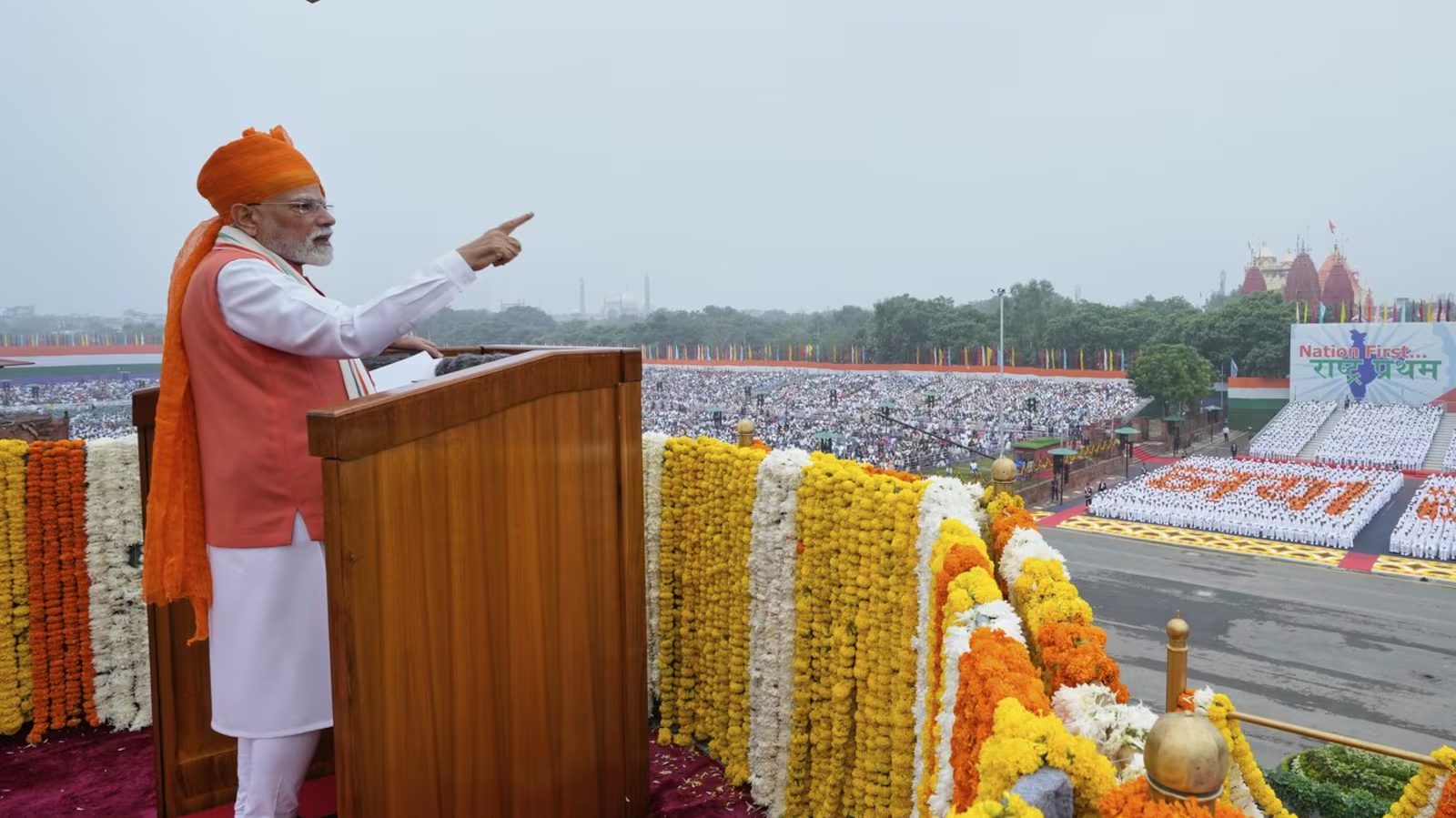
On India’s 78th Independence Day, Prime Minister Narendra Modi delivered a sharp warning to Pakistan, vowing that India will respond decisively to any future attacks. Speaking from the historic Red Fort in New Delhi, Modi said India has set a “new normal” that makes no distinction between terrorists and those who support them, rejecting what he called Islamabad’s long-standing “nuclear blackmail.”
The remarks come just three months after India and Pakistan endured their worst clashes in decades — four days of fighting sparked by the April massacre of 26 people, mostly Hindu tourists, in Indian-controlled Kashmir. India blamed Pakistan-backed militants and launched strikes on what it said were nine “terrorist infrastructure” sites. Pakistan retaliated with drone, missile, and artillery attacks, killing dozens on both sides before a U.S.-brokered ceasefire on May 10.
Modi also reiterated India’s suspension of the Indus Water Treaty, declaring that “blood and water will not flow together.” Pakistan has warned that any attempt to cut or divert river flows would be considered an “act of war.”
In his speech, Modi avoided direct reference to U.S. President Donald Trump’s new tariffs on India but stressed he would not compromise on protecting Indian farmers, a key domestic constituency. The U.S. recently imposed a 25 per cent penalty on India for purchasing oil and weapons from Russia, in addition to existing tariffs.
Modi further announced a “high-powered demographic mission” to address illegal migration, alleging a “conspiracy” to alter India’s population makeup through infiltration — remarks critics see as targeting Muslim immigrants from Bangladesh. His government has stepped up verification drives, detaining and deporting individuals without legal status.
Pakistan has yet to respond officially to Modi’s latest warning, but tensions between the two nuclear-armed rivals remain high as both sides continue to trade accusations and bolster military preparedness.