

Property Tax Hike on Table as Mississauga Rethinks Hospital Investment
Just months after declaring it couldn’t afford to support the construction of a multibillion-dollar hospital, the City of Mississauga is now considering a $390 million contribution to help build what will become Canada’s largest healthcare facility.
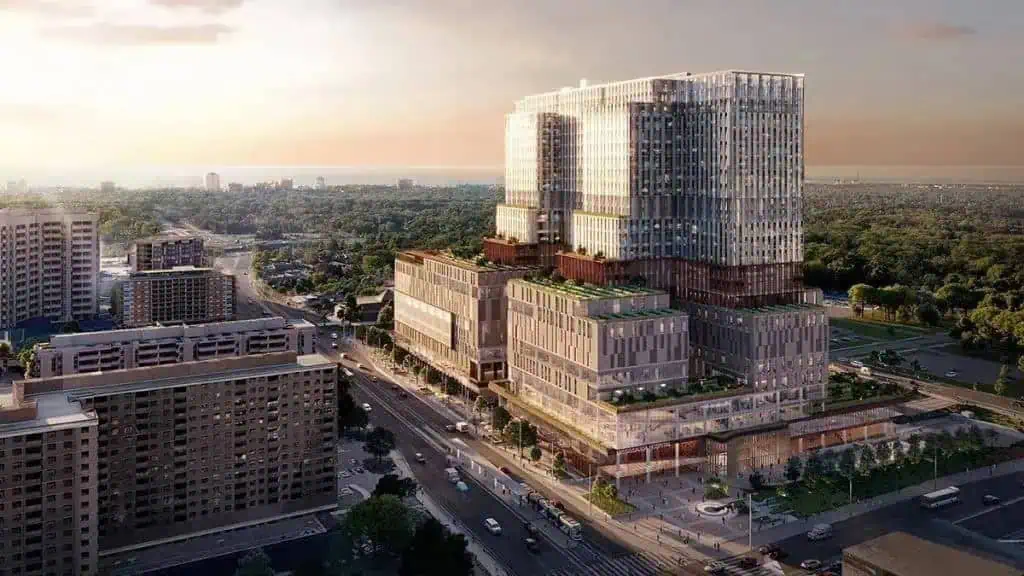
The funding would support the creation of The Peter Gilgan Mississauga Hospital, a state-of-the-art, 22-storey facility expected to open by 2033, replacing the existing hospital at Hurontario Street and The Queensway. Originally, Trillium Health Partners asked the city for $450 million toward the local share, but strong pushback from Mayor Carolyn Parrish and city council last October made it clear that burdening local taxpayers was off the table.
At that time, city officials cited budget pressures and fairness concerns, urging the province — already covering up to 85% of the cost — to pitch in more. Following further negotiations, the requested amount was reduced by $60 million.
Now, Mayor Parrish has introduced a motion to be debated this Wednesday, proposing Mississauga fund the $390 million through a hospital levy of up to 1% on property tax bills, phased in by 2033. Parrish emphasized that this compromise is a pragmatic step to keep the project on schedule and ensure critical healthcare infrastructure moves forward.
Trillium Health Partners, which manages the Mississauga and Credit Valley hospitals as well as the Queensway Health Centre, has already secured over $825 million in contributions through hospital resources and philanthropic donations. The hospital board must approve the city’s share by the end of this week to finalize the funding package.
The new hospital promises to transform health care in the region. It will add 950 beds, 23 operating rooms, 2,400 support staff, and 400 doctors. With 1.7 million patient visits expected each year, the facility will be Canada’s largest community-based teaching hospital, employing 3,000 workers during construction and injecting $1 billion into the local economy over the next decade.
Still, the proposed tax levy may spark renewed debate, especially among councillors who had previously rejected any taxpayer contribution. But with construction timelines looming and public pressure for better healthcare mounting, the tide at city hall may be turning.