

Fresh military strikes by the United States against targets in southern Iran have once again intensified fears of a broader regional conflict, even as diplomatic negotiations aimed at securing a long-term peace agreement continue behind the scenes.
According to United States Central Command (Centcom), American forces launched what they described as “self-defence strikes” Monday targeting Iranian missile sites and boats allegedly attempting to place naval mines near the strategically critical Strait of Hormuz.
U.S. officials said the operation was intended to protect American forces and maintain freedom of navigation through one of the world’s most important energy shipping corridors.
The strikes reportedly targeted areas near Bandar Abbas, a major Iranian port city and key naval base located along the Strait of Hormuz.
Iranian state media earlier confirmed explosions had been heard in the region and local authorities were investigating the incidents.
The latest military escalation comes at a delicate moment, as Washington and Tehran remain engaged in indirect negotiations aimed at extending the current ceasefire and reopening shipping routes disrupted during months of conflict across the Middle East.
Despite the strikes, U.S. Secretary of State Marco Rubio insisted a diplomatic agreement remains possible.
Speaking during a visit to India, Rubio confirmed additional talks are expected between Iran’s foreign minister and Qatar’s prime minister in an effort to advance negotiations.
Rubio emphasized that President Donald Trump remains committed to achieving a deal but warned that the United States will not tolerate threats to international shipping through the Strait of Hormuz.
“The straits have to remain open,” Rubio stated, calling disruptions to maritime traffic unlawful and unsustainable for the global economy.
The Strait of Hormuz carries approximately one-fifth of the world’s oil and liquefied natural gas supplies, making it one of the most strategically sensitive waterways on Earth.
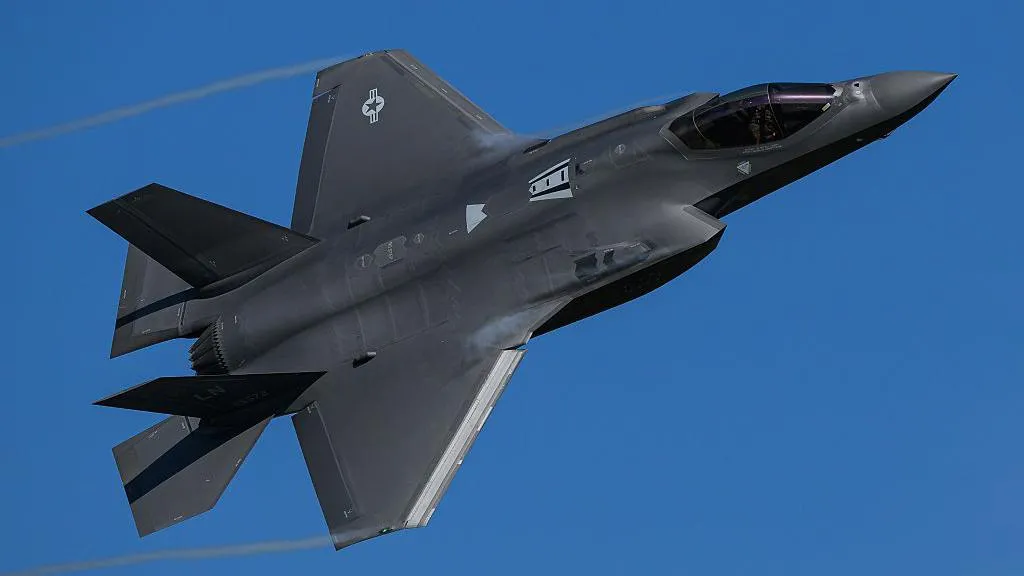
Iran’s Islamic Revolutionary Guard Corps (IRGC) responded Tuesday by claiming it had downed a U.S. drone and fired upon another drone and fighter aircraft allegedly entering Iranian airspace.
Iranian officials further warned that Tehran reserves what it called a “legitimate and definite” right to retaliate against any future violations of the ceasefire agreement.
Iran’s new Supreme Leader Mojtaba Khamenei also issued a sharply anti-American message Tuesday, declaring that the Middle East “will no longer serve as shields for U.S. bases.”
Khamenei, who succeeded his late father earlier this year after he was killed during Israeli strikes at the beginning of the war, has remained largely out of public view amid ongoing regional instability and security concerns.
According to U.S. intelligence reports cited by American media, Khamenei is believed to be operating from an undisclosed secure location, complicating communications between Tehran’s leadership and negotiators involved in the peace talks.
The latest negotiations reportedly focus on extending the existing 60-day ceasefire, reopening the Strait of Hormuz and establishing a framework for broader discussions surrounding Iran’s nuclear program, sanctions relief and regional security arrangements.
However, major disagreements remain unresolved.
Among the most contentious issues are U.S. demands for limits on Iran’s uranium enrichment program and the future release of frozen Iranian assets currently restricted under international sanctions.
The International Atomic Energy Agency estimates Iran possessed approximately 440 kilograms of uranium enriched to 60 per cent purity at the beginning of the conflict — a level technically close to weapons-grade enrichment.
Trump stated Monday night that Iran’s enriched uranium stockpile must either be surrendered immediately to the United States or destroyed under international supervision.
The current Middle East crisis began after the United States and Israel launched major coordinated strikes against Iranian targets on Feb. 28, triggering retaliatory attacks by Iran against Israel and U.S.-aligned Gulf states.
Iran subsequently imposed restrictions in the Strait of Hormuz, causing major disruptions to global oil markets and raising fears of a broader regional war.
Although a ceasefire has technically remained in place since early April, sporadic military incidents and growing tensions continue threatening the fragile negotiations.
Analysts warn that while diplomatic discussions are ongoing, the situation remains extremely volatile, with any new military confrontation potentially capable of reigniting a wider conflict across the Middle East and further destabilizing global energy markets.