

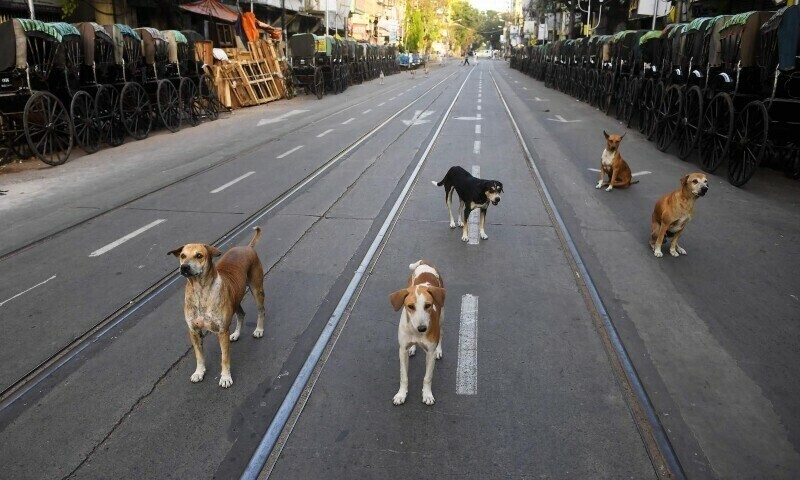
New Delhi — India’s Supreme Court on Friday revised its controversial order on stray dogs, directing that those recently picked up from the streets of Delhi and its suburbs be released after sterilisation and vaccination, following a wave of public outcry from animal rights groups and citizens.
Earlier this month, the court had ruled that all stray dogs in the capital region be moved into shelters after a surge in reported dog bites and rabies cases. The decision was met with fierce resistance from activists who argued it was unworkable due to the shortage of shelters, and inhumane given India’s long-standing sterilisation-and-release approach. Protests erupted in several cities, with online petitions gathering momentum and politicians across party lines weighing in.
Opposition leader Rahul Gandhi called the original ruling a “step back from decades of humane, science-backed policy,” while veteran activist and former minister Maneka Gandhi welcomed the revised order as a “scientific decision” that recognises the importance of returning sterilised dogs to their communities.
Under the court’s new directive, only animals showing aggressive behaviour or signs of rabies will remain confined, though the judges did not define what constitutes an “aggressive dog,” leaving some ambiguity. The bench also instructed authorities to establish designated zones for public feeding of stray dogs to reduce conflicts in residential areas.
The case will now be expanded nationwide, with the top court announcing its intention to draft a uniform policy on managing India’s estimated 52.5 million stray dogs. Delhi alone is believed to have nearly one million.
The scale of the issue remains stark: government data shows nearly 430,000 dog bite cases were recorded in January 2025 alone, compared to 3.7 million in all of 2024.
Animal rights group PETA India welcomed the ruling, thanking the court “on behalf of the community dogs we serve,” while urging the public to adopt dogs and support sterilisation drives as the most humane solution.