

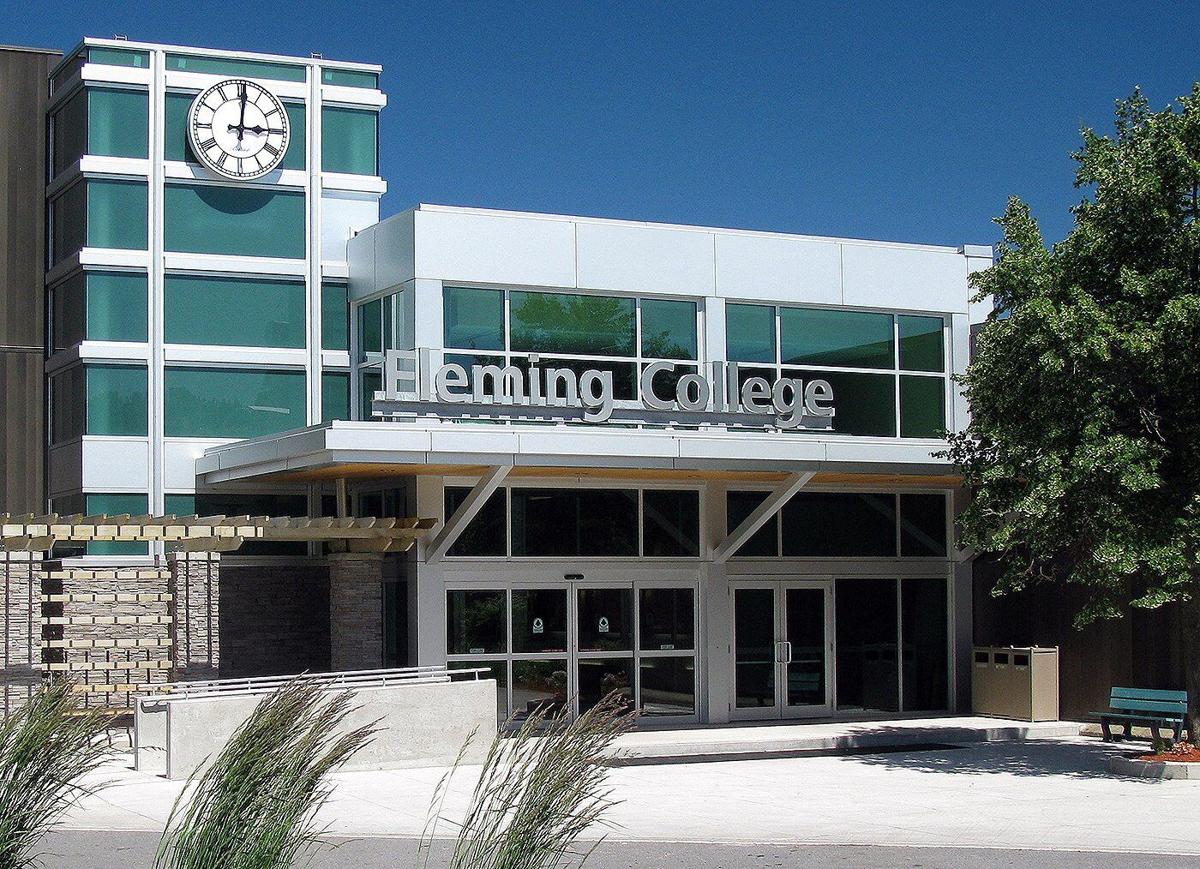
In a landmark move that could reshape Ontario’s post-secondary landscape, St. Lawrence College and Fleming College have agreed to merge—marking the first voluntary union of colleges in the province’s history. The decision comes at a critical time, as institutions grapple with financial pressures, program cuts, and shifting student demand across the education sector.
The merger will see both colleges retain their names, campuses, and community identities, while operating under a single administrative structure. Leaders from both institutions are positioning the move as a strategic partnership designed not only to stabilize finances but also to expand academic offerings and improve access for students.
At the centre of the transition is Glenn Vollebregt, who will take on the role of president and CEO of the new entity, alongside Theresa Knott as associate president and chief academic officer. Together, they aim to build a unified system that leverages the strengths of both colleges while responding to the evolving needs of students and local communities.
For students, the impact could be immediate and meaningful. By combining resources, the institutions expect to significantly broaden program options, including access to specialized courses, online learning opportunities, and career-focused training that may not have been available at individual campuses. The merger is being framed as a direct response to recent program suspensions, which have affected dozens of courses and thousands of students across Ontario.
Despite the scale of the change, officials emphasize that there are no plans to close regional campuses or eliminate student services. Instead, the goal is to create a more resilient and flexible system—one that can better withstand financial challenges while continuing to serve over 12,000 full-time students across multiple communities.
The move reflects broader pressures facing Ontario’s college system. Declining international student numbers, funding constraints, and rising operational costs have forced institutions to rethink traditional models. Mergers, once considered unlikely, are now emerging as viable solutions to ensure long-term sustainability.
For communities across the province, including fast-growing regions like the Greater Toronto Area, the development signals a shift toward collaboration over competition in higher education. It also raises important questions about how institutions can maintain local identity while adapting to economic realities.
As consultations begin and the integration process moves forward, this historic merger may set the stage for similar partnerships across Ontario. In an era of change, the message is clear—survival and success in education may increasingly depend on working together.