

Ontario Leaders, Industry Experts Decry Latest U.S. Trade Measures
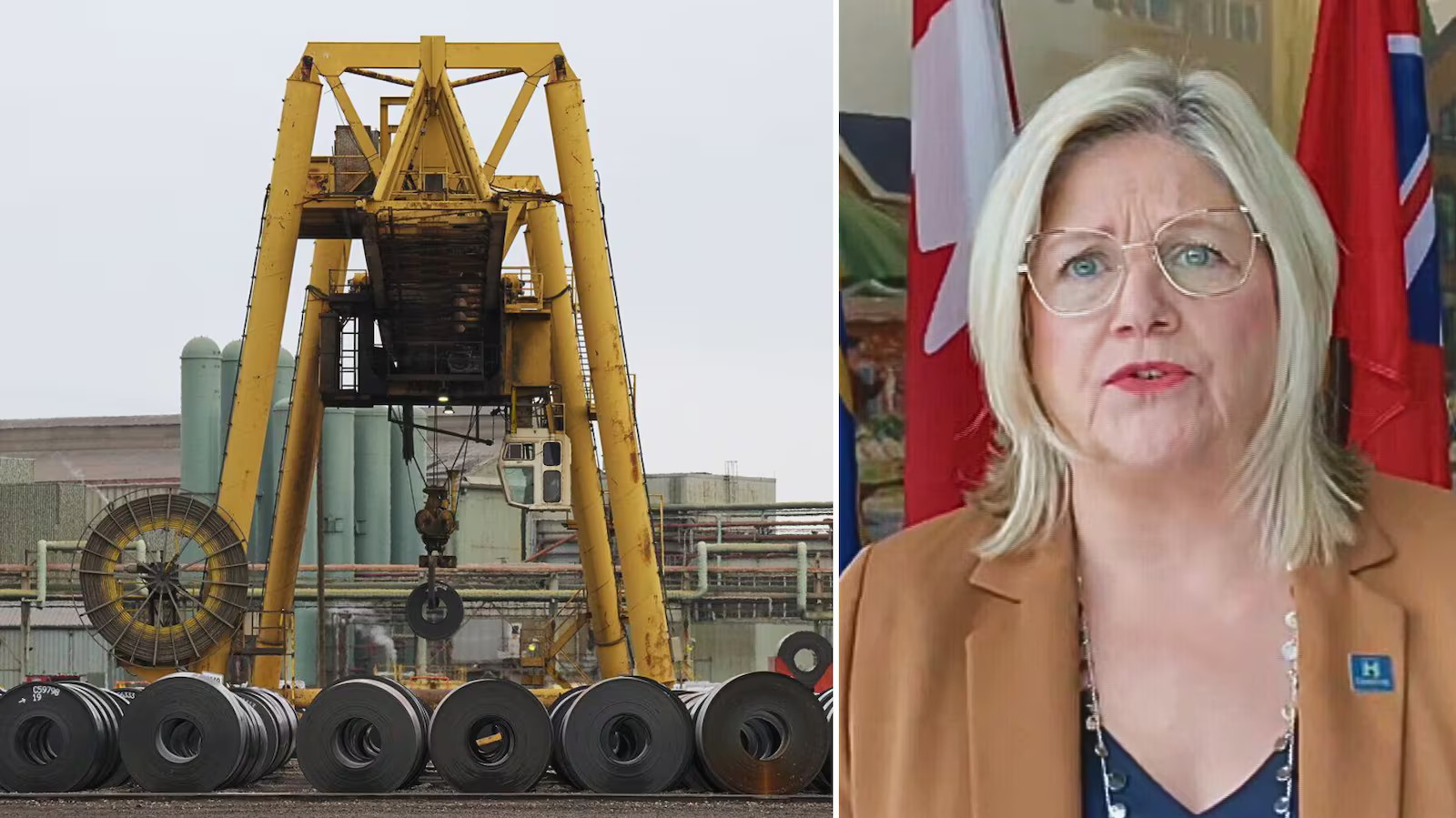
Hamilton Mayor Andrea Horwath has condemned U.S. President Donald Trump’s decision to impose a 25 per cent tariff on Canadian steel and aluminum, warning that the move could be catastrophic for the city’s economy and thousands of workers.
“This will be devastating for Hamilton,” Horwath said in an interview with CP24 on Monday. “People are worried about their jobs, their families, and their ability to make ends meet.”
Hamilton is home to Canada’s largest steel production sector, with major employers ArcelorMittal Dofasco and Stelco supporting nearly 6,000 local jobs. The tariffs, which take effect on March 4, are expected to deliver a nearly $1 billion hit to the city’s economy.
Horwath said she has been in discussions with the federal government and supports retaliatory measures.
“We can’t just sit back and let the President of the United States devastate our economy,” she stated. “I support fighting back against these tariffs in whatever way necessary to protect Canadian industries.”
The mayor also warned that beyond steel, the economic ripple effects of the tariffs could hit local businesses, manufacturing, and supply chains that depend on steel production.
Ontario Premier Doug Ford echoed Horwath’s concerns, calling the tariffs “totally unnecessary”
“These tariffs are going to hurt both countries, mark my words,” Ford said. “Retaliation isn’t something we want to do, but if necessary, we will. And when we do, Americans will feel the pain. And for what reason?”
Ford said he has spoken with the CEOs of Stelco and ArcelorMittal Dofasco about the potential fallout but will wait for Trump’s official announcement before determining Ontario’s next steps.
The United Steelworkers of Canada (USWOC) released a statement calling Trump’s move a direct attack on workers and local communities.
“We’ve been through this before, and we know these kinds of reckless trade measures don’t work,” the statement read. “They destabilize industries, hurt workers, and create uncertainty across the economy on both sides of the border.”
The USWOC noted that $20 billion worth of steel is traded between Canada and the U.S. annually, and these tariffs could disrupt supply chains in both countries.
As concerns grow over the economic impact of the tariffs, Toronto City Councillor Brad Bradford is proposing a 25 per cent property tax cut for nearly 3,500 industrial businesses and 30,000 small businesses across the city.
Speaking at Leland Industries in Scarborough, Bradford said his motion aims to support businesses hit by rising costs due to Trump’s tariffs.
“The best way to protect ourselves against this threat is to make Toronto the most attractive city in the world to build a business,” said Bradford. “Lowering taxes will make Toronto more competitive with the U.S. and give our businesses a fighting chance.”
Bradford’s proposal, which seeks to expand Toronto’s Small Business Property Tax Subclass, would amend Mayor Olivia Chow’s budget, which city council will consider on Tuesday.
Chow acknowledged the need for a measured response but cautioned that Toronto must strategically assess the tariffs’ impact before taking action.
“We have to be very strategic because it’s going to be a chaotic four years,” Chow said. “We need to know precisely what we are reacting to and target our support in the most intelligent way.”
With Hamilton, Ontario, and national leaders raising concerns, all eyes are on how the federal government will respond to Trump’s tariffs. As tensions rise, industry leaders warn of supply chain disruptions, job losses, and higher costs for consumers.
While Canada weighs its next move, one thing remains clear: the economic fallout from these tariffs will be felt far beyond Hamilton’s steel mills.