

OTTAWA — The federal government has officially launched its early retirement incentive program for public servants, a key measure aimed at reducing the size of Canada’s public workforce while minimizing layoffs.
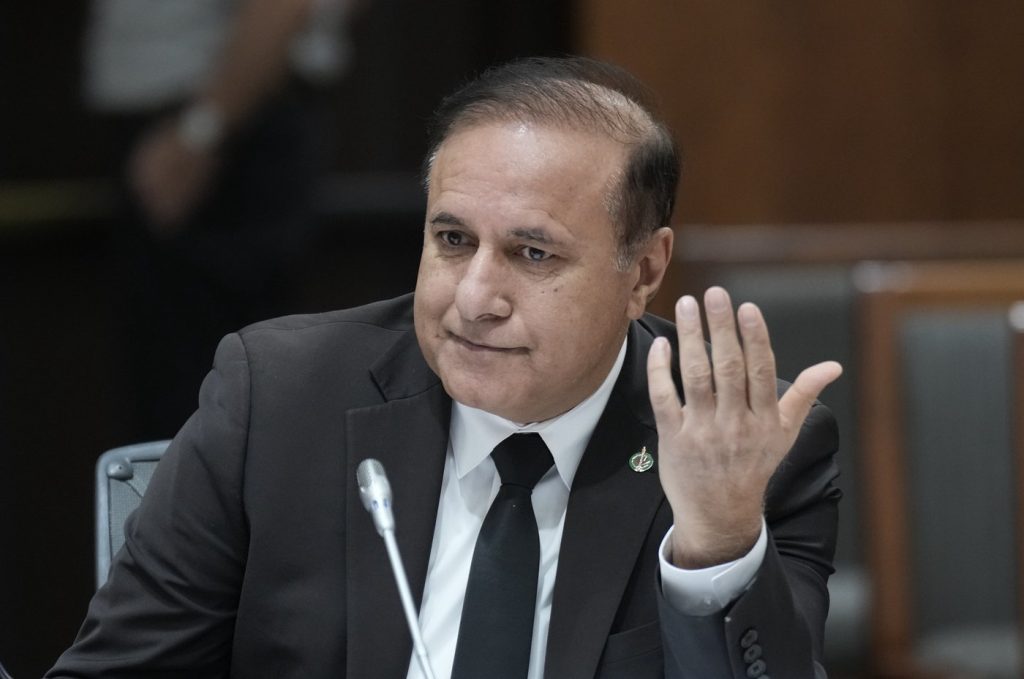
The program, introduced under legislation known as Bill C-15, allows eligible employees to retire early without facing pension penalties, offering what Shafqat Ali described as “clarity and predictability” for workers considering retirement.
Ali, who serves as President of the Treasury Board, said the initiative is part of a broader strategy outlined in the 2025 federal budget to reduce the public service through voluntary departures rather than forced job cuts.
The government aims to shrink the federal workforce by 10 per cent by 2028–29, bringing it down to approximately 330,000 employees from a peak of nearly 368,000.
The early retirement program is open to public servants as young as 50 years old who have at least 10 years of service and meet minimum pension requirements. Successful applicants will receive an immediate pension based on their years of service, with no early-exit penalties.
The application portal opened this week after months of delay, following the passage of the budget implementation legislation through Parliament.
The federal government estimates the program will cost $1.5 billion over five years, but projects annual savings of about $82 million, largely through reduced pension contributions and workforce costs.
Officials say the approach prioritizes attrition and voluntary exits, aiming to protect younger employees from layoffs while gradually reducing overall staffing levels.
However, the program has drawn criticism from labour groups. The Public Service Alliance of Canada has filed a grievance, arguing the rollout bypasses proper consultation and may conflict with collective agreements.
Union president Sharon DeSousa said while early retirement options are not opposed in principle, they must be implemented in a way that is “negotiated, lawful and protects workers’ rights.”
Despite the pushback, the government maintains the program is a necessary step toward long-term fiscal sustainability, as it seeks to balance workforce reduction with stability and fairness for public servants.
The initiative is expected to play a central role in shaping the future of Canada’s federal workforce over the coming years.