

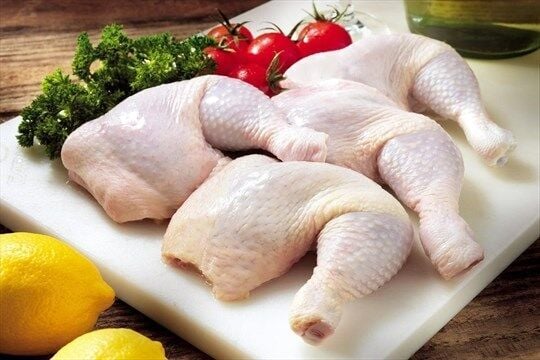
For generations, many home cooks have rinsed raw chicken before preparing it, believing the practice makes the meat cleaner and safer. But according to Ontario food safety expert Keith Warriner, washing poultry is one kitchen habit that should be abandoned.
Warriner, a professor of food science at the University of Guelph, says rinsing raw chicken does not remove harmful bacteria. Instead, splashing water can spread dangerous pathogens such as Salmonella and Campylobacter onto sinks, countertops, utensils and nearby foods, increasing the risk of food poisoning.
These bacteria are responsible for many cases of gastrointestinal illness, causing symptoms such as vomiting, diarrhea and fever. While most people recover, infections can lead to serious complications, particularly among young children, older adults and individuals with weakened immune systems.
Health Canada and the U.S. Centers for Disease Control and Prevention both advise against washing poultry, emphasizing that thorough cooking—not rinsing—is what makes chicken safe to eat. Harmful bacteria are destroyed when poultry reaches an internal temperature of 74°C.
Warriner says the tradition of washing chicken dates back decades, when poultry often contained traces of feathers and blood spots. Although modern processing methods have largely eliminated those issues, the habit has been passed down through generations.
He warns that undercooking and cross-contamination are among the biggest food safety risks associated with poultry. Improper cooking, especially on barbecues and in air fryers, can leave bacteria alive inside the meat. Cross-contamination can occur when raw chicken juices come into contact with cutting boards, knives, fruits, vegetables or cooked foods.
Proper handwashing after handling raw poultry is also essential. Warriner advises treating raw chicken with extreme caution and ensuring that it is stored on the bottom shelf of the refrigerator to prevent juices from dripping onto other foods.
Defrosting poultry improperly can also be dangerous. Leaving chicken on the counter or in a warm garage can encourage the growth of bacteria that produce toxins capable of causing illness. Defrosting in the refrigerator or in cold water inside a dedicated container is a much safer option.
When cleaning up, Warriner recommends using diluted bleach solutions or a dishwasher, which sanitizes with high heat. Popular home remedies such as vinegar and baking soda may create fizz, he says, but they do little to eliminate harmful microbes.
His overall advice is simple: cook, clean, separate and control temperatures.
And when it comes to washing raw chicken, the verdict from food safety experts is clear—skip the sink and let the heat do the work.