

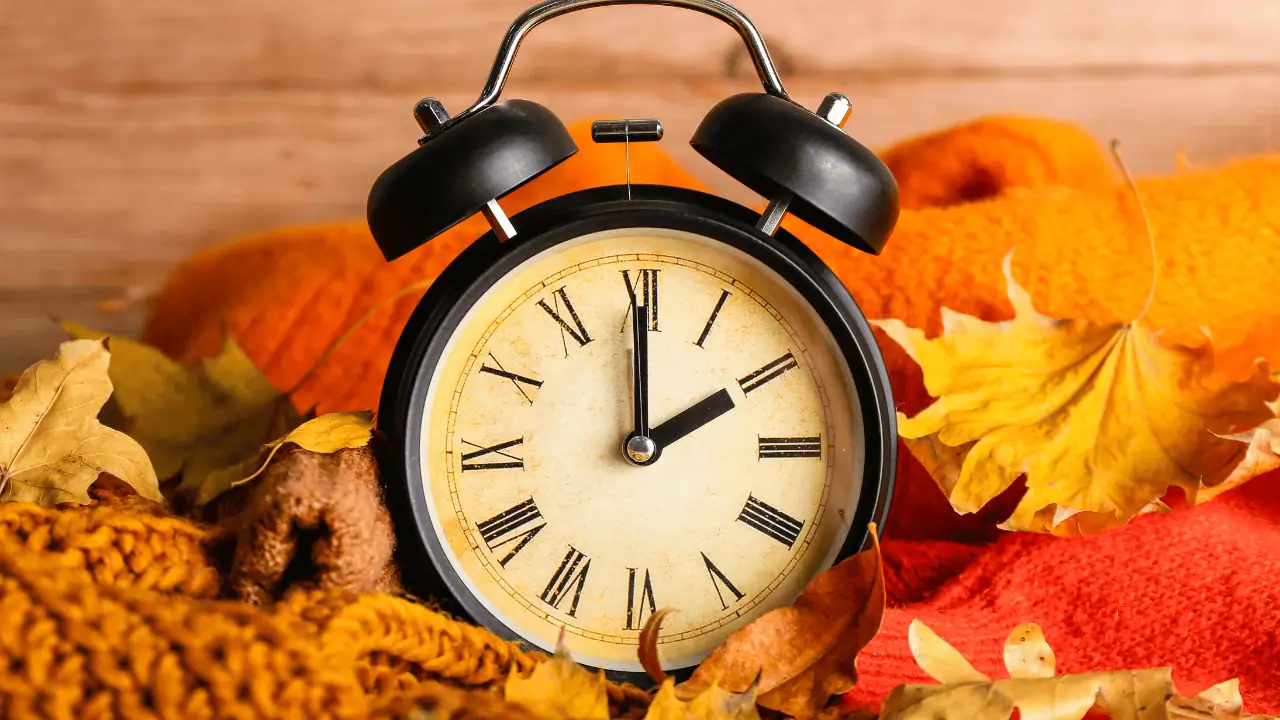
Residents across Ontario — including Brampton, Caledon, Durham, Halton, Hamilton, Mississauga, Niagara, and Toronto — should prepare to turn their clocks back soon, as daylight saving time comes to an end earlier than usual this year.
The time change will officially take place at 2 a.m. on Sunday, November 2, 2025, when clocks will be set back one hour. This marks the annual return to standard time, bringing brighter mornings and earlier sunsets as Canada heads into the winter months.
This year’s end to daylight saving time falls on the second-earliest possible date, with November 1 being the earliest. In 2024, the clock change occurred on November 3. Looking ahead, daylight saving time will end on November 1 in 2026 and on November 7 in 2027.
While many devices adjust automatically, residents are reminded to manually update traditional clocks, including those on walls, ovens, microwaves, and vehicles, to avoid confusion on the morning of the change.
The fall time change often brings the promise of an extra hour of sleep, but experts caution that it can also affect health and safety. Research from Johns Hopkins has shown that the adjustment can temporarily increase stress levels, disrupt sleep patterns, and lead to a short-term rise in car accidents.
In 2020, Ontario passed the Time Amendment Act, paving the way to make daylight saving time permanent. However, the legislation has not been enacted, as the province awaits similar moves from Quebec and New York State to ensure consistency across borders.
For now, most of Canada — including Ontario — continues to observe the biannual clock change. Yukon, most of Saskatchewan, and parts of British Columbia and Quebec remain on standard time year-round.
Residents are encouraged to plan ahead for the time change to avoid disruptions to schedules, particularly for morning commutes and appointments following the switch.