

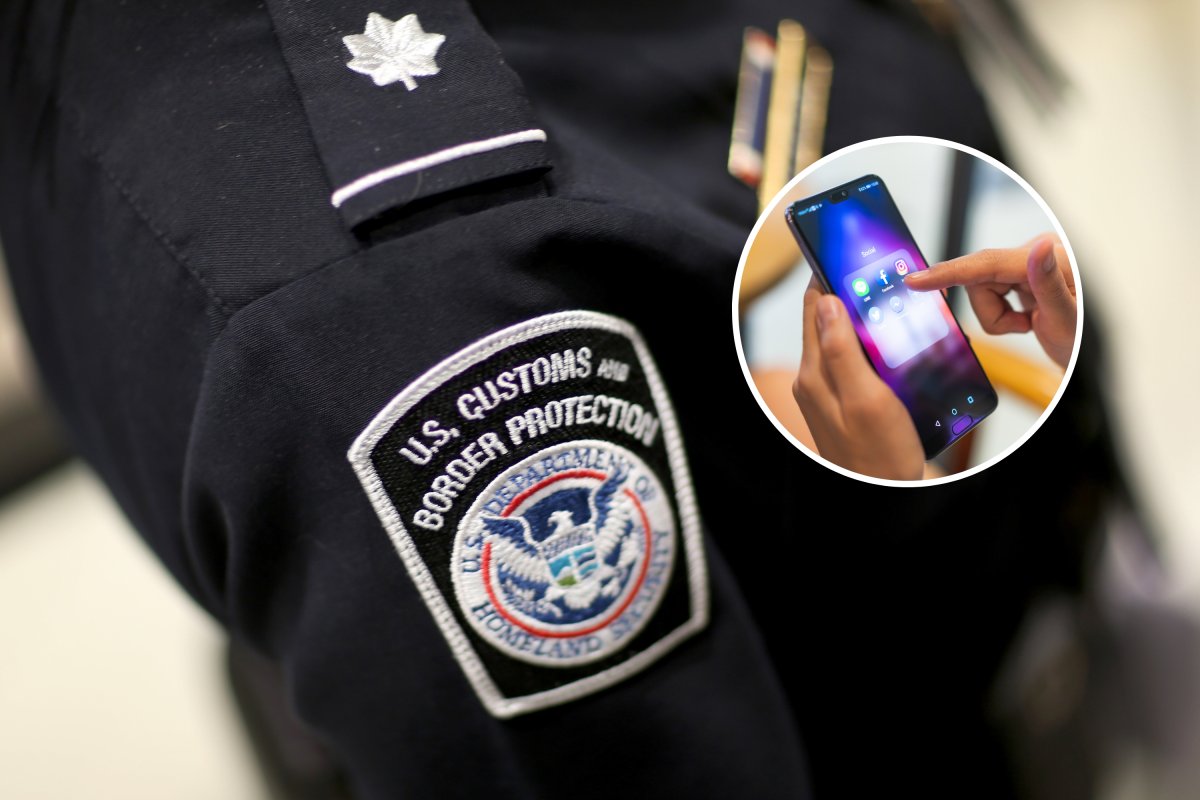
A growing number of Canadians are expressing concern over reports of travellers being detained, denied entry, or scrutinized at U.S. border crossings—often due to political content posted online or increased device inspections by U.S. Customs and Border Protection (CBP).
Recent high-profile cases, including that of a French scientist denied U.S. entry for alleged “hateful messages” and a Canadian entrepreneur detained for nearly two weeks, have fueled anxieties about privacy and freedom of expression. These concerns have prompted many Canadians, including academics and business professionals, to pause or cancel their travel plans to the U.S.
Immigration experts, however, emphasize that while these fears are understandable, U.S. border agents have long held the legal authority to search phones, laptops, and other electronic devices at ports of entry.
“Going to the U.S. is a privilege, not a right,” said Benjamin Green, senior associate at Green and Spiegel law firm. “They can legally search your devices and question you, especially if there are other red flags in your background.”
According to CBP, fewer than 0.01% of international travellers were subjected to device searches in 2024 — approximately 47,000 out of 420 million entries. The agency claims these searches are used to combat terrorism, child pornography, and drug smuggling.
Yet, immigration lawyers report a spike in concern from clients. “I’ve had people with green cards for 30 years asking if they’ll have a problem,” Green said. “People are genuinely worried.”
Len Saunders, an immigration lawyer based in Washington State, noted, “There’s no right to legal counsel at the border. If you’re not willing to be inspected, you can withdraw your application to enter — but that also means you won’t be allowed in.”
The concern is reflected in the numbers. Statistics Canada reports a 23% decline in Canadians returning from the U.S. in February compared to last year, citing unease over U.S. policies and enforcement practices.
Experts recommend travellers use pre-flight clearance facilities at Canadian airports, which may offer more clarity and less risk before entering U.S. territory. Still, many are calling for greater transparency and respect for civil liberties at the border.
With diplomatic relations strained and recent U.S. policy changes impacting immigration and border enforcement, Canadians are advised to remain informed and exercise caution when traveling to the United States.