

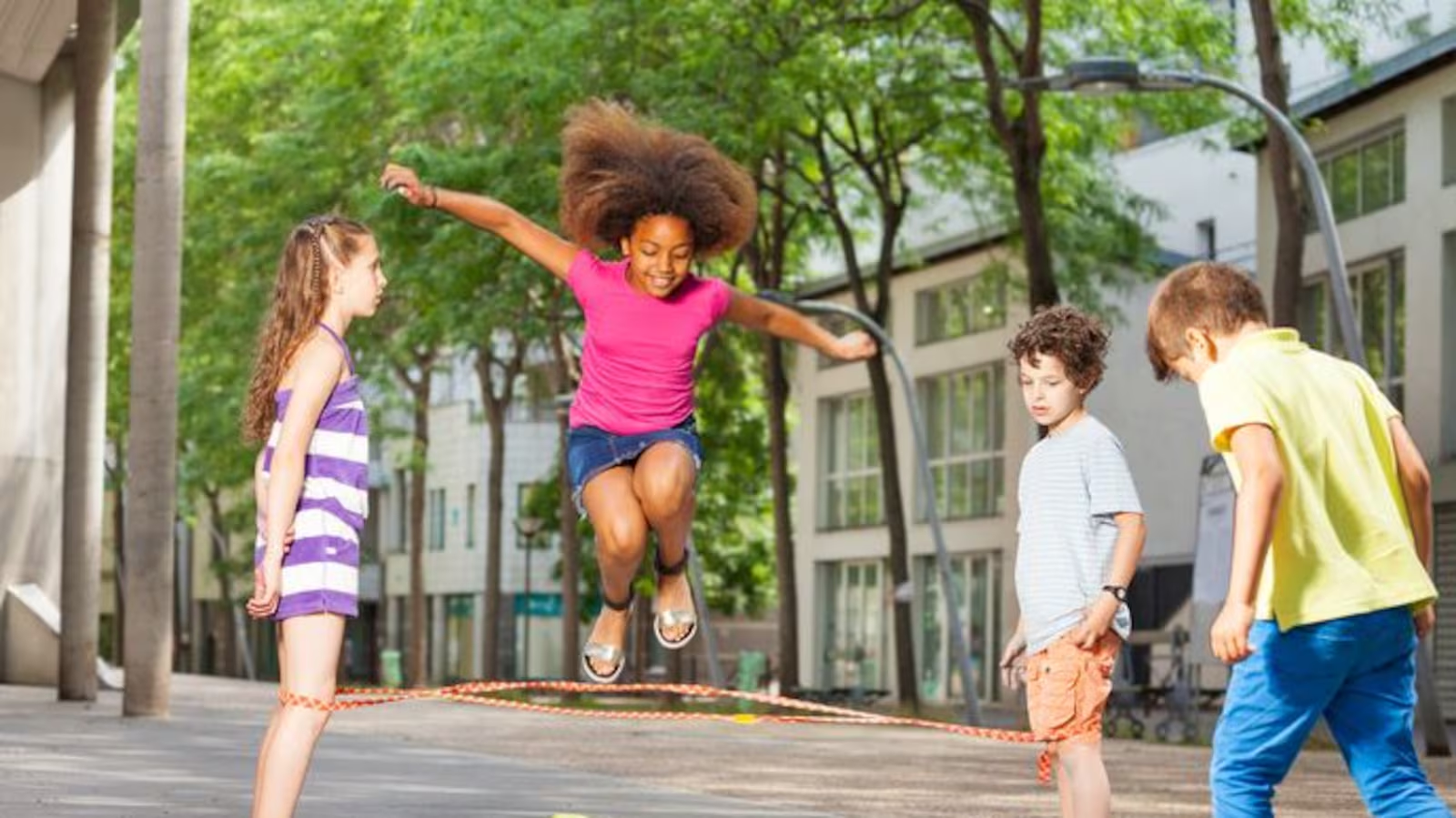
As the world observes the United Nations International Day of Play, child development experts and advocates are sounding the alarm over a troubling trend: children are spending significantly less time engaged in free, unstructured play than previous generations, raising concerns about the long-term effects on their physical, emotional, and social well-being.
According to children’s advocates, modern lifestyles, increasing screen time, social media, digital technology, and artificial intelligence are changing the way young people spend their free time. While technology offers many benefits, experts warn that it is increasingly replacing the spontaneous outdoor activities and imaginative play experiences that have traditionally been essential parts of childhood.
Recent consultations involving approximately 10,000 children revealed several barriers preventing children from playing regularly. Many reported that busy schedules leave them with little free time, while others said they lack safe places to play or do not have friends or companions with whom they can engage in recreational activities.
Child development specialists emphasize that play is much more than entertainment. Through play, children learn problem-solving skills, creativity, communication, teamwork, resilience, and emotional regulation. Unstructured play, in particular, allows children to develop independence and confidence while exploring the world around them at their own pace.
Experts say the decline in outdoor and imaginative play is contributing to concerns about children’s mental health, physical fitness, and overall development. Time spent running, climbing, exploring, and interacting with peers helps strengthen motor skills, social abilities, and emotional well-being. Without these opportunities, children may miss important experiences that support healthy growth.
In response to these concerns, some communities are creating programs designed to reconnect children with nature and outdoor activities. Forest schools, nature-based learning programs, and outdoor play initiatives are gaining popularity across Canada as parents seek alternatives to screen-centered lifestyles.
These programs encourage children to spend time outdoors exploring natural environments, climbing trees, building forts, observing wildlife, and engaging in creative free play. Educators and health professionals involved in such initiatives report positive outcomes, including improved confidence, better physical coordination, stronger social skills, and reduced stress.
Advocates argue that today’s children often have fewer opportunities for independent outdoor play than earlier generations due to increased safety concerns, structured schedules, and growing reliance on digital entertainment. As a result, many experts believe communities need to make a conscious effort to restore opportunities for children to play freely and safely.
Organizations working with children in Canada and internationally also point to the broader social benefits of play. Beyond supporting healthy childhood development, play can promote inclusion, build friendships, encourage gender equality, strengthen communities, and help children overcome challenges related to poverty, conflict, displacement, or social isolation.
Former athletes, educators, and youth leaders involved in play-based programs say they have witnessed firsthand how simple activities such as soccer, games, and outdoor exploration can boost confidence, create a sense of belonging, and help children develop valuable life skills.
As awareness grows around the importance of play, experts are encouraging parents, schools, municipalities, and community organizations to prioritize opportunities for children to spend time outdoors, engage with friends, and enjoy unstructured activities. They argue that protecting children’s right to play is not merely about recreation—it is an investment in healthier, happier, and more resilient future generations.