

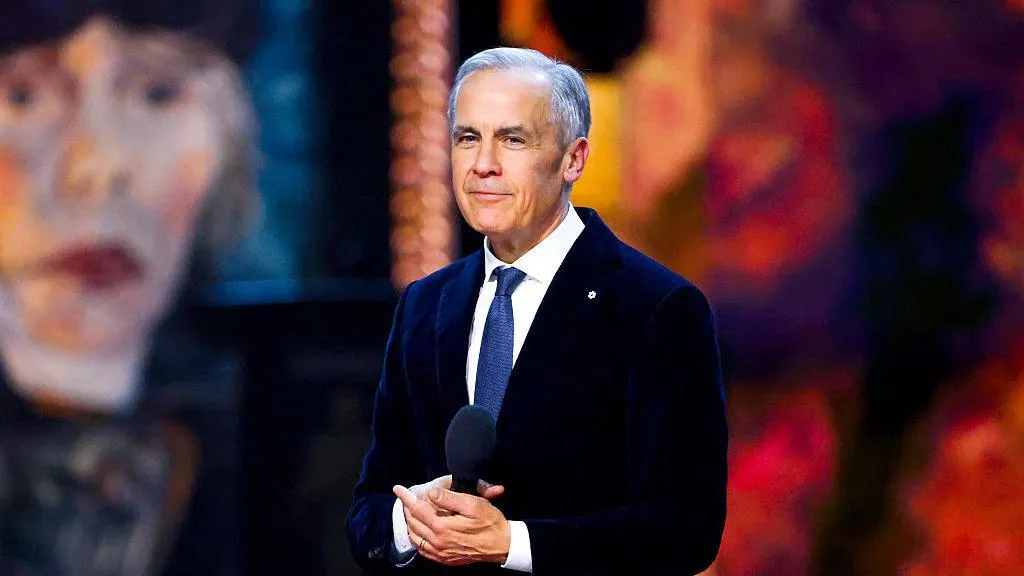
As Prime Minister Mark Carney enters his second year in office, he remains personally popular and politically strong — but analysts say the easier phase of leadership may be ending as Canadians turn their attention back to affordability, housing, and results at home.
Carney entered politics with an unusual path to power. Known internationally as a former central banker in both Canada and the United Kingdom, he had never previously held elected office before replacing Justin Trudeau as Liberal leader. Despite early questions about his lack of campaign experience, he led the Liberals to victory and later converted minority rule into a narrow majority.
His first year was defined largely by global events. Carney positioned himself as a high-profile international figure during a period shaped by trade disputes, geopolitical instability, and tensions with the United States under Donald Trump.
That international profile has helped him domestically. Many Canadians have viewed him as a credible and steady leader during uncertain times, especially amid tariffs, threats to North American trade, and rising global tensions.
But the next stage may be harder.
The issues now moving to the forefront are closer to home:
- cost of living
- housing affordability
- youth unemployment
- energy prices
- trade jobs impacted by tariffs
- pace of promised reforms
Recent polling suggests Canadians still approve of Carney personally, but many feel the government has underperformed on affordability and housing.
That shift matters because external crises can buy time, but voters usually judge governments by everyday life: rent, groceries, jobs, and taxes.
One of the biggest upcoming tests is the review of the North American trade pact, commonly known as CUSMA.
Canada continues to face sectoral tariffs on metals, autos, and lumber, and opposition critics argue progress has been too slow. If Carney can secure meaningful gains, it could reinforce his image as the right leader for a difficult era. If not, frustration may grow.
Carney has promised transformative goals, including:
- a major national housing buildout
- making Canada an energy superpower
- diversifying trade beyond the U.S.
- modern infrastructure expansion
- stronger economic resilience
Those ambitions are large, but execution is what Canadians will increasingly measure.
One major advantage for Carney is that a majority government gives him room to govern. If Parliament runs its course, voters may not return to the polls until 2029.
That means he still has time to turn popularity into policy success.
Carney’s first year was about confidence and positioning. His second year is likely to be about delivery. Canadians appear willing to give him a chance — but they now want proof that global leadership can improve life at home.