

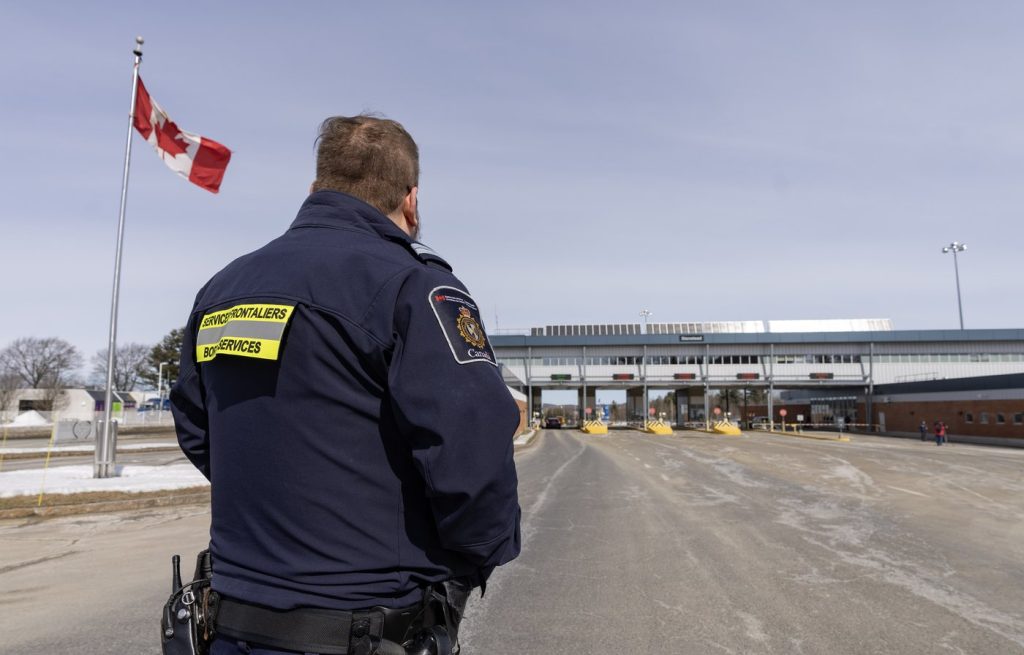
The federal Liberal government is preparing to revamp its border security legislation after facing fierce criticism from civil society groups and political opposition over its potential impact on Canadians’ privacy and rights.
Public Safety Minister Gary Anandasangaree has notified the House of Commons that new legislation on borders and immigration could be introduced as early as Wednesday, signaling a significant shift from the original bill tabled in June. That proposal would have expanded authorities’ powers to search mail, facilitated police access to personal information, and made it easier to pause or cancel immigration applications.
The government defended the original bill as a necessary tool to secure Canada’s borders, fight organized crime, curb the deadly fentanyl trade, and combat money laundering. The legislation received support from Canada’s police chiefs, the national fentanyl czar, and child protection advocates, as well as backing from law enforcement agencies who argued it would strengthen national security.
However, more than 300 civil society organizations demanded the bill’s withdrawal, warning that it posed serious threats to civil liberties, migrant and refugee rights, and the privacy of Canadians. Critics highlighted provisions that would allow police and intelligence agencies to find out whether a person has an online account with any organization or service in Canada, and to access online data, unencrypted emails, and browsing histories with a warrant based on “reasonable suspicion” rather than the current “reasonable belief” standard.
Politically, the minority Liberal government struggled to secure enough support to pass the legislation. During question period, Anandasangaree criticized the Conservatives for refusing to back the bill, calling it “a measure that was asked for by law enforcement” to keep the country safe.
The original legislation was also shaped by pressure from U.S. President Donald Trump’s administration, which had raised concerns about southbound flows of irregular migrants and fentanyl, threatening tariffs on Canadian goods in response.
With mounting backlash and shaky parliamentary support, the Carney government’s decision to retool the bill represents an effort to balance security priorities with civil liberties, setting the stage for a renewed debate when the revised legislation is tabled.