

As Canadians gear up for Super Bowl LVIII, the highly anticipated matchup between the Kansas City Chiefs and the Philadelphia Eagles, the event’s influence extends beyond the field. This year’s advertising landscape will be shaped by shifting U.S.-Canada relations, presidential optics, and evolving cultural narratives. With brands investing millions to capture consumer attention, Canadian marketers are closely watching six key Super Bowl storylines that could impact brand strategy and audience engagement.
With U.S. President Donald Trump threatening 25% tariffs on Canadian goods, a surge of economic nationalism is sweeping across Canada. Many Canadian consumers are shifting their shopping habits to favor domestic brands, and advertisers are expected to subtly acknowledge this sentiment in their Super Bowl campaigns.
Brands like Tim Hortons have already jumped on the trend, airing an ad that humorously reworks Stompin’ Tom Connors’ The Hockey Song to call football the “second-best game you can name.” The ad closes with the message:
“Sorry, not sorry. We’re proudly Canadian.”
While U.S. brands are unlikely to directly reference trade tensions, Canadian marketers will be monitoring how companies navigate cross-border economic anxieties.
From Eugene Levy’s flying eyebrows in a Little Caesars ad to Catherine O’Hara’s pickleball showdown with Willem Dafoe for Michelob Ultra, Canadian celebrities will have a strong presence in Super Bowl commercials this year. Even Shania Twain joins the action, lending her voice to a dancing tongue in Nestlé’s Coffee Mate Cold Foam ad.
Marketing analysts suggest that this reflects Canada’s deep influence on Hollywood and the entertainment industry, reinforcing the economic value Canada brings to the U.S.
For the first time in history, a sitting U.S. president will attend the Super Bowl in person. Trump’s presence will be heavily scrutinized, with political analysts closely watching:
- Who he sits with and their affiliations.
- His interactions and brand associations.
- His pre-recorded Fox News interview, which could mention Canada, tariffs, or trade relations.
For Canadian brands and policymakers, understanding Trump’s public optics and messaging at the Super Bowl is critical for future economic positioning.
Taylor Swift’s relationship with Chiefs tight end Travis Kelce was a major pop culture storyline last season. However, as Swift prepares for the international leg of her ‘Eras Tour’, marketing experts are questioning whether her Super Bowl presence will continue to drive engagement or if fans are experiencing “Swift fatigue.”
Brands must weigh whether to cater to Swift-driven casual viewers or hardcore football fans who may be tired of the narrative.
For the past few years, the NFL’s Super Bowl end zones prominently displayed the “End Racism” message. This year, the league has changed its message to “Choose Love”, aligning with Trump’s decision to eliminate diversity, equity, and inclusion (DEI) initiatives from government agencies.
While brands have historically leveraged social justice messaging during the Super Bowl, marketing experts question whether any major advertisers will step up to continue the racial justice conversation in the NFL’s absence.
While the U.S. Super Bowl broadcast will see tech giants Google, Meta, and Salesforce promoting AI-driven products, the Canadian market is expected to have a different focus—sports betting.
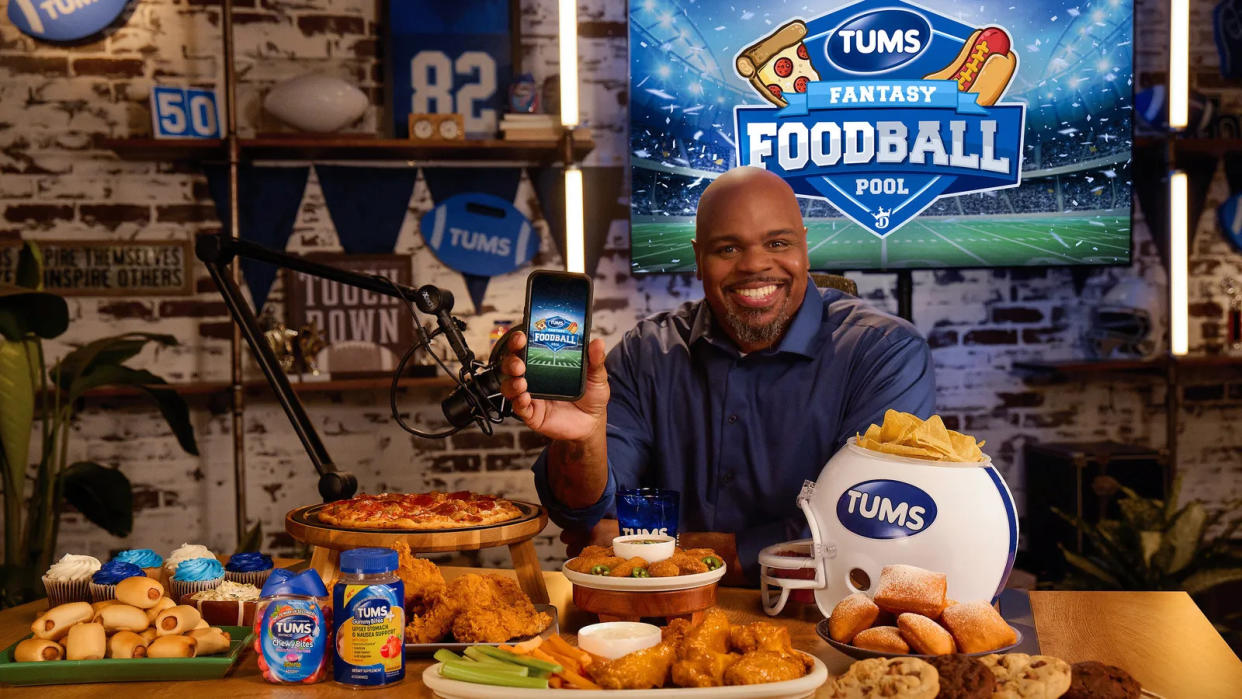
With FanDuel sponsoring Bell’s Super Bowl telecast, Canada’s ad lineup will likely emphasize gambling, fantasy football, and online betting platforms, reflecting a growing industry shift north of the border.
Super Bowl LVIII is more than just a sporting event—it’s a reflection of cultural, economic, and political shifts that directly impact Canadian businesses and marketers. Whether it’s navigating trade tensions, leveraging celebrity endorsements, or responding to evolving audience expectations, brands must carefully craft their messaging strategies to remain relevant and impactful in this rapidly changing landscape.