

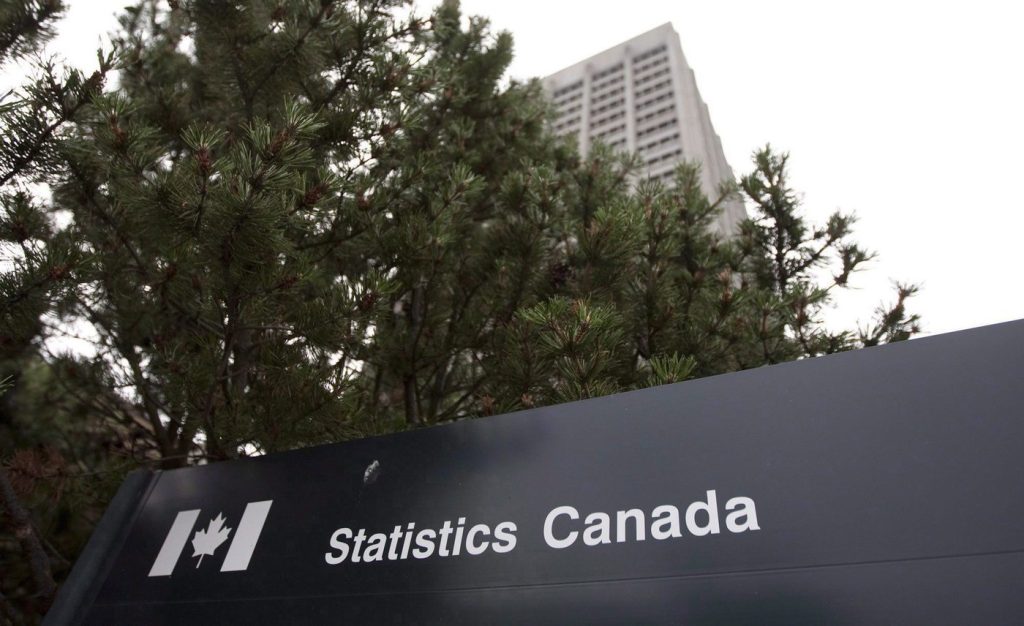
OTTAWA — Canada’s unemployment rate rose for the second consecutive month in April, reaching 6.9 per cent, as the country’s manufacturing sector began to feel the strain of new U.S. tariffs, Statistics Canada reported Friday.
While the economy added 7,400 jobs last month—exceeding economists’ expectations of 2,500—the growth wasn’t enough to keep up with Canada’s expanding population. The result: the unemployment rate increased by 0.2 percentage points, bringing it back to levels not seen since November and, before that, since early 2017, outside the pandemic years.
The most significant job losses came from the manufacturing industry, which shed 31,000 positions in April, largely concentrated in Ontario. The decline follows a wave of tariffs imposed by the United States in March, targeting Canadian exports not covered by the Canada-United States-Mexico Agreement (CUSMA), with additional levies on steel, aluminum, and autos.
Windsor, Ontario—a hub for manufacturing—was hit especially hard. The city’s jobless rate surged by 1.4 percentage points to 10.7 per cent, marking one of the steepest regional increases in the country.
Statistics Canada noted this was the first major drop in manufacturing employment since November, though overall industry employment remains relatively stable compared to the same period last year. Job losses in wholesale and retail trade also added to the decline, with 27,000 positions lost in April.
However, some of the losses were offset by a gain of 37,000 jobs in public administration, a temporary spike tied to April’s federal election. Meanwhile, average hourly wages rose by 3.4 per cent year-over-year in April, slightly down from 3.6 per cent in March.
Despite rising unemployment and growing uncertainty from the U.S. trade dispute, most Canadian workers reported feeling confident in their job security. According to StatCan, 73.9 per cent of workers aged 15 to 69 said they did not believe they would lose their job in the next six months. That confidence, however, was lower in export-dependent industries most vulnerable to the ongoing tariff battle with Washington.
With trade tensions mounting and the economy showing signs of strain, attention now turns to how long Canadians can maintain confidence in a labour market that’s becoming more uneven across regions and sectors.