

Canada is witnessing one of its biggest national unity debates in decades after Danielle Smith announced that Alberta will hold a public vote on October 19 to determine whether the province should remain part of Canada or begin the process toward a future binding referendum on separation.
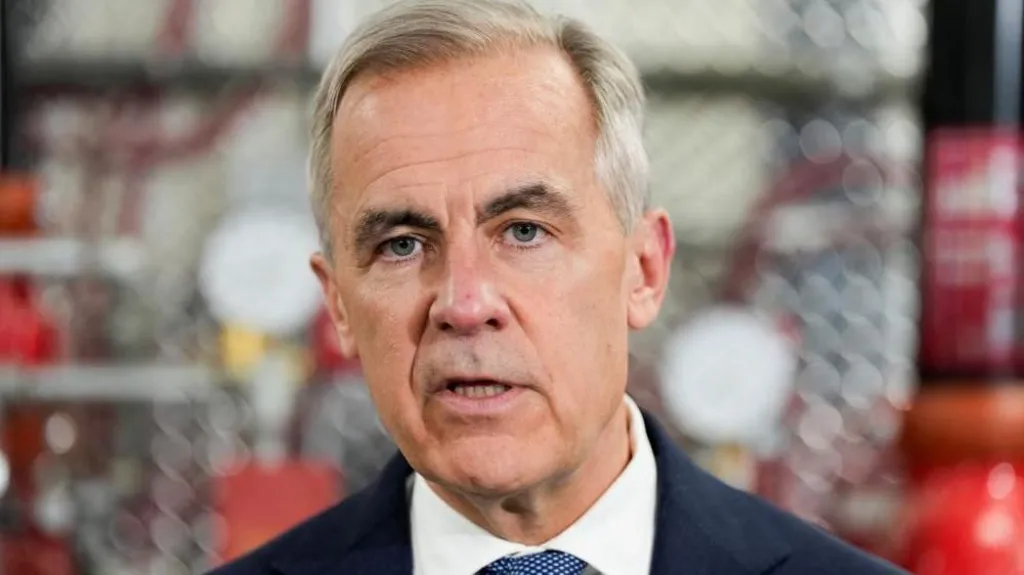
The announcement has triggered political shockwaves across the country, prompting Prime Minister Mark Carney to publicly reaffirm Alberta’s importance to the nation. Speaking in Ottawa, Carney described Alberta as an “essential” part of Canada and praised the province’s enormous economic and national contributions, while emphasizing that the federal government is working to strengthen the country as a whole.
The referendum debate comes amid rising frustration in Alberta, where many residents feel the oil-rich province has long been ignored by federal decision-makers in Ottawa. The separatist movement has steadily grown in recent years, fuelled by disputes over energy policy, federal regulations, equalization payments, and broader regional tensions between Western Canada and the federal government.
Although recent polls suggest a majority of Albertans still support remaining in Canada, a sizeable minority continues to push for independence. Pressure had been mounting on Premier Smith after a separation petition reportedly gathered enough signatures to trigger a vote. However, a court ruling earlier this month temporarily halted the verification process after several First Nations groups argued the provincial government failed to properly consult Indigenous communities.
Despite the legal setback, Smith said she will move ahead with a province-wide vote, arguing that Albertans deserve the opportunity to express their views directly. At the same time, she stated that she personally supports Alberta remaining within Canada and plans to campaign for national unity throughout the summer.
The decision has drawn criticism from multiple sides. Indigenous leaders accused the provincial government of undermining democratic and consultation processes, while opposition leader Naheed Nenshi called the referendum unnecessary and politically motivated. Even some separatist organizers expressed frustration that the October vote stops short of an immediate binding independence referendum.
The unfolding debate is reviving memories of past Canadian unity crises, including Quebec’s historic separation referendums. Political observers say the Alberta vote could become one of the defining national issues of the year, with implications for federal-provincial relations, Indigenous rights, energy policy, and Canada’s long-term political future.