

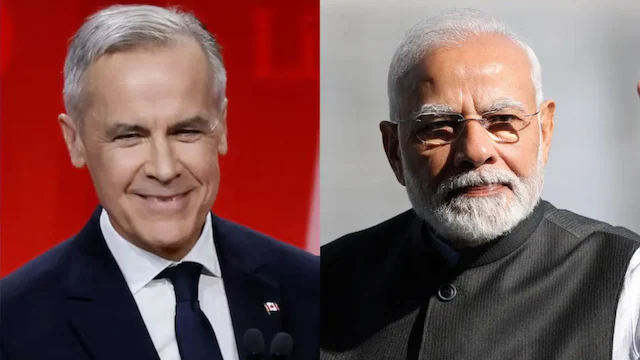
Canada and India are working to reset their strained diplomatic relationship through a new agreement focused on sharing intelligence related to terrorism and transnational crime. The structured framework, still in development, aims to formalize cooperation between law enforcement agencies on issues such as organized crime, extremist threats, and extra-judicial killings.
The deal is expected to be announced during the upcoming G7 summit in Alberta, where Indian Prime Minister Narendra Modi is scheduled to meet with Canadian Prime Minister Mark Carney. This would mark their first official bilateral engagement since the 2023 diplomatic fallout triggered by Canada’s allegations of Indian involvement in the killing of a Sikh separatist in British Columbia—claims India has consistently denied.
Despite the diplomatic freeze, security officials on both sides have quietly maintained contact, exchanging intelligence when needed. The new agreement is seen as a step toward restoring broader institutional ties.
Canada’s invitation to Modi and recent gestures of outreach reflect the Carney government’s shift in foreign policy, aiming to rebuild relations with key global partners including India, China, and Saudi Arabia. With trade tensions rising due to U.S. tariffs, both Canada and India appear motivated to strengthen bilateral security and economic cooperation.
However, the move has sparked criticism from human rights advocates and the World Sikh Organization of Canada, which opposes Modi’s participation in the G7 summit over India’s domestic record.
Still, the proposed intelligence-sharing deal may serve as a turning point, laying groundwork for a more stable and collaborative Canada-India partnership going forward.