

The City of Brampton has officially begun developing its first Invasive Species Management Strategy (ISMS), marking a significant milestone in its efforts to protect local ecosystems, biodiversity, and green infrastructure. The strategy will outline how Brampton will prevent, detect, manage, and monitor invasive species that pose a threat to the environment and residents’ quality of life.
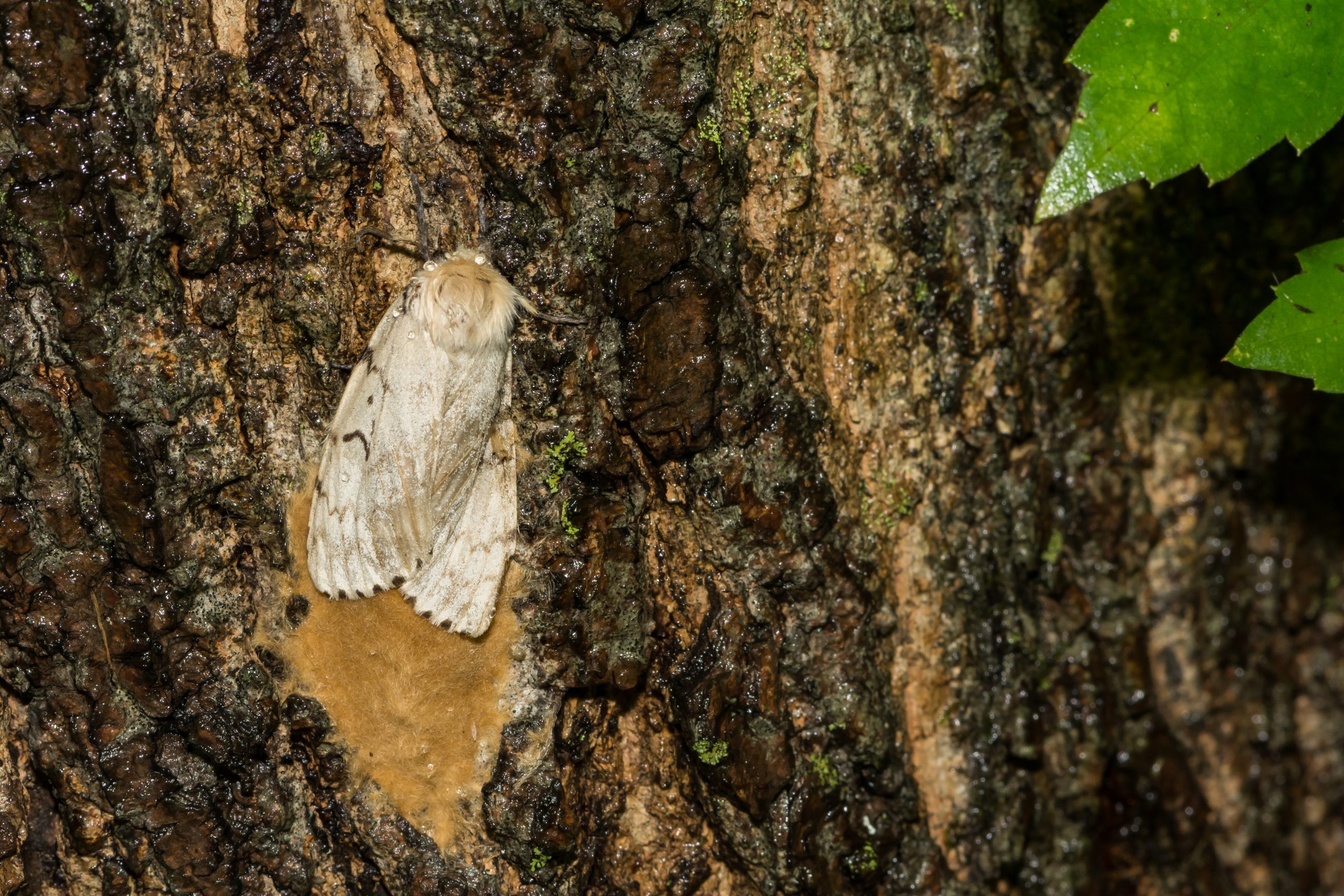
Invasive species—non-native plants, animals, or pests—spread aggressively, often overtaking habitats, outcompeting native species, and disrupting fragile ecosystems. In Brampton, threats like the Common Buckthorn and Spongy Moth have already been identified as serious risks to urban forests and natural green spaces.
To ensure the strategy reflects the needs and concerns of the community, the City has launched a public survey, inviting residents, community groups, and stakeholders to share their insights. The input will help shape key priorities and guide decision-making as the strategy evolves. A draft ISMS will be released in 2026 for further public feedback before the plan is finalized.
This initiative stems from Brampton’s Grow Green Environmental Master Plan, which lays out a citywide vision for sustainability and climate resilience. The ISMS supports the plan’s broader goals of protecting natural heritage and enhancing urban biodiversity.
Currently, Canada regulates 254 invasive species at the federal level, with Ontario identifying 42 priority species. In Brampton, managing these threats is essential to preserving green infrastructure that helps clean the air, manage stormwater, and provide habitats for wildlife.
Mayor Patrick Brown emphasized the urgency of the effort, saying, “Invasive species are one of the most pressing threats to our environment, and their impact is already being felt across our city. Brampton’s Invasive Species Management Strategy is a bold and necessary step to protect our green spaces, biodiversity and quality of life. I encourage all residents to share their voice and help shape a greener, healthier Brampton for future generations.”
Regional Councillor Rowena Santos added, “This strategy is more than a plan, it is a city-wide call to action. By preserving our urban forests and natural ecosystems, we are investing in climate resilience, public health and future livability.”
The public can complete the survey until August 29, 2025, and will be entered into a draw to win a gift card for their participation. More details can be found at brampton.ca/growgreen.