

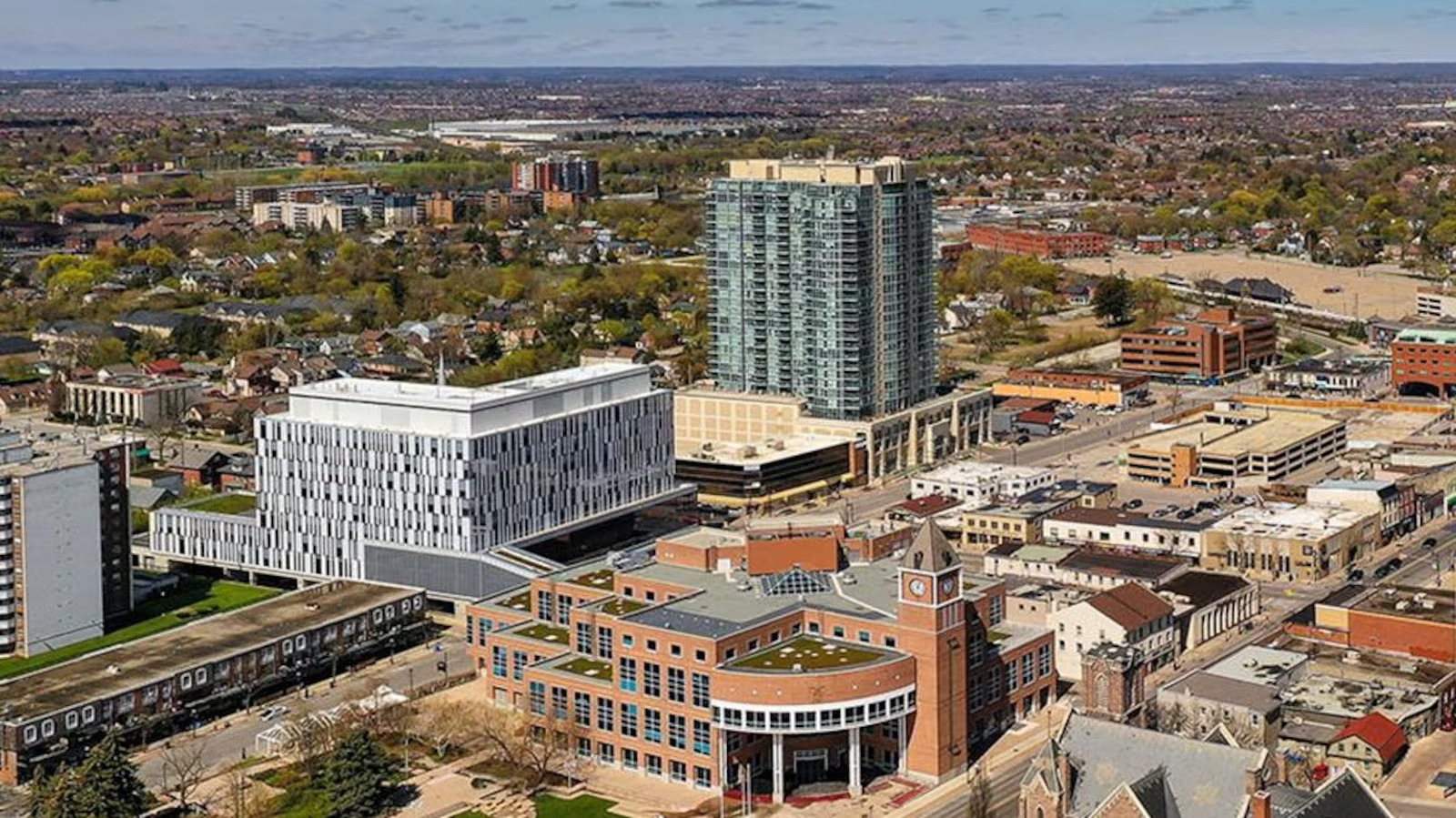
Brampton has officially surpassed Mississauga to become the third-largest city in Ontario, according to newly released Statistics Canada census data.
The city’s population now stands at 791,486, a remarkable 15% increase from its 2020 figure of 688,154. This rapid growth places Brampton ahead of Mississauga, which has a population of 780,747.
“Brampton is growing faster than ever before. In fact, it’s the fastest-growing big city in the entire country, and that’s why we need to build,” Premier Doug Ford said during a news conference in Brampton on Friday, referencing the province’s transit plans, including the underground tunnel connecting Mississauga and Brampton.
Brampton’s population growth of approximately 100,000 people in just four years highlights its status as a destination of choice. The city now trails only Toronto (3.27 million) and Ottawa (1.15 million) in population among Ontario cities.
From 2016 to 2021, Brampton experienced a 10.6% population increase, making it the fastest-growing city among Canada’s 25 most populous municipalities. In contrast, Mississauga saw its population decline during parts of the same period, before rebounding slightly last year.
Brampton Mayor Patrick Brown acknowledged both the opportunities and challenges brought on by this growth. “We’re certainly a destination of choice, but it brings challenges to keep up with health care demands, public safety, recreation, and transit services,” “There’s something about Brampton that residents love.”
Brampton’s population surge has reignited calls for fairer per capita funding for major projects, including health care, infrastructure, and transit.

“For so long, Brampton has been chronically underfunded,” said Councillor Rowena Santos during a special city council meeting on Monday. “We now have a higher population than Hamilton, Vaughan, and Mississauga, and even more people than Vancouver.”
StatCan data indicates that Brampton’s population exceeds Vancouver’s by roughly 35,000 people. However, Santos highlighted discrepancies in regional representation, noting that Brampton has only nine seats on Peel Region Council compared to Mississauga’s 12, despite its larger population.
Councillor Gurpartap Singh Toor echoed the concern, emphasizing that Brampton is still being funded based on outdated population figures of 650,000. “We know the census says we’re 791,000, but our actual numbers are likely even higher,” Toor said.
While Brampton’s economic development shows no signs of slowing, Mayor Brown cautioned that federal immigration caps could impact future population growth. “Economic growth will probably not diminish, but immigration growth is certainly going to slow based on the new targets,” Brown said.
As Brampton continues to expand, its leadership remains focused on securing the funding and representation needed to meet the demands of its thriving population.