

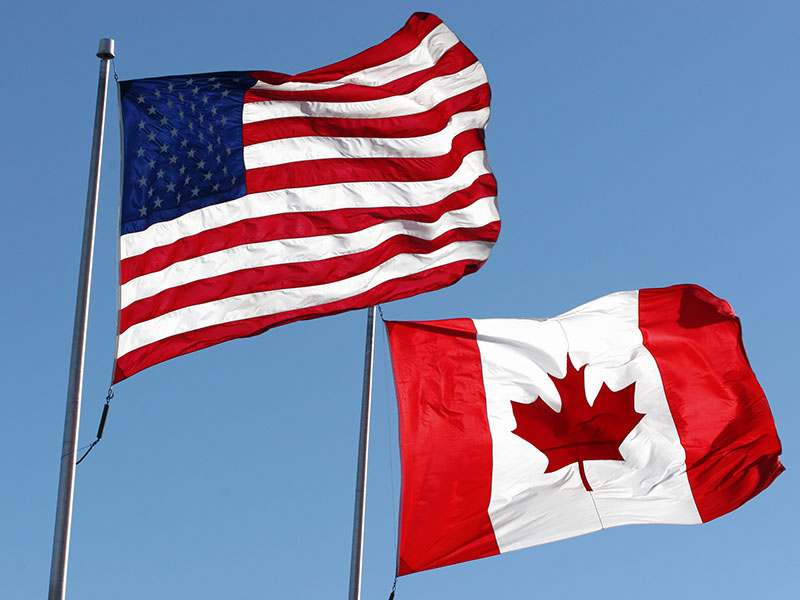
For over 90 years, the International Peace Garden, straddling the Canada-U.S. border, has stood as a serene symbol of friendship and cooperation between the two nations. Visitors have long wandered through its lush flower beds and reflective displays without giving much thought to the invisible border that weaves through Manitoba and North Dakota.
But with U.S. President Donald Trump threatening new tariffs against Canada—and even making provocative remarks about turning the country into America’s 51st state—some Canadians are rethinking their travel plans.
Tim Chapman, CEO of the Peace Garden, has received a wave of emails from Canadians expressing their dismay at the political rhetoric from south of the border.
“I have received strong emails from individuals in our local communities and cannot fault them for feeling the way they do,” Chapman wrote in a recent message to supporters.
Despite the growing unease, Chapman emphasized that the Peace Garden remains a non-political sanctuary, honoring the people of both countries rather than their governments.
“We really don’t have any control over the political rhetoric that is obviously causing some feelings, but we can continue … to serve as an example of what friendly neighbors are,” he said.
The garden, which welcomes approximately 35,000 visitors annually, is funded through admission fees, private donations, and contributions from state and provincial governments, including Parks Canada. The site also holds historical significance, featuring a display with damaged girders from the World Trade Center as a tribute to Canada’s support following the 9/11 attacks.
Unlike standard border crossings, the Peace Garden allows visitors to explore freely without passport checks until they leave, at which point they must report back to their home customs office. However, some worry that declining cross-border travel could impact the garden’s visitor numbers.
Judy Swanson, mayor of Boissevain-Morton, a community near the border, expects fewer Canadians will make the trip this year.
“If you’re not going across the line, what is the chance of going to the Peace Garden?” Swanson questioned. “Usually you go there, you tour the garden, and then you go across the border, either north or south.”
Despite the concerns, Chapman remains hopeful. Since addressing supporters, he has received messages from individuals who view the garden as more important than ever.
“In one email that an individual sent … she just detailed that the garden is more important than ever — a place without borders where, for a few hours, life is as it’s supposed to be: free.”
With trade tensions simmering, the International Peace Garden now finds itself at the crossroads of political uncertainty, serving as a quiet reminder of the deep-rooted relationship between Canada and the United States—even in turbulent times.