

A massive long-term transformation of Toronto’s waterfront is now taking shape as plans to modernize and expand Billy Bishop Toronto City Airport could take up to 25 years to complete and cost as much as $5 billion, according to the head of the agency overseeing the project.
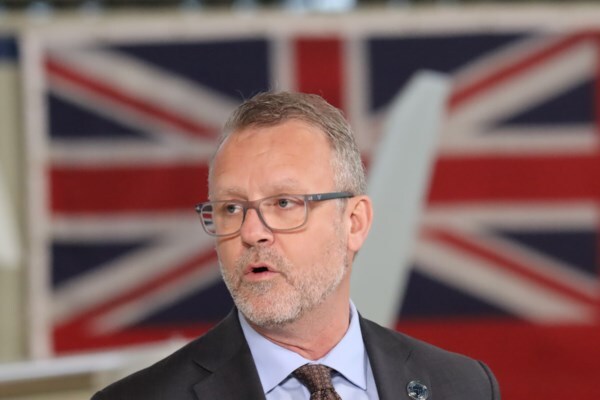
Appearing before a committee at Queen’s Park, Roelof-Jan Steenstra said the ambitious redevelopment of the airport would unfold gradually over several decades and is intended to meet the region’s growing transportation and economic needs.
Steenstra emphasized that the project is not expected to rely primarily on taxpayer dollars. While he acknowledged that some federal participation could eventually be considered, he confirmed that no formal request for funding has yet been made to Ottawa.
The expansion proposal has gained strong support from Doug Ford, who has described the airport project as a major economic opportunity for the province. Ford has even floated the possibility of public investment and recently indicated that the province may designate the airport as a “special economic zone.” Such a designation could exempt the project from several environmental assessments and municipal planning regulations in an effort to fast-track construction and approvals.
The federal government, led by Mark Carney, has remained cautious in publicly endorsing the full expansion proposal. However, Ford has repeatedly stated that discussions with Ottawa have been positive and that both governments appear aligned on moving the project forward.
One of the key elements under consideration is a major runway expansion. The Toronto Port Authority is reportedly exploring plans to extend the airport runway from its current 1,432 metres to approximately 2,100 metres, including additional runway safety areas. Most of the extension would reportedly take place on the western side of the airport to reduce impacts on Toronto’s inner harbour and nearby waterfront housing developments.
Steenstra told the committee that the public can expect to see a more detailed and comprehensive airport modernization proposal within the next six to twelve months. He added that public consultations, stakeholder engagement, and discussions with the City of Toronto would all be part of the planning process once the proposal is finalized.
The proposed airport redesign has already sparked debate over its potential impact on Toronto’s waterfront communities, including the large-scale Ookwemin Minising housing development project in the Port Lands area.
City planners are currently studying how larger aircraft and expanded airport operations could affect future residential growth, public spaces, and waterfront accessibility. Revised development plans for the Port Lands already include shorter buildings near the airport flight path to accommodate aircraft operations while still attempting to increase overall housing density.
Airport officials insist that public waterfront access and green spaces will be protected. Steenstra stated that if airport modernization requires additional city land, the Toronto Port Authority would work with the city to convert other airport-owned lands, such as parking areas, into new waterfront parkland accessible to the public.
Still, Toronto planning officials remain cautious. Without a finalized airport blueprint, city staff warn that current waterfront development plans may need substantial revisions in the future.
The proposed expansion of Billy Bishop Airport is increasingly shaping up to be one of the most significant infrastructure and urban planning debates in Toronto’s modern history — one that could dramatically influence transportation, housing, waterfront development, and the city skyline for generations to come.