

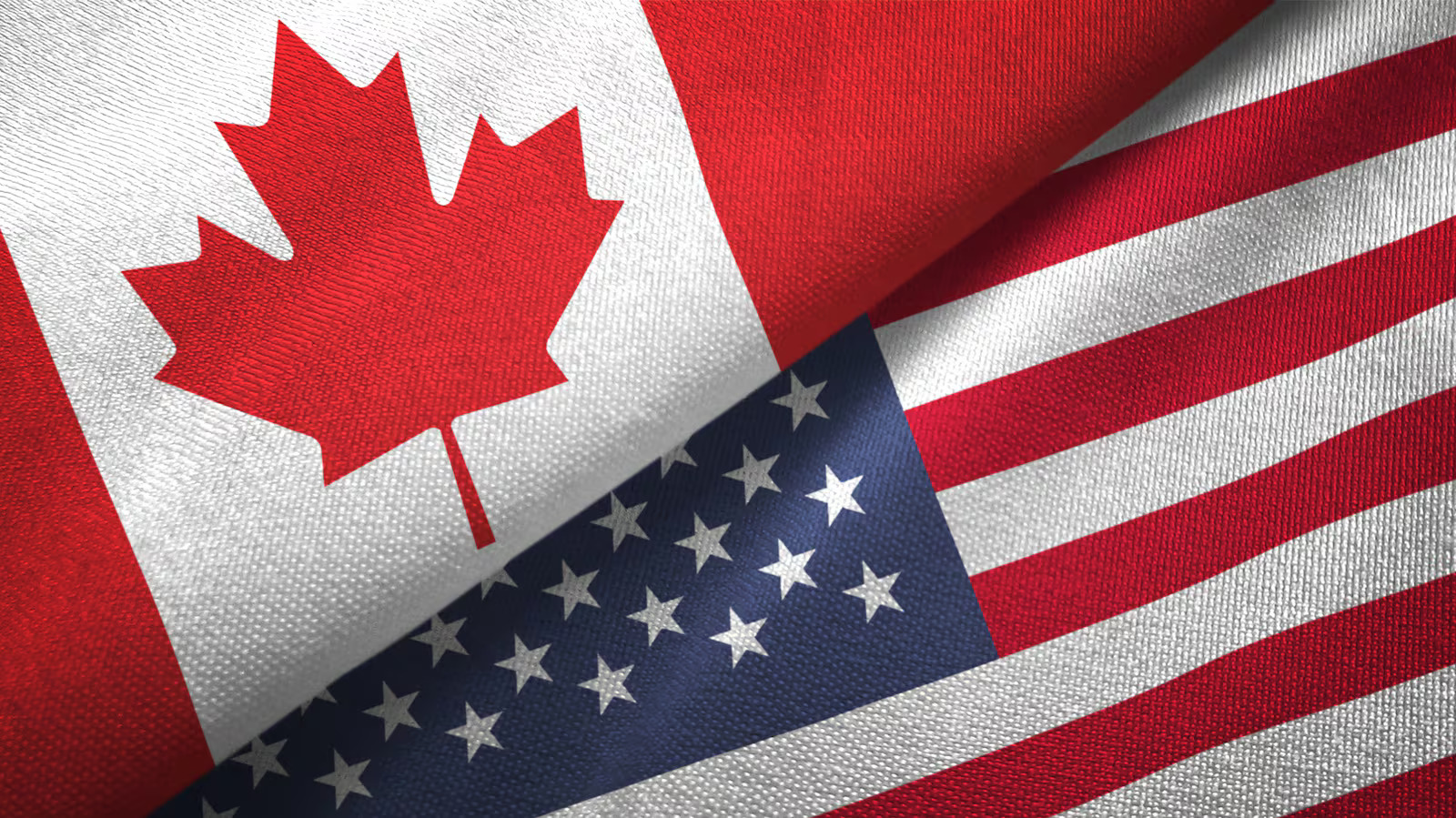
The Government of Canada has formally requested the World Trade Organization (WTO) to intervene in a trade dispute with the United States over new import duties on Canadian steel and aluminum imposed by former President Donald Trump. However, trade experts warn that this move is largely symbolic and unlikely to result in a meaningful resolution.
On March 12, 2025, the U.S. administration imposed tariffs on Canadian steel and aluminum, citing national security concerns. In response, Canada swiftly retaliated by imposing nearly $30 billion in counter-tariffs on American goods the following day.
Observers note that these tariffs appear to violate the Canada-U.S.-Mexico Agreement (CUSMA), the free trade deal signed during Trump’s first term. With potential additional reciprocal tariffs expected in April, economic tensions between Canada and the U.S. continue to escalate.
Canada’s WTO dispute consultation request, circulated last week, aims to challenge the legitimacy of U.S. protectionist policies. However, trade law experts, including Daniel Drache, professor emeritus at York University, argue that the WTO’s dispute settlement process is currently dysfunctional.
“The WTO’s appellate system has been paralyzed since 2020, when the Trump administration blocked the appointment of new judges,” said Drache. “Without appellate judges, the WTO cannot deliver legally binding decisions.”
Given that the WTO lacks functioning judicial oversight, Drache suggests that Canada’s move is largely symbolic. The case could take up to two years before a first-phase ruling, by which time the tariffs may already have had lasting economic consequences.
“Trump has taken a wrecking ball to the WTO,” Drache added. “Without judges, the WTO is an empty vessel—it simply cannot enforce trade rules.”
With WTO intervention unlikely to yield results, experts suggest Canada may need to take stronger retaliatory actions to pressure the U.S. government.
Possible countermeasures could include:
- Export taxes on potash, which is crucial for U.S. agricultural production.
- Restrictions on energy exports, as 97% of Canada’s crude oil exports (worth $124 billion in 2023) go to the U.S.
- Targeted tariffs on key American industries to impact U.S. consumers and businesses.
“Unless Canada is able to inflict economic pain on American industries, Trump will not back off,” warned Drache.
The dispute over steel and aluminum tariffs is just the beginning of a renewed trade battle. As tensions rise, Canadian industries may face further economic uncertainty while awaiting a resolution through diplomatic or retaliatory trade measures.