

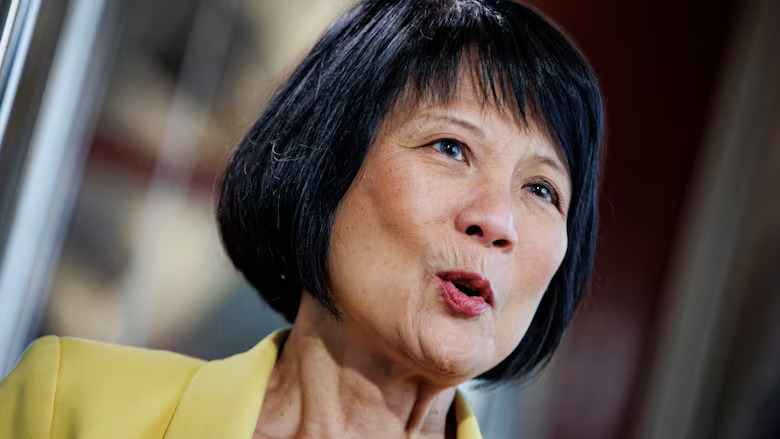
Mayor Chow Prioritizes Investments in Housing, Transit, and Public Services
Toronto City Council is expected to pass Mayor Olivia Chow’s 2025 budget today, which includes a 6.9% property tax increase, aimed at strengthening public transit, affordable housing, and essential services. The proposed $18.8-billion operating budget seeks to address the city’s growing financial and infrastructure challenges while maintaining key public programs.
Faced with a $1.2-billion budget shortfall, the city has worked to balance finances through a mix of revenue increases and spending efficiencies. The budget allocates increased funding for:
- Public transit: More investment in the TTC, along with a fare freeze for riders.
- Housing initiatives: Expanding affordable housing programs to meet growing demand.
- Toronto Police Services: A $46.2-million increase in funding.
- Libraries and community programs: Support for vital public spaces and social services.
- School nutrition programs: Expanded funding to feed more children in Toronto schools.
“The choice is clear,” said Mayor Olivia Chow. “We need to invest in children, feed more kids, build more housing, and improve the TTC.”
While the budget is likely to pass, some councillors and residents have pushed back against the property tax increase.
Coun. Vincent Crisanti supports school nutrition funding but suggests exploring budget cuts in other areas to reduce the tax burden. Meanwhile, Coun. Brad Bradford has proposed a 25% tax reduction for small and industrial businesses to offset the impact of potential U.S. tariffs. He suggests using reserve funds to cover the cost—a move Chow strongly opposes.
“I do not believe it is responsible to raid rainy day reserve funds,” Chow stated. “Once that money is gone, what do we do next year?”
Despite the increased spending, some advocacy groups argue the budget falls short in critical areas. The Toronto Youth Cabinet is calling for additional funding for youth programs, employment initiatives, and violence prevention. Others have questioned the increase in police funding, urging a reallocation to social and community services instead.
Unlike last year’s contentious budget debates, this year’s process has been relatively smooth. Experts suggest this reflects broad public and political support for Chow’s priorities.
“Additional municipal revenues are being directed to very tangible needs,” said Myer Siemiatycki, professor emeritus of politics at Toronto Metropolitan University.
Although councillors can propose amendments, Chow’s strong mayor powers allow her to veto changes, requiring a two-thirds majority to override. However, Chow has previously stated she will not use these powers to override a majority council vote.
Former city councillor Joe Mihevc predicts an easy approval process. “The votes will be there. Some councillors may suggest small tweaks, but this budget is effectively set.”
One remaining debate will focus on how to allocate the $3 million set aside for councillor priorities.
The final budget vote takes place today, setting Toronto’s financial direction for the year ahead. If passed, the new budget will come into effect immediately, impacting property owners, businesses, and city services across Toronto