

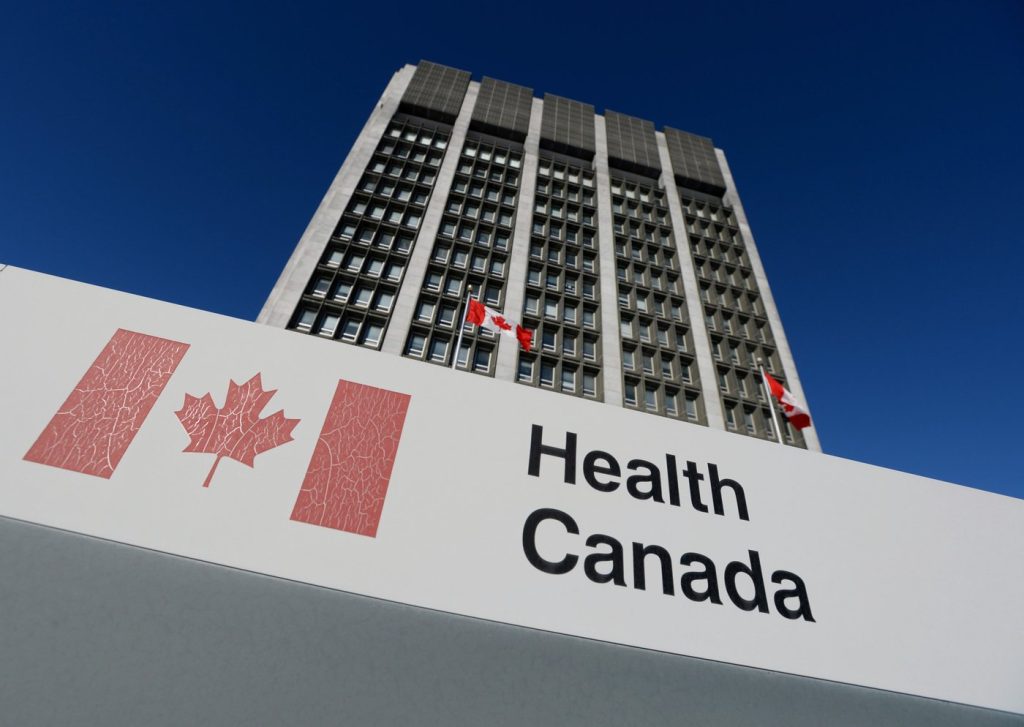
Health Canada has confirmed the arrival of additional rabies vaccine doses, which are expected to be distributed across the country by the end of January. The announcement comes as Ontario, particularly Toronto, faces a critical shortage, leading to rationing of doses to high-risk individuals.
The scarcity of vaccines is attributed to a surge in demand following the tragic death of an Ontario child last fall. The child contracted rabies after contact with a bat, marking the first domestically acquired case in the province since 1967. The incident has heightened public awareness and increased vaccine inquiries, officials report.
The two rabies vaccines approved in Canada—RabAvert and Imovax Rabies—have both encountered supply challenges. RabAvert, produced by Bavarian Nordic, cited a rise in demand as the primary cause, while Imovax, manufactured by Sanofi Pasteur, has experienced packaging delays at its French facility.
In Toronto, public health officials have implemented strict rationing guidelines, prioritizing vaccines for individuals with high-risk exposures, such as direct contact with bats or wild animals. Last Friday, healthcare providers were advised to conserve existing doses until further supplies arrive.
Ontario’s Ministry of Health is collaborating with federal partners to secure additional vaccines, while most other provinces report sufficient supply. A spokesperson for Health Canada stated that newly received doses of Imovax are undergoing standard safety and quality checks before being distributed. The shortage of RabAvert is projected to end by February 14.
Karinne Lacombe, Bavarian Nordic’s director in Canada, acknowledged the heightened public concern: “More people who are understandably worried about rabies, even without exposure, are seeking vaccines after last year’s tragic incident.”
Rabies is a rare viral infection of the central nervous system, typically transmitted through animal bites or scratches. The disease is preventable through pre- and post-exposure vaccination but is nearly always fatal once symptoms, such as confusion, seizures, and breathing difficulties, develop.
Public health experts continue to encourage individuals who have potentially been exposed to rabies to seek immediate medical attention, regardless of visible bites or scratches.
Toronto Public Health has indicated that its eligibility criteria for vaccine access will remain in place until the shortage is resolved.