

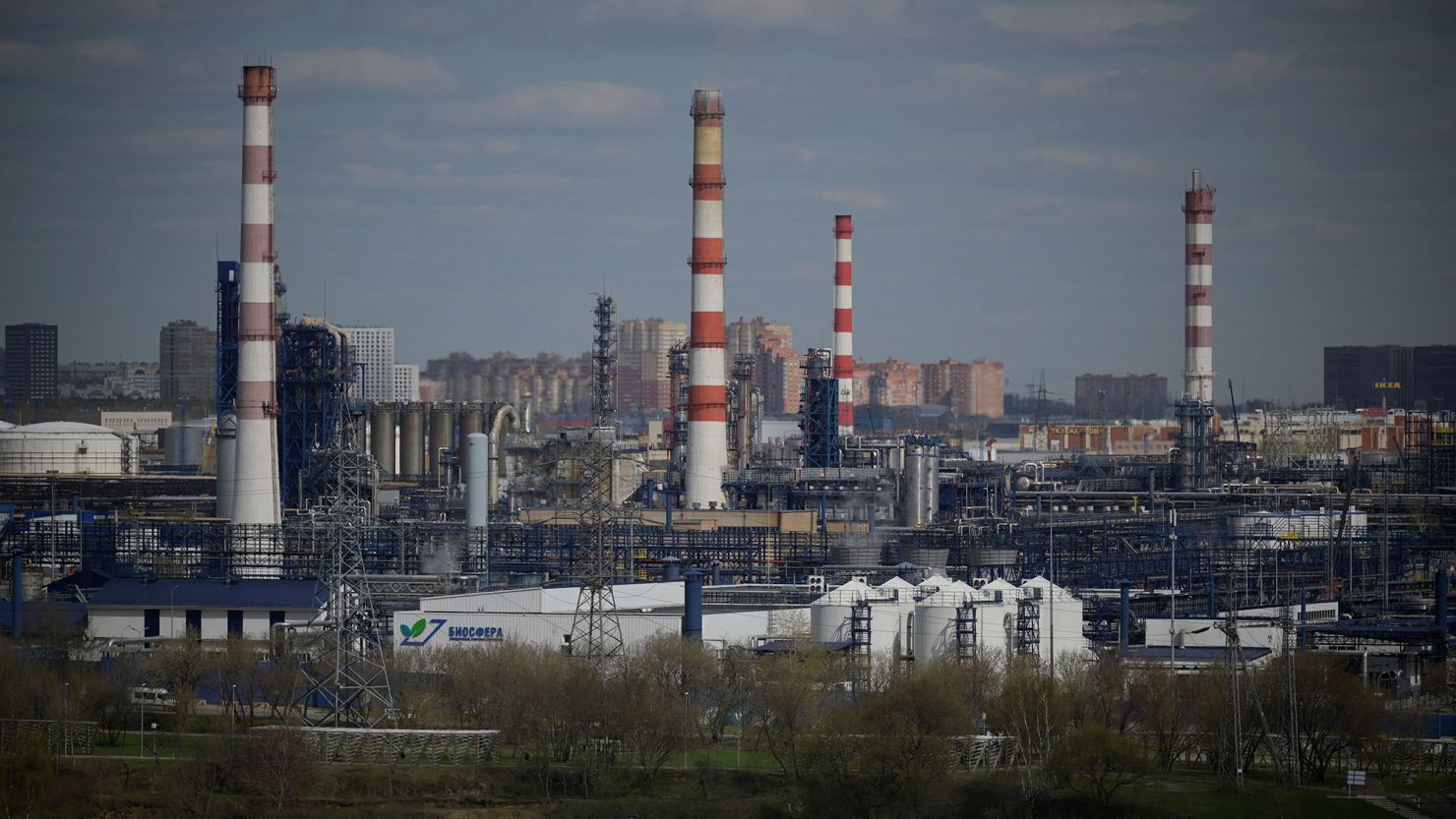
Biden’s $500M Ukraine Aid Package Accompanied by Fresh Sanctions on Russia
The United States has announced its most stringent sanctions to date on Russia’s energy sector, aiming to curtail revenue that funds the war in Ukraine. This latest move by the Biden administration introduces significant restrictions on Russia’s oil trade, potentially impacting sales to major buyers like India and China.
Broad Scope of Sanctions
The sanctions, coordinated with US allies Japan and Britain, target over 200 individuals and entities involved in Russia’s oil trade, including traders, insurance firms, and oil tanker operators. Two key Russian oil companies, Gazprom Neft and Surgutneftegas, along with their subsidiaries, have been added to the US Treasury Department’s sanctions list. This follows President Joe Biden’s announcement of an additional $500 million in military aid for Ukraine.
“We are exacerbating sanctions risks associated with Russia’s oil trade, including shipping and financing in support of Russia’s oil exports,” the US Treasury Department stated.
Russia, a significant exporter of crude oil, sold 107 million tons of oil to China in 2023. Both China and India have emerged as major buyers of Russian oil, often conducting transactions in non-dollar currencies to bypass Western sanctions. India, the largest importer of Russian crude oil, has relied on payments in rupees and other currencies to continue its purchases.
Despite the new sanctions, experts believe that countries like China, India, Turkey, and Brazil may continue to buy Russian oil, leveraging alternative payment systems to sidestep restrictions. The sanctions’ effectiveness will hinge on enforcement and compliance measures across global markets.
If implemented effectively, the sanctions could significantly reduce Russia’s revenues and increase its operational costs by billions of dollars each month. The overarching goal is to strain Russia’s economy, limiting its ability to sustain military operations in Ukraine.
The sanctions add another layer of complexity to global oil markets, with observers closely monitoring their impact on Russia’s key buyers. Transactions in local currencies, such as the Chinese yuan and Indian rupee, have thus far diluted the effect of previous sanctions. Experts are watching to see if the new measures will substantially disrupt Russia’s trade relationships or merely push them further into
While the sanctions signal a strong stance by the US and its allies, their long-term impact on Russia’s oil revenues and geopolitical alliances remains to be seen. The situation highlights the challenges of enforcing economic measures in an interconnected global market where key players are willing to defy conventional norms.